Understanding Fascia in EDS and HSD
What is EDS/HSD?
Ehlers–Danlos Syndromes (EDS) and Hypermobility Spectrum Disorders (HSD) are inherited conditions that affect the body’s connective tissues. People with these conditions often have very flexible joints, stretchy skin, and fragile tissues. They may also experience widespread pain, joint instability, fatigue, and other symptoms like digestive issues or dizziness.
Why Fascia Matters in EDS/HSD
Tina Wang, Antonio Stecco, Alan Hakim and Robert Schleip review synthesizes evidence to propose a fascia-centered framework for understanding EDS and HSD.
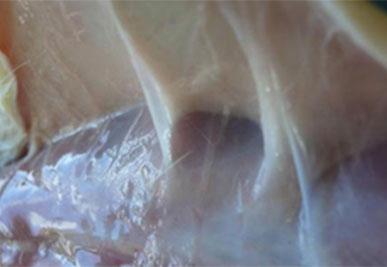
Fascia is the body’s connective tissue web. It wraps around muscles, joints, nerves, and organs, helping them move smoothly and stay in place. In EDS/HSD, fascia doesn’t function properly—this is a key part of what causes symptoms.
How Fascia is Affected
- Weak and disorganized fascia: In EDS/HSD, fascia is often soft and fragile. Its collagen structure is irregular, which reduces its ability to support tissues and joints.
- Sticky and thickened fascia: Over time, fascia may become thick and sticky, limiting movement, causing pain, and irritating nerves.
- Too many active myofibroblasts: These are special cells that contract fascia to help it heal. In EDS/HSD, they stay active too long, causing constant tissue tension and contributing to stiffness, pain, and inflammation.
- Altered proprioception: Fascia helps us sense movement and body position. When it’s not functioning well, people may feel clumsy, uncoordinated, or have poor balance.
- Immune and stress involvement: Immune cells in fascia, especially mast cells, can worsen inflammation and pain. Stress hormones can also affect fascia, making symptoms worse.
Ehlers–Danlos Syndrome (EDS) and Hypermobility Spectrum Disorders (HSD) are more than joint and skin conditions—they are multisystem disorders linked by dysfunction in the fascia, the connective tissue network that supports the whole body.
Key Concepts:
-
Fascia as a Unifying Factor
Fascia is not just structural—it plays roles in movement, nerve signaling, immunity, and tissue repair. In EDS/HSD, fascial tissues are fragile, overly elastic, and prone to inflammation and dysfunction. -
Fibroblast-to-Myofibroblast Shift
Normally, fibroblasts help maintain fascia. In EDS/HSD, these cells are permanently activated, turning into myofibroblasts that create excessive tension and alter the tissue environment, leading to chronic pain, stiffness, and instability. -
ECM Breakdown
The extracellular matrix (ECM)—a scaffold of proteins like collagen and elastin—is disorganized in EDS/HSD. This weakens the structure of fascia and affects its communication with cells. -
Immune and Nerve Involvement
Fascia is rich in immune cells and nerves. In EDS/HSD, mast cells, cytokines (like TGF-β), and immune dysregulation drive ongoing inflammation and pain sensitivity. These processes also contribute to fatigue, gut issues, and autonomic symptoms (e.g., dizziness). -
Mechanical and Emotional Stress Amplify Dysfunction
Both physical strain and psychological stress can trigger a loop of inflammation and fascia remodeling, worsening symptoms. -
Structural Changes in Fascia and Tendons
Imaging shows changes in deep and superficial fascia—thickening, loss of glide, and altered stiffness—causing joint instability, proprioceptive deficits, and pain. Tendons are overly elastic and prone to injury, making strength training both essential and tricky. -
Overlap with Other Conditions
Fascia involvement helps explain overlaps with lipedema, fibromyalgia, and autoimmune diseases, though these have distinct mechanisms. -
Disease Progression with Age
As people age, fascia can become denser and stiffer, even if joint hypermobility lessens. This shift explains why pain and fatigue often worsen over time.
Fascia Dysfunction in EDS/HSD: From Skin to Tendons
In people with Ehlers–Danlos Syndrome (EDS) and Hypermobility Spectrum Disorders (HSD), the fascia—from surface layers to deep connective tissues—is structurally and functionally altered, leading to many of the hallmark symptoms: pain, instability, fatigue, and poor motor control.
1. Deep Fascia Changes
- The deep fascia becomes abnormally thick, sticky, and less able to glide.
- This is due to excess myofibroblast activity, inflammation, and abnormal extracellular matrix (ECM) buildup.
- Reduced fascial glide affects movement coordination and increases pain by irritating nerves and altering proprioception.
- Pelvic and spinal fascia changes can weaken core stability, contributing to issues like poor posture, back pain, and Trendelenburg gait.
2. Mechanical Stress and Fascia
- Repeated physical strain triggers fibroblasts to overproduce stiffening tissue, a process called stress shielding.
- This compensatory thickening reduces muscle use, leading to weakness and sarcopenia, worsening joint control.
- Impaired force transmission through fascia leads to joint overload, enthesopathies (pain at tendon insertions), and instability.
3. Superficial Fascia and Fat Disorders
- People with hEDS often have co-occurring fat disorders like lipedema or Dercum disease, which involve thickened superficial fascia.
- These conditions show signs of low-grade immune inflammation, involving M2 macrophages that affect fascia structure.
- The link between immune dysfunction and fascial thickening suggests a systemic, not just local, process.
4. Tendon Involvement
- Tendons are too stretchy in EDS/HSD, reducing joint stability and muscle efficiency.
- This leads to issues like patellar hypermobility, subluxation, and chronic strain.
- Too much or too little tendon loading can damage tendon structure, making resistance training essential but dose-sensitive.
- Enthesopathies (pain and degeneration at tendon insertions) are common and reflect underlying ECM fragility.
Therapeutic Implications:
- Target fascia with manual therapy, graded resistance training, and lifestyle interventions.
- Address inflammation and stress (e.g., via immune-modulating therapies and mind-body approaches).
- Use a whole-system view, not just joint-focused care.
- Focus on improving fascial glide, supporting controlled tendon loading, and addressing immune and inflammatory contributors.
- Manual therapy, targeted resistance training, and multisystem care can help restore balance in the fascial-tendon network.
Can Jaw Problems Affect Your Posture? A Closer Look at the Connection

Neuromuscular taping reduces blood pressure in systemic arterial hypertension
Principles of Fascial Training
About The Author
