The Physiological Demands of Massage: What Every Therapist Should Know
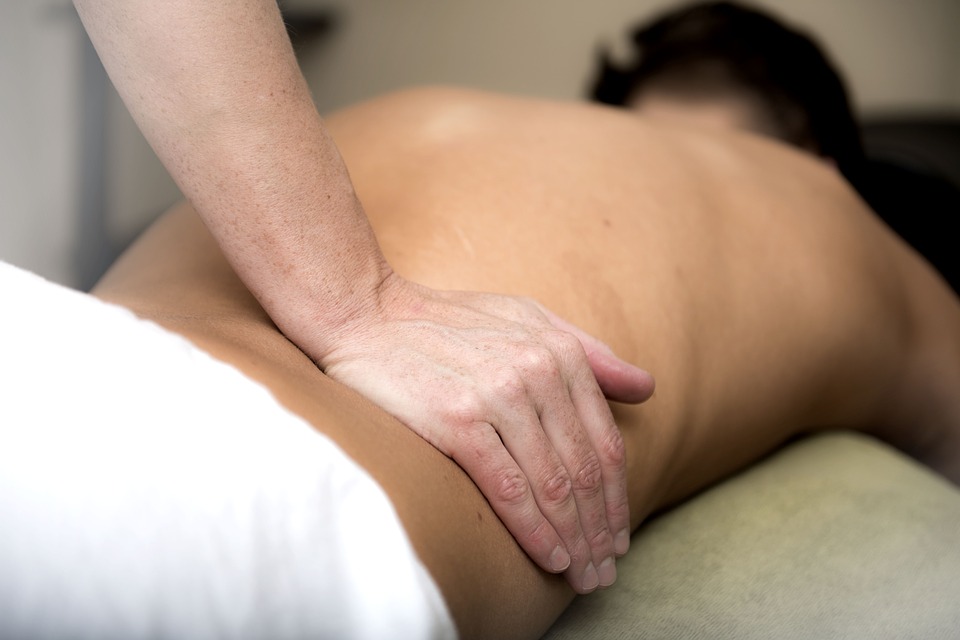
Massage therapists spend their careers caring for the bodies of others—but what about the impact of massage on their own bodies? A study from Poland published in International Journal of Occupational Medicine and Environmental Health evaluated the intensity of effort and energy expenditure during classical massage techniques, offering insights into workload, fatigue, and the need for self-care in the profession.
Study Overview
Thirteen male massage therapists (aged 19–25) performed six classical back massage techniques—stroking, kneading, shaking, beating, rubbing, and direct vibration—while researchers measured cardio-respiratory responses, oxygen consumption (VO₂), heart rate, and perceived exertion (Borg scale).
- Duration: 31.5 minutes of active massage per session
- Tools: Bioelectrical impedance analysis, cycle ergometer test for VO₂ max, heart rate monitoring
- Environment: Standard ergonomic setup, controlled pace (dictated by metronome), consistent technique application
Key Results
🔹 Overall intensity:
- Average effort corresponded to 47% of VO₂ max and 75% of maximum heart rate
- Classified as “hard work” according to occupational workload standards
🔹 Energy expenditure:
- Average: 5.6 kcal/min
- One treatment (~30 min) burned ~180 kcal
- A full workday of 10 treatments = ~1800 kcal, placing massage in the hard work category (1500–2000 kcal/shift)
🔹 Most demanding techniques:
- Rubbing → highest oxygen uptake, heart rate, and metabolic equivalent (MET)
- Vibration → rated by therapists as most strenuous (isometric demand, high local fatigue)
- Stroking → perceived as lightest, but still objectively demanding (>50% VO₂ max)
🔹 Subjective perception vs. objective measures:
Therapists often underestimated workload in early techniques (stroking) and overestimated later ones (vibration) due to accumulated fatigue.
Implications for Therapists
-
Massage is physically demanding
- Performing massage is not “light work.” It is comparable to endurance exercise and must be recognized as such.
-
Ergonomics are essential
- Forced postures, repetitive upper limb movements, and prolonged standing increase the risk of musculoskeletal overload and pain syndromes.
-
Fitness matters
- Average VO₂ max of participants (~42 ml/kg/min) suggests therapists need good aerobic capacity to sustain workload without fatigue.
-
Breaks and recovery are critical
- The study supports the need for regular breaks between sessions to prevent cumulative strain.
-
Occupational health risk
- Massage therapy should be classified as a profession with high physical demands, highlighting the need for preventive strategies and workplace adaptations.
Practical Takeaways
- Treat your work as an athletic activity: invest in conditioning, flexibility, and recovery strategies.
- Prioritize ergonomic table height, body positioning, and technique efficiency.
- Incorporate micro-breaks and vary techniques to avoid repetitive strain.
- Advocate for recognition of massage as physically demanding work in occupational health standards.
Conclusion
Massage therapy is not only demanding for clients—it places a significant physiological load on the therapist. Understanding these demands can help therapists protect their health, extend their careers, and ensure they can continue to provide high-quality care. Caring for your own body is just as important as caring for the bodies of others.
About The Author
