Massage Therapy Enhances Daytime Brain Activity and Reduces Arousal in Poor Sleepers
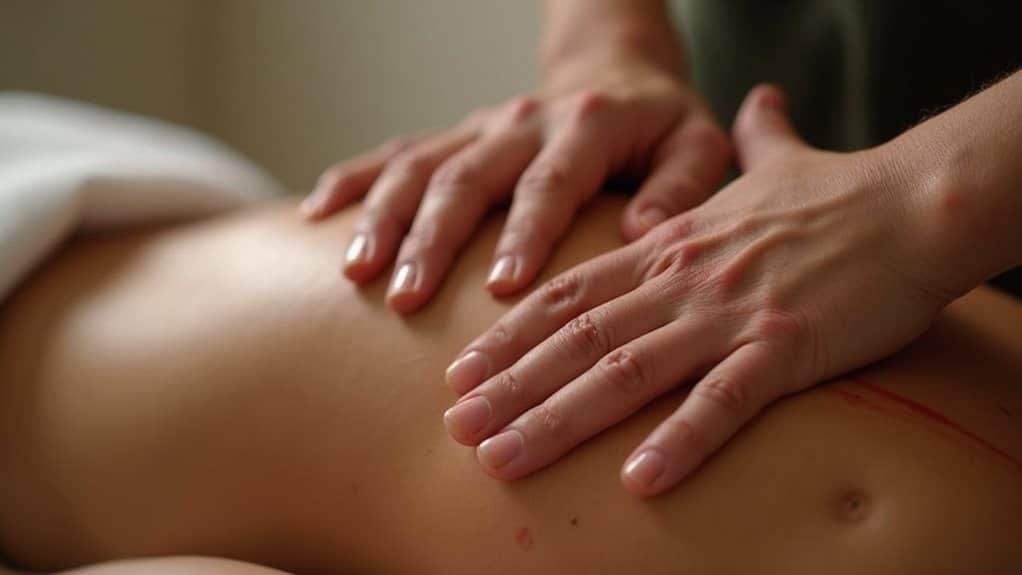
Sleep disturbances are increasingly common in modern society, with a large proportion of individuals—particularly young adults and workers—reporting poor sleep quality. Massage therapy has long been recognized for its relaxing effects, but how it impacts sleep and brain activity during the day is still being explored. A randomized controlled trial from Greece offers compelling evidence for therapists that massage can enhance daytime rest, reduce physiological arousal, and improve overall well-being in individuals with poor nighttime sleep.
The Study Design
This single-blind, placebo-controlled clinical trial involved fifteen participants identified as poor sleepers (Pittsburgh Sleep Quality Index >5), with an average age of 21.6 years. Each participant underwent three different interventions spaced one week apart:
- A 30-minute sports massage (ACT),
- A 30-minute relaxation massage (REL),
- A control session with no massage.
Daytime brain activity was assessed using polysomnographic EEG recordings, while psychological and physiological responses were tracked using validated stress and relaxation questionnaires.
Key Findings for Practice
- Muscle tone decreased significantly—by 7.2%—following the sports massage session (p = 0.000), indicating a measurable reduction in physical arousal.
- The relaxation massage led to a 23.4% increase in subjective relaxation scores (p = 0.008), suggesting a more profound psychological calming effect.
- Notably, only the relaxation massage improved Sleep Latency N1 (the time it takes to enter light sleep), showing enhanced readiness to rest (p = 0.037).
Implications for Therapists
This research underscores the importance of integrating massage into therapeutic strategies for clients struggling with poor sleep and high arousal states. Both sports and relaxation massage improved aspects of neuromuscular and cognitive recovery, but relaxation massage specifically enhanced the transition into sleep.
Massage can be particularly useful in:
- Workplace wellness programs targeting stress reduction,
- Clinical settings addressing anxiety-related sleep issues,
- Recovery protocols for athletes or individuals in high-performance environments.
What really determines knee extensor strength?
Physical Activities: Even weekend warriors can have health benefits
The Effect of Foam Rolling on Tissue Stiffness depends on Athletes’ Experience
About The Author
