Abdominal Massage, the Gut–Brain Axis, and Insomnia
Insomnia is the most common sleep disorder, affecting around 10–20% of people, and it often becomes chronic. Beyond feeling tired, persistent poor sleep is linked with higher risks of cardiovascular disease, metabolic disruption, inflammation, and impaired cognition. While Cognitive Behavioral Therapy for Insomnia (CBT-I) is the gold standard, access can be limited, and sleep medications can bring side effects. This is driving interest in safe, non-pharmacological options that support sleep regulation.
One emerging area is abdominal massage and its potential influence on the microbiota–gut–brain axis. The gut is richly innervated (the “second brain”) and communicates with the central nervous system through neural, immune, and endocrine pathways. Research increasingly suggests that sleep and gut microbiota shape each other: sleep loss can disturb microbial balance, and gut dysbiosis may contribute to stress reactivity and sleep disruption.
A recent study from China use rat as a chemical model of insomnia and compared abdominal massage to zolpidem (a common sleep medication). After two weeks, both interventions improved sleep duration (sleep maintenance). Abdominal massage also shifted gut microbiota toward a healthier profile, increasing microbial diversity and supporting bacteria associated with beneficial metabolites. In parallel, massage helped normalize several brain–gut peptides involved in sleep regulation and reduced signs of hippocampal tissue stress seen in the insomnia model.
What does this mean for therapists? Although animal findings don’t translate directly to humans, they strengthen a practical clinical idea: gentle abdominal work may support sleep by influencing stress physiology and gut–brain signaling, especially in clients with insomnia alongside digestive symptoms, chronic stress, or heightened inflammation. As always, abdominal techniques should be adapted for comfort, safety, and individual presentation—and used as a complement, not a replacement, for evidence-based insomnia care such as CBT-I.
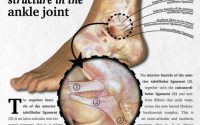
New Ligament of the Ankle Joint – Lateral Fibulotalocalcaneal Ligament
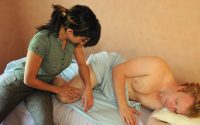
Pleasant Deep Touch, with Comments by Robert Schleip, PhD
Immediate Effects of Myofascial Techniques on Thoracolumbar Fascia Stiffness, Thickness, and Pain Intensity in Chronic Non-Specific Low Back Pain
About The Author
