Massage guns can improve how athletes feel—but not how they perform
Warm-ups are designed to prepare the body for performance by increasing temperature, neuromuscular activation, and range of motion. Alongside traditional dynamic warm-ups, percussive massage guns have become popular tools, widely used by athletes before training and competition with the belief that they reduce stiffness, improve flexibility, and enhance readiness.
Recent research, however, suggests a more nuanced picture—especially for pre-performance use.
Key Findings in Plain Language
1. Perception improves, performance does not
Using a massage gun during a warm-up made athletes feel more ready to perform. Readiness scores increased moderately, even though fatigue levels did not change.
👉 For therapists, this highlights a strong perceptual or psychological effect.
However, this improved readiness did not translate into better physical performance.
2. Explosive mechanics may be impaired
Despite no change in jump height or sprint times, massage-gun use altered how athletes produced force:
- Reduced concentric force output
- Longer contraction times
- Deeper, slower countermovements
- Lower reactive strength index (RSI-mod)
These changes indicate reduced neuromuscular stiffness and slower force development, which are critical for explosive actions like jumping, sprinting, and weightlifting.
👉 Clinically, this suggests massage guns may dampen the stretch–shortening cycle when used immediately before high-power tasks.
3. No meaningful gains in mobility or sprinting
Contrary to common claims:
- Ankle dorsiflexion (knee-to-wall test) did not improve
- 5 m and 20 m sprint performance was unchanged
A well-designed dynamic warm-up alone appeared sufficient to maximise acute mobility and sprint readiness, leaving little room for additional benefit from percussive massage.
Why might this happen?
Percussive massage likely increases muscle–tendon compliance and alters sensory input. While this can feel beneficial, increased compliance immediately before explosive tasks may reduce the system’s ability to rapidly store and release elastic energy.
This creates a perceptual–performance mismatch:
- Athletes feel looser, warmer, and more prepared
- The neuromuscular system becomes slightly less “spring-like”
Therapists may recognise a similar phenomenon with static stretching before power tasks.
Practical Takeaways for Therapists
Massage guns may be useful when:
- The goal is relaxation, comfort, or psychological readiness
- Athletes are anxious, stiff, or perceptually under-prepared
- Used as part of recovery or on rest days
Massage guns should be used cautiously when:
- Immediately before explosive or reactive activities
- Prior to sprinting, jumping, Olympic lifting, or plyometrics
- Replacing (rather than complementing) an active dynamic warm-up
Clinical Bottom Line
Massage guns can improve how athletes feel—but not how they perform.
For therapists, the key is context and timing. Percussive massage may support readiness from a perceptual standpoint, but when applied immediately before explosive activity, it may subtly impair force production mechanics.
Dynamic warm-ups remain the gold standard for acute performance preparation. Massage guns are better positioned as tools for recovery, down-regulation, or longer-term mobility work—rather than last-minute performance enhancers.

Til Luchau on Somatic memory
Massage Therapy: Proven effectiveness for the treatment of affective disorders
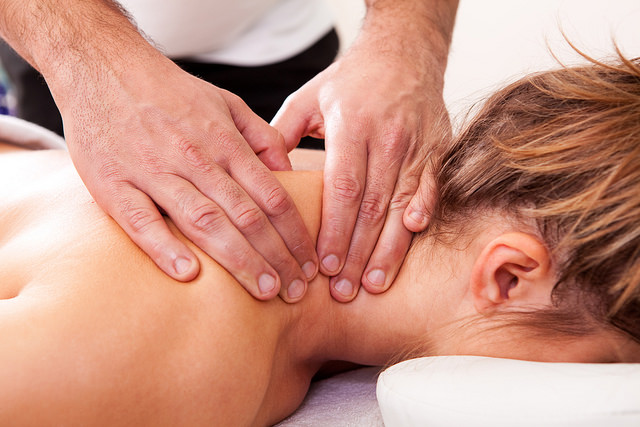
Massage elevates oxytocin level and increases sensitivity
About The Author
