Massage Therapy in Rheumatoid Arthritis
Introduction
Rheumatoid arthritis (RA) is a chronic, progressive autoimmune disease characterized by persistent inflammation, synovial hyperplasia, and progressive cartilage destruction. Affecting approximately 0.5–1% of the global population, RA leads to pain, stiffness, and functional limitations, significantly impairing quality of life.
Despite advances in pharmacological management—disease-modifying antirheumatic drugs (DMARDs) and biologic agents—many patients continue to experience residual pain, fatigue, and disability. This ongoing symptom burden has created interest in complementary therapies (CTs), particularly massage therapy, as adjuncts to conventional care.
Evidence from Clinical Studies
Pain and Function
- Hand massage: Randomized controlled trials demonstrate significant reductions in pain and fatigue, with improvements in grip strength and range of motion. Moderate pressure massage is more effective than light touch.
- Foot reflexology: Improves pain, sleep quality, and overall well-being in RA patients.
- Knee arthritis: Swedish and moderate-pressure massage reduced pain and stiffness, improved function, and enhanced sleep.
- Olive oil massage: When combined with topical analgesics, improved pain scores and disease activity measures.
Aromatherapy and Reflexology
- Essential oil–based massage reduces fatigue and pain and improves quality of life.
- Swedish massage with essential oils demonstrated reduced analgesic use and lower pain scores compared to controls.
Mechanistic Insights
- Neuroendocrine modulation: Reduced cortisol, increased oxytocin, and balanced autonomic nervous system responses.
- Immune effects: Altered cytokine activity (IL-6, TNF-α), increased lymphocyte activity, and improved circulation.
- Fascial and tissue effects: Improved blood and lymphatic flow, reduction of adhesions, and modulation of fibroblast activity leading to tissue remodeling.
Practical Applications for Therapists
-
Technique Selection:
- Moderate pressure massage demonstrates the most consistent benefits.
- Reflexology and aromatherapy can complement manual therapy in holistic protocols.
-
Patient Populations:
- Particularly beneficial for patients with residual pain, sleep disturbances, and comorbid conditions like fibromyalgia.
- Evidence suggests that both therapist-administered and self-massage protocols can provide relief.
-
Frequency and Duration:
- Benefits typically emerge within 4–8 weeks of regular sessions.
- Long-term consistency may sustain improvements in function and reduce flare severity.
-
Integration with Medical Care:
- Massage should be offered as a complement to pharmacological treatment, not a replacement.
- Coordination with rheumatologists and nursing staff enhances safety and consistency of care.
Limitations and Future Directions
- Current evidence supports short-term efficacy; long-term effects need further research.
- Methodological differences between studies (techniques, durations, outcomes) create heterogeneity.
- Larger, standardized clinical trials are needed to define optimal protocols and establish guidelines for massage in RA care.
Conclusion
Massage therapy is a safe, evidence-informed complementary treatment that can reduce pain, improve joint function, support psychological well-being, and possibly influence inflammatory pathways in RA patients. For therapists, it represents a valuable adjunct to medical management, particularly when integrated into multidisciplinary care plans.
By addressing both physical and emotional dimensions of RA, massage therapy empowers patients to achieve better mobility, reduced pain, and improved quality of life.
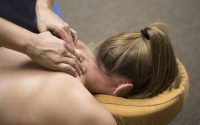
Measuring the hemodynamic effects of massage on skeletal muscle

Chronic Hamstring Strain & the Pelvis
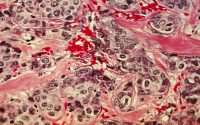
The sensitivity of the Fascia to the Endocannabinoid System
About The Author
