Pain after fracture healing, What Therapists Can Do: From Day 1 to Full Return
1) Your north star: calm the nervous system, load the bone
Two things drive recovery: a quieter, less “wound-up” nervous system and a progressively loaded, better-moving limb. Every intervention below maps to one (or both) of these.
2) Phase-based care (typical flow; adapt to surgeon protocols)
Early protection (weeks 0–2)
Goals: pain control, swelling reduction, protected motion above/below the fracture, confidence.
Tactics: elevation, diaphragmatic breathing, gentle isometrics in pain-free ranges (muscle pumping), active ROM of adjacent joints, desensitisation (see below), education about hurt ≠ harm, and sleep hygiene.
Controlled loading (weeks 2–6+)
Goals: graded weight-bearing per clearance, gait symmetry, expand ROM/strength/function, reduce fear.
Tactics: partial→progressive WB with clear targets (e.g., 25% body weight increase every 3–7 days if pain settles within 24 h), short, frequent bouts; begin resistance with tempo control; start balance and proprioception.
Remodelling & return (weeks 6–12+)
Goals: full, pain-tolerable loading, power, impact prep (if indicated), task-specific work.
Tactics: loaded functional patterns (step-downs, sit-to-stand, split squats), walk pace ↑, hills/stairs; jog/impact only when criteria met (see Section 8).
3) Talk that treats: quick education scripts
- Normalize: “Early pain is your body’s alarm while the bone knits. Our plan steadily turns that alarm down as we rebuild load tolerance.”
- Reassure with boundaries: “Some soreness during or after exercise is okay if it settles to baseline within 24 hours.”
- De-threaten: “Sensitivity means your system is protective, not necessarily that you’re causing damage.”
- Build agency: “Small, frequent, successful loads teach the bone and brain to trust the limb again.”
Avoid nocebo phrases (e.g., “your bone is fragile”), and replace with “your bone is healing and responds well to smart loading.”
4) Practical pain-modulation tools you can deploy now
- Desensitisation ladder (5–10 min, 2–3×/day): light touch → soft brush/cloth → textures → gentle vibration → contrast baths (end warm).
- Breathing + down-regulation: 4–6 breaths/min, 5 min before sessions and bedtime.
- Graded Motor Imagery (for high sensitivity/CRPS risk): laterality training → imagined movement → mirror therapy, 5–10 min blocks.
- TENS/IFC/heat/cold: use to enable movement, not as stand-alone fixes.
- Sleep support: consistent schedule, dark/cool room, brief evening mobility; poor sleep amplifies pain.
5) Build load the bone likes (and that the patient trusts)
- Isometrics for analgesia and early strength (30–45 s holds, 4–6 reps, 2–3×/day, pain ≤3/10, settles <24 h).
- Eccentric-concentric strength with tempo (e.g., 3-1-1), 6–12 reps, 2–3 sets, every other day.
-
WB progression (illustrative):
- Day 1–3: 25% BW with crutches →
- Day 4–7: 50% BW →
- Week 2: 75% BW →
-
Week 3+: full WB as tolerated.
Progress if: pain ≤3/10 during, ≤2/10 next morning, swelling not ↑, gait not worsened.
- Impact prep (once cleared): marching → pogo hops (double-leg to single-leg) → low-amplitude jumps.
6) Gait & function (what to actually cue)
- Early: cadence up, steps short, quiet foot strike, symmetrical stance time using metronome or treadmill.
- Mid: step-downs, lateral weight shifts, farmer carries (light → heavy), uneven surfaces, stair practice.
- Late: task-specific drills (getting off floor, carrying loads, sport skills).
7) Red flags & complications (when to escalate)
- Possible nonunion/delayed union: persistent focal pain with WB beyond expected window, night pain, ongoing fracture line on recent imaging, “giving way” sensations. Liaise with the surgeon.
- Infection (post-op): fever, redness/heat, drainage, escalating pain—urgent referral.
- CRPS watch (Budapest pattern): disproportionate pain plus ≥2 of—temperature or colour asymmetry, sweating/oedema, allodynia/hyperalgesia, motor/trophic changes. Act early: escalate to pain team; start desensitisation, GMI, gentle WB, and avoid immobilisation.
8) Return-to-activity criteria (use objective gates)
Advance only when all apply for the target level:
- Pain ≤2/10 with target tasks; no morning flare >24 h
- Oedema stable; limb temperature symmetrical
- ROM ≥90% of other side (or pre-injury baseline)
- Strength ≥80–90%: e.g., single-leg calf raises, knee extension dynamometry, grip for upper limb
- Functional tests pass: pain-free step-down set, timed up-and-go within age norms, hop or walk-jog intervals completed without flare
- Gait symmetry on wearable/force plate or clinician observation
9) Outcome measures you can actually use
- Pain/impact: NRS (session-to-session), PROMIS Pain Interference (baseline and monthly)
- Function: LEFS (lower limb), QuickDASH (upper limb), PSFS (patient-specific goals)
-
Psychological risk: Pain Catastrophizing Scale (PCS), Tampa Scale of Kinesiophobia (TSK-11)
Track 1–2 key scores weekly to guide load.
10) Medication coordination (what to know, what to say)
- Support multimodal, opioid-sparing plans when possible. If the team avoids NSAIDs, lean harder on movement-based analgesia (isometrics, graded exposure, sleep).
- If patient is on opioids >2–4 weeks, encourage medical review and a slow taper while you increase active strategies.
- Document how your interventions reduce pain scores and opioid need—that data helps prescribers taper.
11) Nutrition & bone basics (brief but powerful)
- Protein: ~1.2–1.6 g/kg/day; distribute across meals
- Calcium: ~1000–1200 mg/day (diet first)
- Vitamin D: maintain sufficiency per local guidelines
-
Lifestyle: no smoking; limit alcohol; manage glucose in diabetes
Collaborate with GP/dietitian in frail or osteoporotic patients.
12) Special populations
- Older adults/osteoporosis: add balance/falls program (Otago-style), hip strategy training, home hazard check.
- Pediatrics: keep sessions playful and brief; watch for excessive immobilisation fear; educate parents on normal soreness vs flare.
- High-risk psychosocial (high PCS/TSK, PTSD): integrate graded exposure, values-based goal setting; consider CBT/ACT referral early.
13) A simple decision flow you can memorize
- Screen red flags → refer if present.
- Set expectations and pain plan (24-hour rule).
- Start movement day one (isometrics, ROM, desensitisation).
- Progress WB/strength when 24-hour response is stable.
- Restore gait → function → task-specific loading.
- If plateau or escalating sensitivity → add GMI, review sleep/stress, coordinate meds.
- If persistent focal pain beyond window → re-image/orthopaedic review.
- Meet criteria → return to impact/sport/occupation.
14) Documentation that drives progress
Each visit: pain (now/24-h), oedema, ROM, strength proxy, gait note, one PROMIS/LEFS line, next load step. If the morning-after check is clean, you earned the right to load more.
Bottom line
Use education to lower threat, use smart progression to load bone, and use objective gates to time return. Treat the limb and the nervous system—and you’ll prevent more chronic pain than any pill ever could.
Reference:
Nishimura H, Layne J, Yamaura K, Marcucio R, Morioka K, Basbaum AI, Weinrich JA, Bahney CS. A bad break: mechanisms and assessment of acute and chronic pain after bone fracture. Pain. 2025 Nov 1;166(11):e491-505.
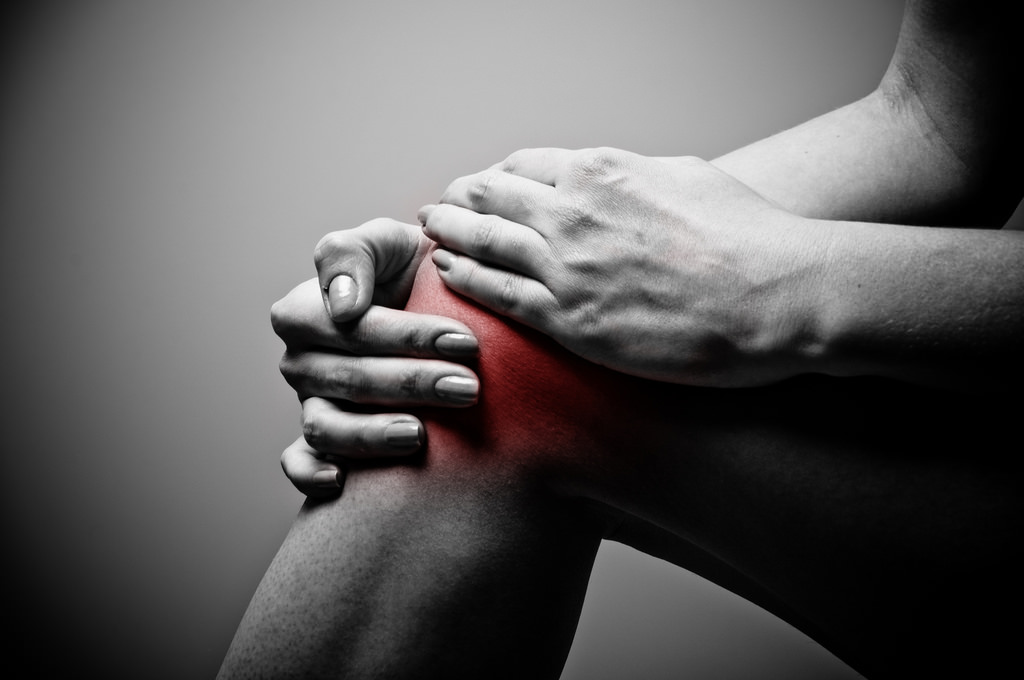
Patellofemoral Pain Syndrome and Vastus Medial Obliquus
More Frequent Massage Sessions are More Effective for Neck Pain

Massage Protects against Disuse Atrophy in Young Adult Rats
About The Author
