Understanding Muscle Stiffness and Gentle Manual Interventions in Chronic Pain
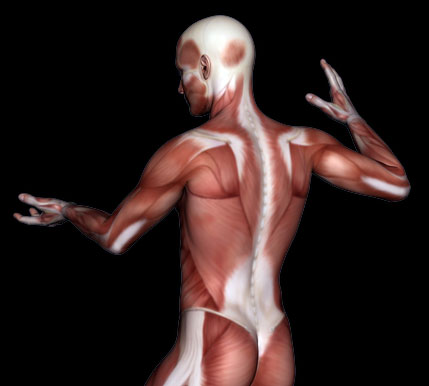
Muscle stiffness refers to increased resistance of muscle tissue to deformation or stretch, often associated with pain and functional limitation. Patients with chronic LBP show higher stiffness in spinal muscles compared to healthy individuals, suggesting that reducing stiffness is a clinically meaningful target. Importantly, about 85% of LBP cases are classified as non-specific, with no identifiable structural cause on imaging, highlighting the challenge of finding safe and effective interventions.
Conventional Manual Therapies
- Massage therapy provides short-term reduction in stiffness and pain through mechanical and neurophysiological mechanisms but can cause mild discomfort, particularly with deep pressure.
- Static stretching reduces muscle spindle excitability and modestly decreases stiffness, though effects are transient.
- PNF stretching uses voluntary contraction and assisted stretching to trigger reflex inhibition, but requires patient effort and may be too intense for frail or hypersensitive patients.
- Myofascial release (MFR) applies sustained pressure to fascial tissues, with reported benefits in mobility and pain, but often provokes discomfort in sensitive patients such as those with fibromyalgia.
Each approach carries therapeutic value but also distinct limitations regarding intensity, tolerability, or technical demands.
Kanshoho: A Gentle Manual Approach
An article published in the journal Cureus introduced kanshoho, a Japanese technique developed in 2007 that applies very light, focal pressure (around 4.9–7.4 N, equivalent to ~500–750 g of force) over small contact areas (1–2 cm), combined with patient-initiated small movements. This sequence is repeated for several minutes, shifting gradually along the target muscle.
Studies suggest Kanshoho can reduce muscle stiffness within minutes and improve mobility and pain scores. Importantly, even extremely light forces (≤ 1 N) have been used effectively in hypersensitive patients, including those with fibromyalgia. No tissue damage or adverse effects have been reported, highlighting its safety for frail or elderly populations.
Mechanistic Considerations
Two main pathways are proposed:
- Biomechanical: Gentle focal loading combined with movement may redistribute fascial fluids, reduce fascial tension, and improve tissue sliding.
- Neurophysiological: Stimulation of mechanoreceptors such as muscle spindles and Golgi tendon organs may lower reflexive muscle tone. The addition of active patient movement likely engages proprioceptive and central pain-modulating pathways, further contributing to muscle relaxation.
These mechanisms overlap with but are distinct from massage or MFR, with Kanshoho’s unique contribution being the combination of minimal mechanical load with active patient participation.
Clinical Implications
Preliminary evidence suggests Kanshoho offers:
- Rapid reduction of muscle stiffness
- Immediate symptomatic relief with minimal invasiveness
- High tolerability even in hypersensitive populations
Comparisons with conventional techniques indicate its particular suitability where traditional manual therapy may be poorly tolerated, such as in fibromyalgia or advanced age. However, research remains limited in scope, primarily focused on LBP and shoulder stiffness. Standardized protocols and randomized controlled trials are needed to clarify its effectiveness, duration of benefit, and broader indications. For therapists, understanding mechanisms of muscle relaxation is critical in tailoring interventions. Kanshoho illustrates how low-force, patient-assisted techniques may offer a safe and tolerable option for reducing muscle stiffness. While not a replacement for exercise-based therapy or indicated for structural pathologies, such gentle approaches may complement existing strategies, particularly in populations sensitive to conventional manual therapies.
Structural Differences in Muscles of Long-Term Resistance Trained Individuals Compared to Untrained

Josephine Key talks about Freedom to Move
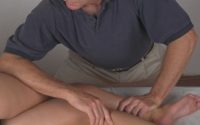
Integrating new techniques into your practice
About The Author
