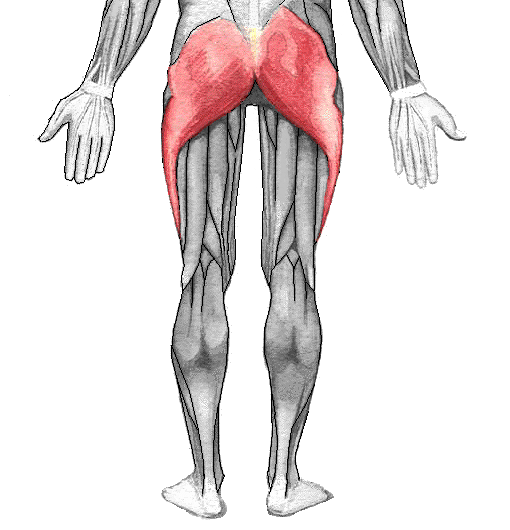
Gluteal tendinopathy is a source of lateral hip pain, yet common clinical diagnostic/assessment tests for this condition have limited validity. Patients with gluteal tendinopathy are often misdiagnosed, resulting in inappropriate management, including surgery. A study by physiotherapists from University of Queensland in Australia investigated the diagnostic validity of clinical tests for gluteal tendinopathy, and compared
The World Health Organization (WHO) and the US Department of Health and Human Services recommend a minimum of 150 min/wk of moderate-intensity aerobic activity (or 75 min/wk of vigorous-intensity activity). These recommendations suggest following these physical activities can “substantial” health benefits. But does Weekend Warrior or Leisure Time Physical Activity also have health benefits? Researchers
Cryotherapy is an increasingly popular recovery strategy used in an attempt to attenuate the negative impact of strenuous physical activity on subsequent exercise. A study aimed to assess the effects of whole body cryotherapy (WBC) and cold-water immersion (CWI) on markers of recovery following a marathon. Thirty-one endurance trained males completed a marathon. Participants were
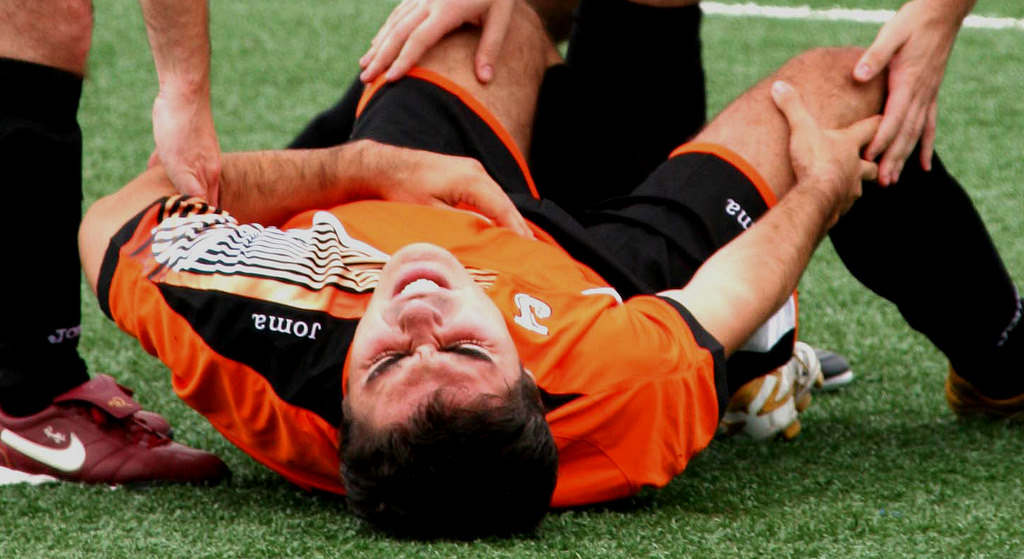
Muscle strain injuries are common in sports and exercise. Acute injury can result in a loss of performance, delay in recovery time, and a risk of recurrence. Researchers from Bispebjerg Hospital, Copenhagen, Denmark investigated the effect of the timing of rehabilitation treatment following acute muscle strain injuries. In particular, they compared early versus
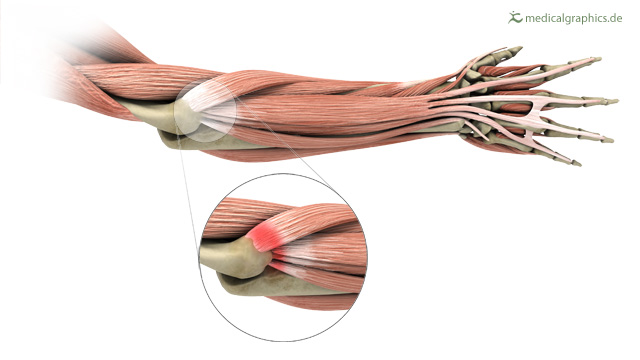
Tennis elbow is one of the most common clinical injuries of the arm related to overuse or sports. Researcher Dimitrios Stasinopoulos prefers the term lateral elbow tendinopathy to describe this condition because other terms such as lateral epicondylitis, lateral epicondylosis, and lateral epicondylalgia, incorrectly assign bone as the principal involved tissue, when in reality
Why, when we (as a profession) appear (according to the new pain science gurus) to have been so wrong before, do we appear to believe that we are right this time? In this era of Post Truth, we read that biomechanical model is outdated, palpation is illusion, assessment has no value, stretching is no more
Can you tell us a bit about yourself? I was born in Long Island, New York. I loved dancing as a child but was not given the opportunity to train until I was in high school. I began professional lessons in New York, Boston and then at Skidmore College where I earned a Bachelor of
Shoulder pain is common problem that is treated by both manual therapists as well as orthopaedic surgeons. One type of shoulder pain is caused by impingement of the supraspinatus distal tendon between the head of the humerus and the acromion process. This impingement sometimes occurs as result of a bone spur that forms off the
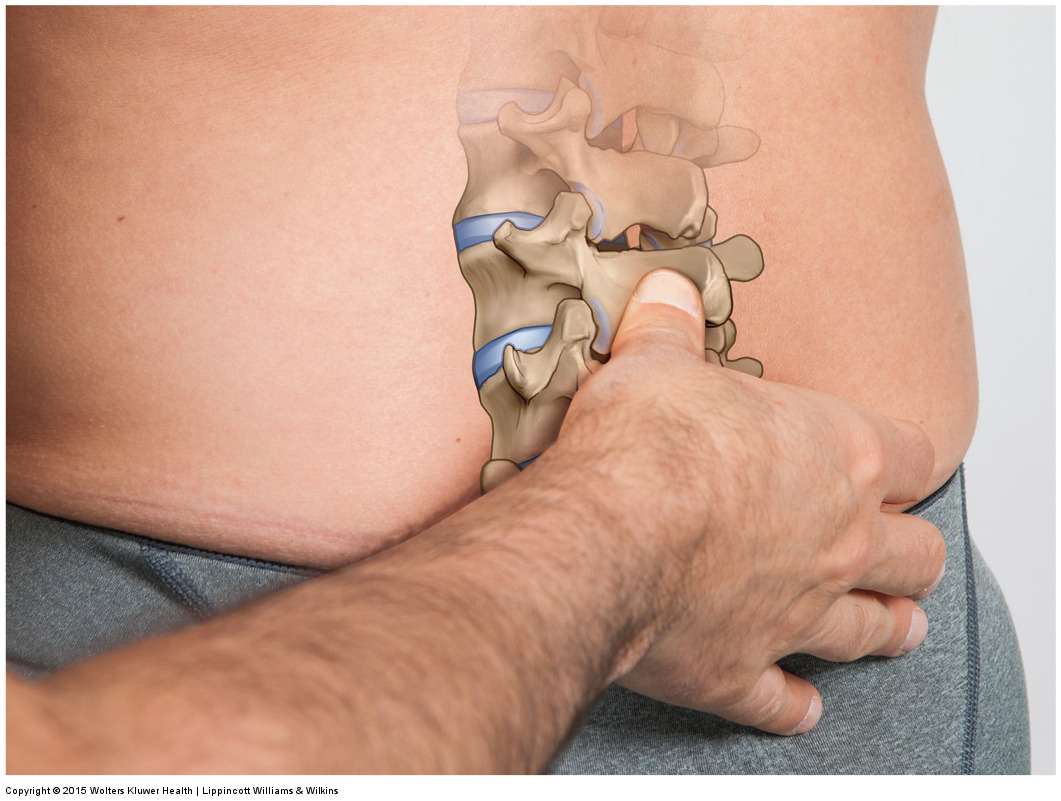
There is a hypothesis that the skin-fascia interface with underlying bone is frictionless, and therefore ONLY a perfectly perpendicular (90°, “compressive” / “normal”) force delivered during spinal manipulative therapy (SMT) can move the underlying vertebrae. It also implies that vertebrae could not be moved in practitioner-defined directions by altering the application angle of SMT. To
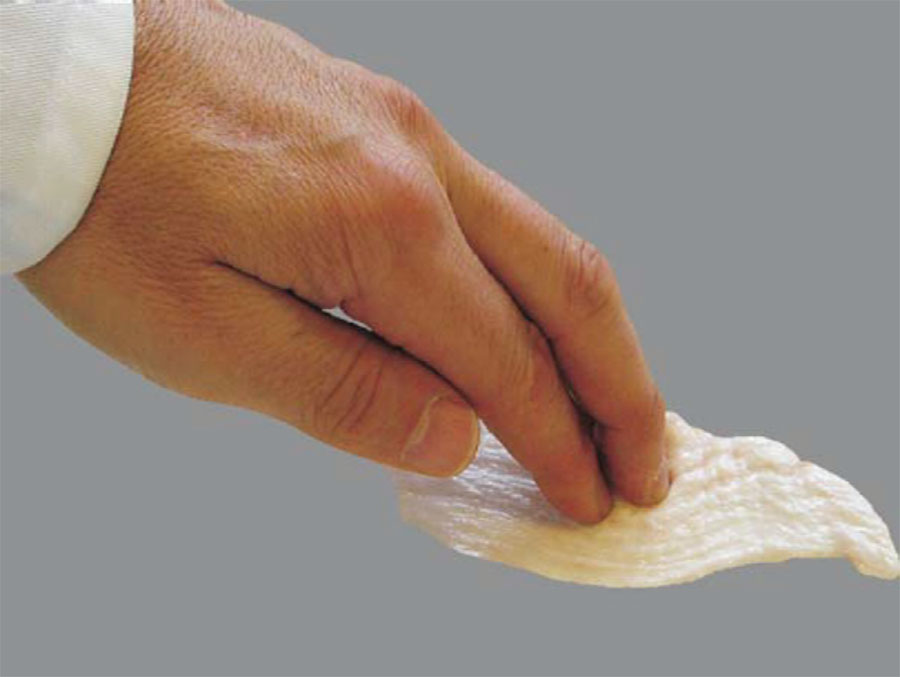
A 2002 Study stated that the skin-fascia interface is frictionless. This was interpreted that in myofascial techniques, we cannot apply a shear force or tension the tissues under the skin because the skin-fascia interface is slippery. We look into what recent studies tell us and demonstrate that taking any theory too far is precarious.