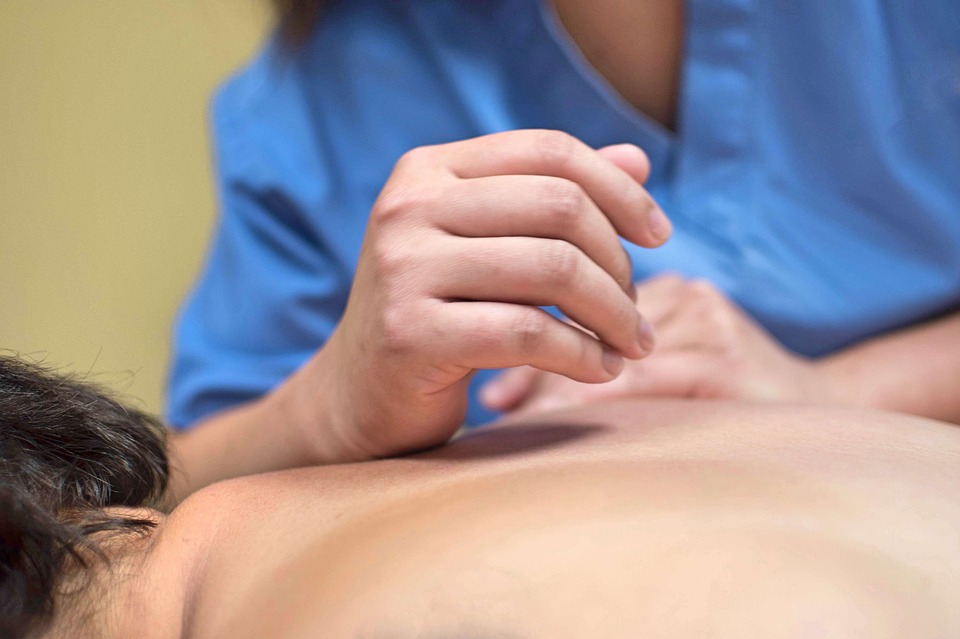
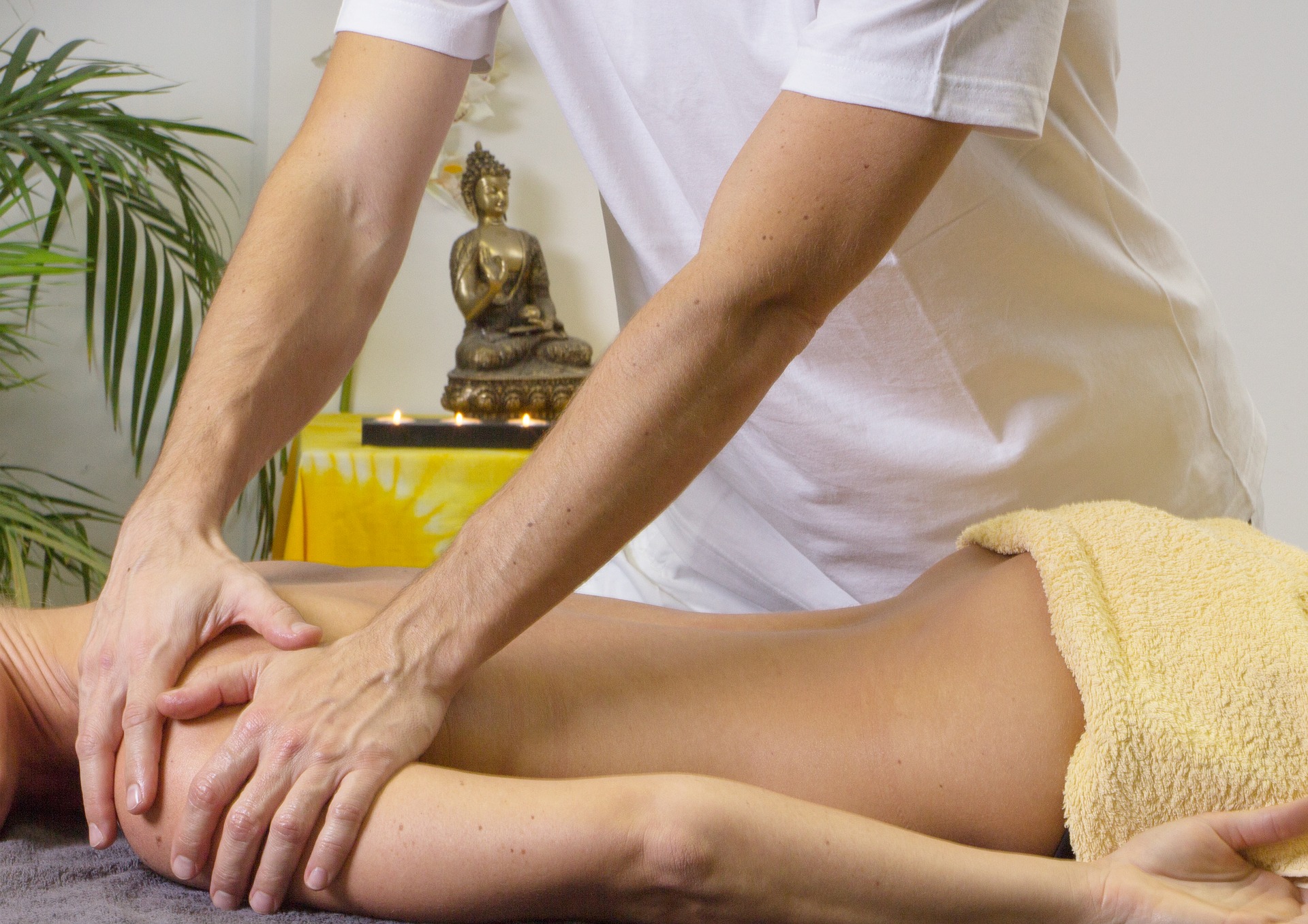
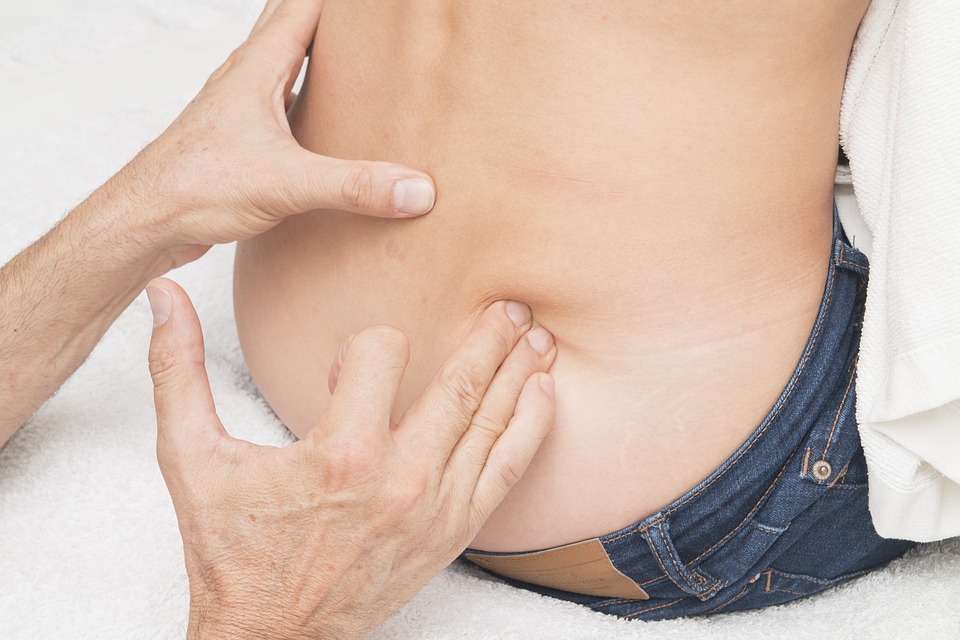
Massage therapy is commonly used during physical rehabilitation of skeletal muscle to ameliorate pain and promote recovery from injury. Although there is evidence that massage may relieve pain in injured muscle, how massage affects cellular function remains unknown. The discovery provides strong evidence that massage merits further study as a treatment for injuries and chronic
A study from Canada investigated the immediate neurophysiological effects of different types of massage in healthy adults using functional magnetic resonance imaging (fMRI). The study suggested that that qualitatively different aspects of massage, such as the nature of human touch, can selectively modulate the activity of certain brain regions. The researchers looked at the problem
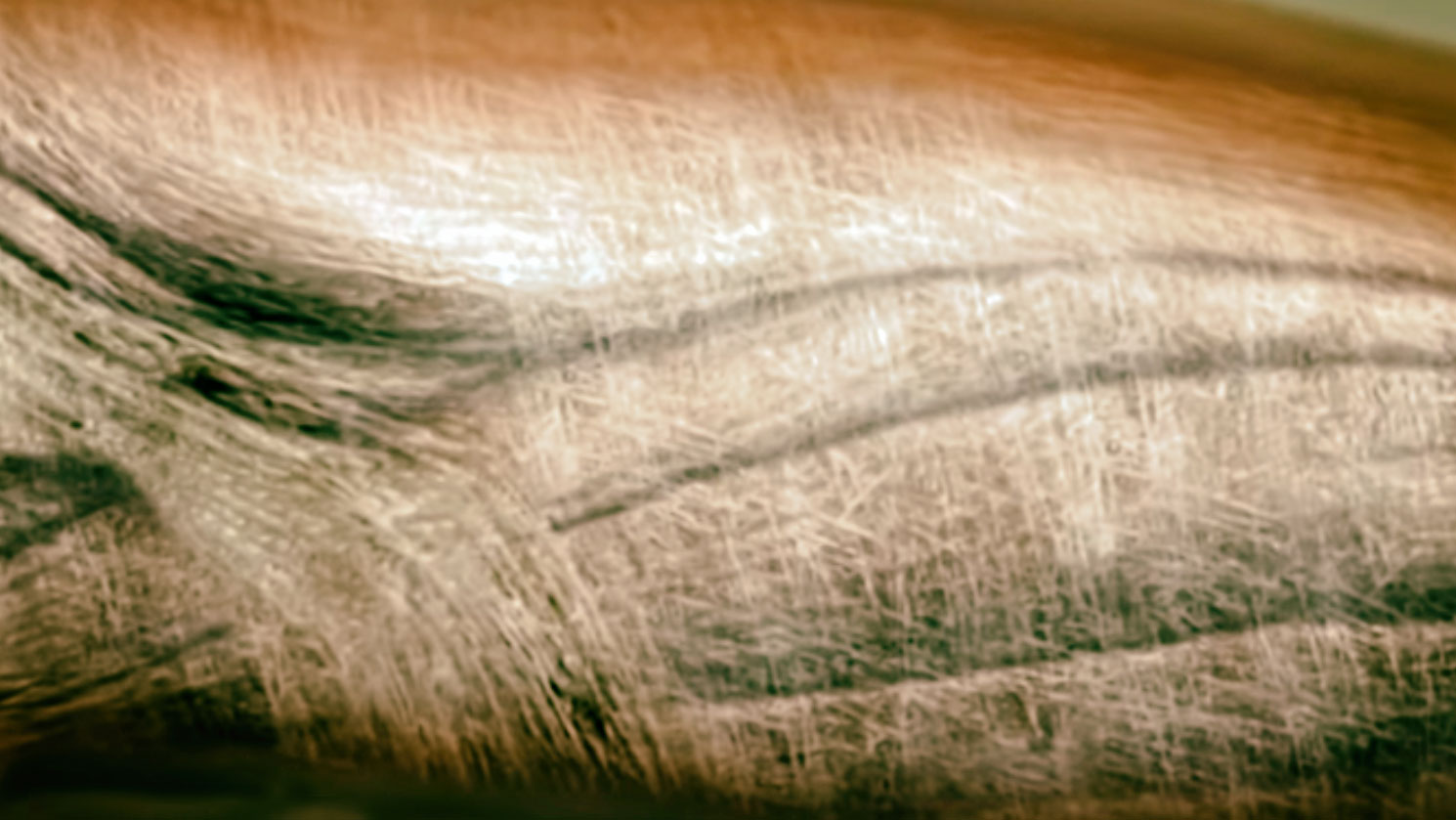
We know the unique properties of fascia supporting our body, but now research has shown that fascia canbe used to rebuild human muscle. Sgt. Ron Strang suffered a roadside bomb in Afghanistan that blew off part of his left thigh two years ago. The accident made him wonder if he would ever be able to
Researchers from Cedars-Sinai Medical Center reported that a single massage produced measurable changes in the immune system and endocrine system of healthy adults. The research was conducted in an outpatient research unit in an academic medical center. Medically and psychiatrically healthy adults, 18–45 years old, participated in this study.The study design was a head-to-head, single-session
Australian researchers have discovered an entirely new aspect of human muscle behaviour which has implications for treating stroke and multiple sclerosis. Professor Simon Gandevia, of Neuroscience Research Australia and the University of New South Wales, and colleagues, report their findings in the Journal of Physiology. Gandevia and team have discovered that when human muscles are
Researchers from School of Health and Sport Sciences, Chukyo University, Japan studied the viscoelasticity of gastrocnemius medialis muscle and tendon after stretching. The study was published in Scandinavian Journal of Medicine Science Sports. In 11 male participants, displacement of the myotendinous junction on the gastrocnemius medialis muscle was measured using ultrasonographic during the passive dorsiflexion
The study conducted by researchers from Neuromechanics Research Laboratory, at Auburn University, USA, investigated the influence of a standardized clinical neck/shoulder Therapeutic Massage intervention on physiological effect of massage. The physiological measures were: assessing α-motoneurone pool excitability, muscle activity; and the clinical measure of range of motion (ROM) compared to a light touch and control
It likely comes as no surprise that low back pain is the most common form of chronic pain among adults. Lesser known is the fact that those with chronic pain also experience cognitive impairments and reduced gray matter in parts of the brain associated with pain processing and the emotional components of pain, like depression
Pumping up is easier for people who have been buff before, and now scientists think they know why — muscles retain a memory of their former fitness even as they wither from lack of use. Traditionally, such “muscle memory” has been attributed to neural factors in the absence of any identified local memory mechanism in
Mice seem to enjoy massage, according to new research from the California Institute of Technology, where scientists picked out the neurons that fire when a mouse is stroked. There are hopes that identifying similar neurons in humans could help develop new pain or stress-relieving drugs. In a study published in Nature, researchers identified the nerves