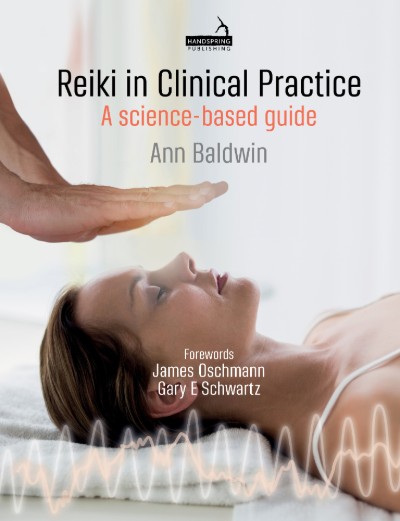
Amy Baldwin in Reiki in Clinical Practice provided a review of the current peer-reviewed studies on Reiki. The following article is an excerpt of the book (Handspring Oublishing, 2020), Chapter 2 “Why Should Therapists Trust that Reiki is an Effective Therapy?” Baldwin and colleagues found 77 peer-reviewed, published Reiki research articles from 1996-2019. Center for
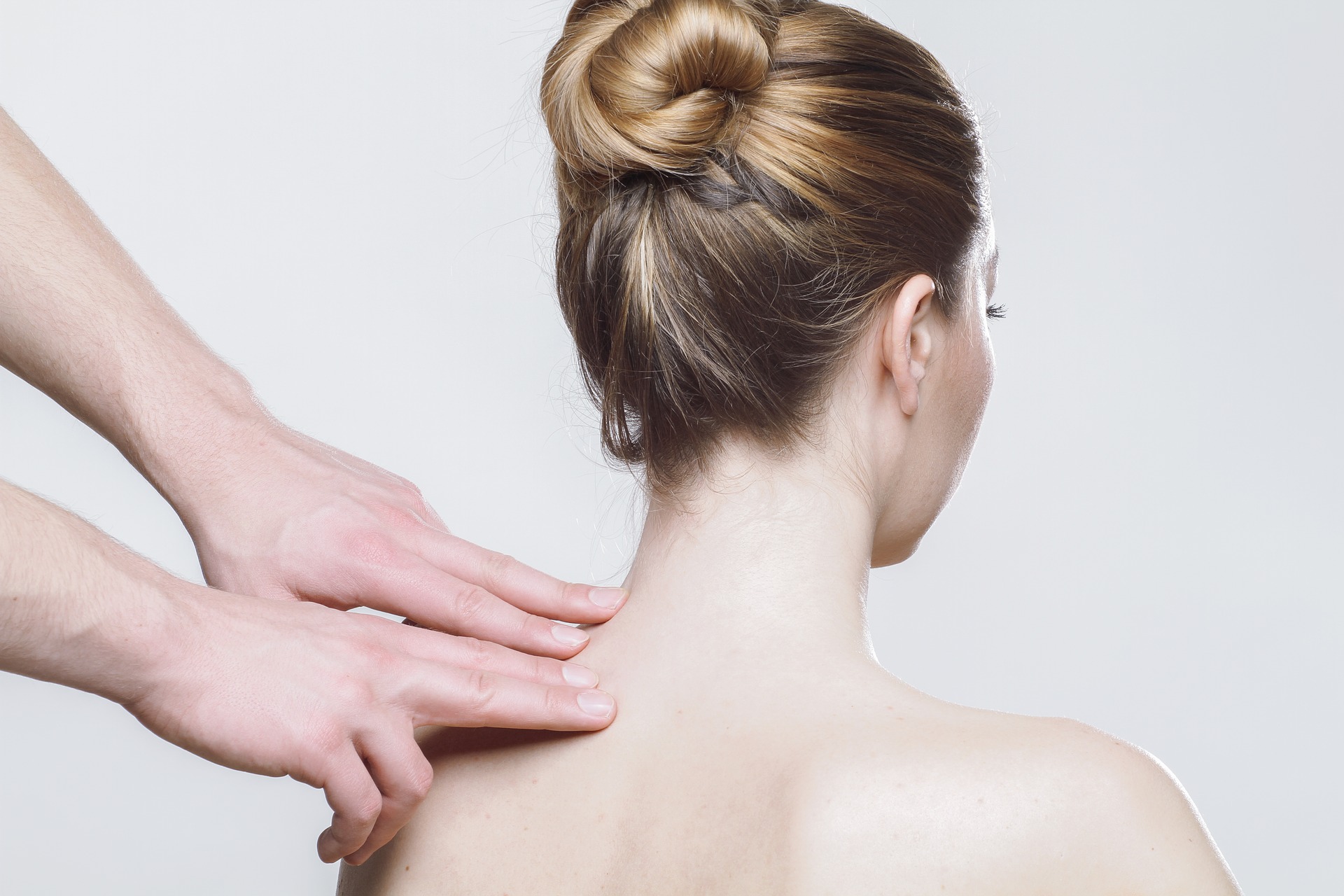
Recently there is an interest in the role of touch and interoception, “the sense of the physiological condition of the entire body.” In particular, affective touch has been shown to affect low-conducting unmyelinated C-tactile (CT) fibres, which trigger a general sense of well-being. This suggests a neurobiological component in manual therapies. Researchers from the University
Two monks were arguing about a flag flapping in the wind. One said. “the flag is moving”, while the other monk argued, “the wind is moving”. A wise old monk happened to be passing by. He told them: “Neither the flag nor the wind is moving, it is MIND that moves.” This Zen story has many interpretations,
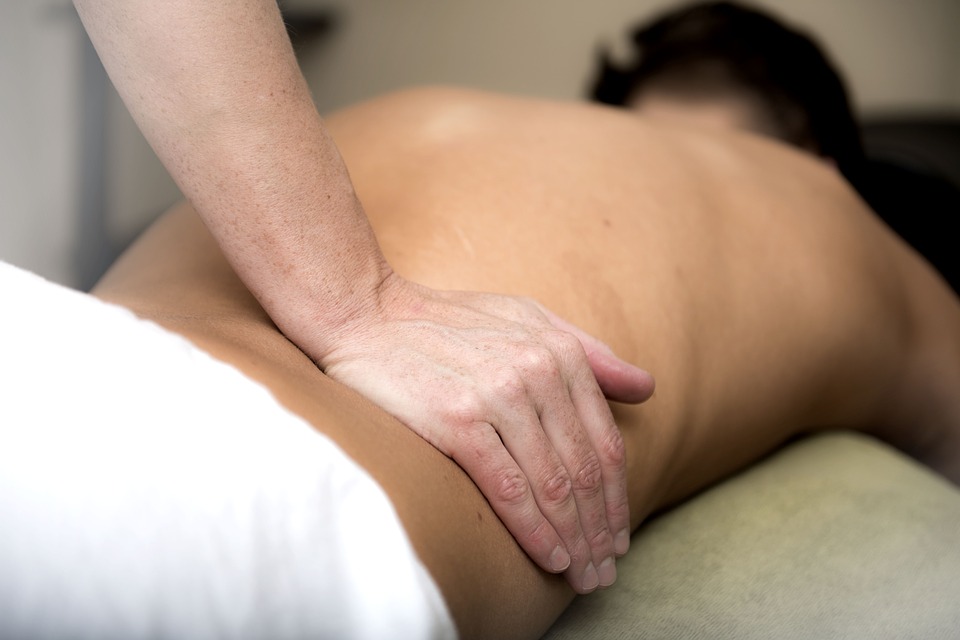
Currently, there is a vast interest in pain science in manual therapy. The biopsychosocial framework suggested that lifestyle and psychosocial factors are the essential components of musculoskeletal treatment. Thus, in physiotherapy, there is a trend that pain education and exercise therapy are being recommended as evidence-based treatments. In contrast, manual therapy is considered as a
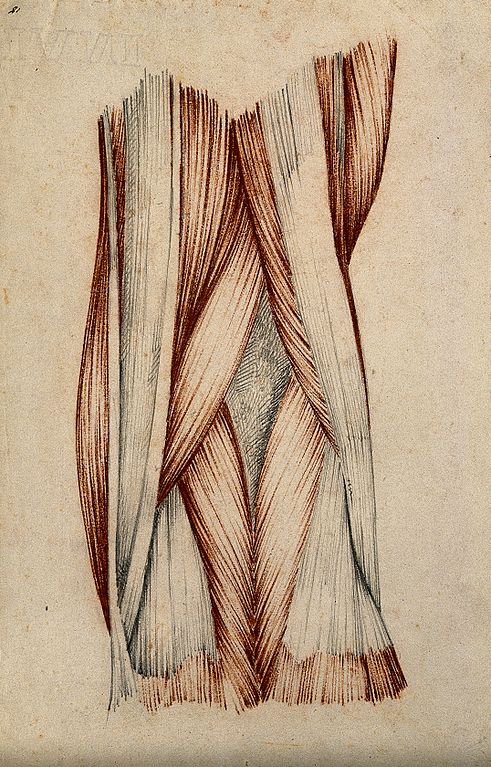
Myofascial continuity has been hypothesized and verified in cadaveric studies. This continuity means that local tissue modification can affect adjacent structures. If the linkages between two muscles are stiff enough, they may transmit force. However, myofascial force transmission has been mostly demonstrated in cadaveric studies, where significant mechanical interactions between constituents of myofascial chains have
A study published in Current Reviews in Musculoskeletal Medicine looked at the Correlation between Forward Head Posture and Neck Pain This study is the perfect example of what is so wonderful, and at the same time so frustrating, about evidence-based research. It has classically been assumed that a postural dysfunctional pattern, such as forward head
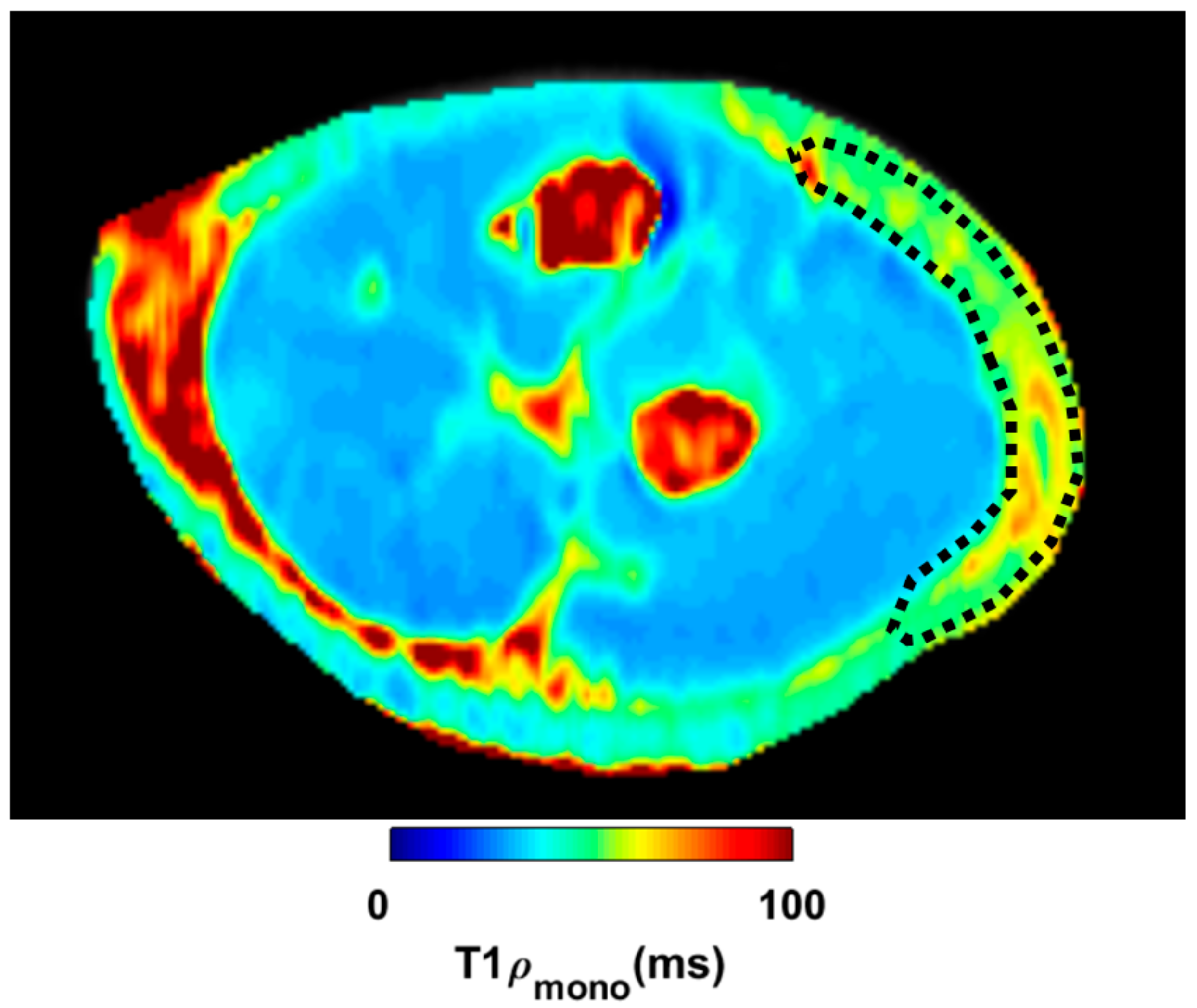
The capacity of fascia to soften or harden in response to mechanical stimuli has attracted new research interest. For example, isometric stretching could alter the water content of fascia and can have an impact on the viscoelasticity of tissues. It was hypothesised that a healthy ground substance in fascia contains abundant proportion of water “bound” to glycosaminoglycan (GAG).
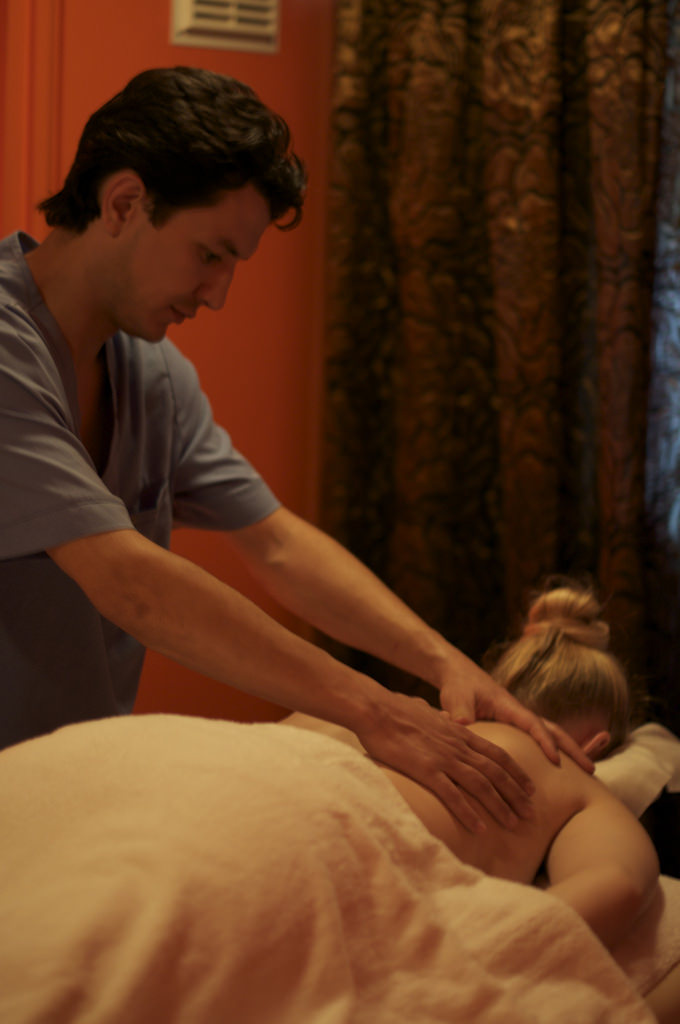
The effectiveness of manual therapy is a combination of a therapist’s technical skill, verbal and non-verbal communication, trust, and a sense of empathy. These factors can influence a patient’s pain resolution and therapeutic outcomes. A clinical ritual usually involves history taking and physical assessment. A study by a group of physical therapists from the US
Forward head posture (FHP) is a common posture on the neck which can be found almost everywhere in the modern world. Traditionally, forward head posture is believed to lead to neck pain; however, this view has been challenged in recent years. Another belief is that all posture is normal, and human has adapted to various
There is a debate on the role of posture on musculoskeletal health. The conventional view is that normal posture with straight cervical spine alignment is important for maintaining efficiency and pain-free movement while another view is that all postures are normal. Posture can also affect cervical sensorimotor control and the functioning of the autonomic nervous