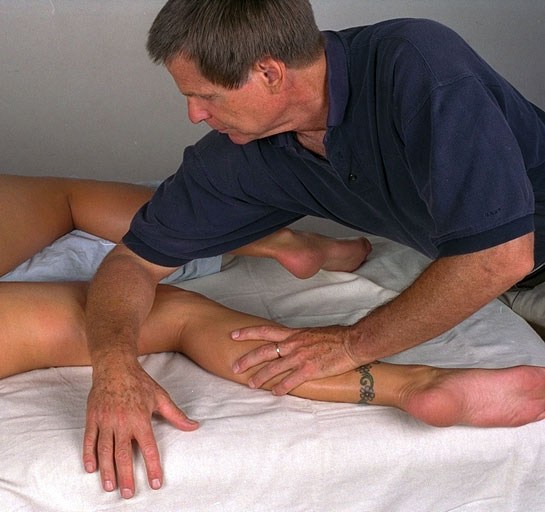
Structural integration (SI) is a form of manual therapy, originally developed by Dr. Ida Rolf, which targets fascial tissues combined with motor re-education. The main goal of SI is to restore the functional capabilities of the human body. It was hypothesized that SI acts mechanically on sensitive receptors in the soft tissues, which results in changes
Peripheral nerve injury is a debilitating condition; the injured axons can cause loss of motor, and autonomic functions, which can lead to a deterioration in the quality of life. Surgical repair is the primary treatment; however functional recovery following re-innervation surgery is still not satisfying. Evidence suggests that brain plasticity-based rehabilitation is crucial for the
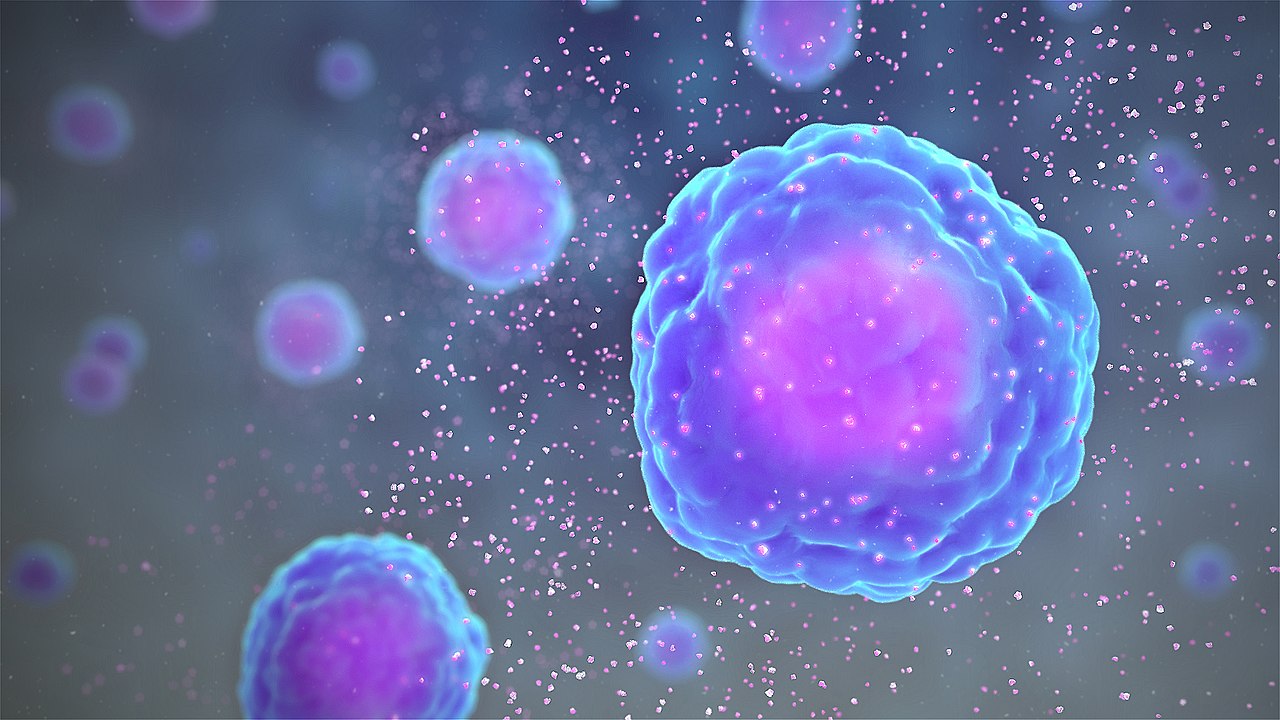
Soft tissue therapy applies mechanical stimulation to soft tissues for reducing pain and injuries. However, the understanding of how it works is still elusive. Does it affect the cellular and molecular level? A new study shed some light on the cellular mechanism. Studies tried to elucidate the effect at the cellular level using an
New research shows that deep pressure elicits similar pleasantness and calming effect as the affective C-tactile touch. Touch perception and cortical activation patterns for these two different types of touch are similar but distinct. The peripheral sensory afferents that transduce these sensations are different. The Social-Affective Touch Hypothesis proposes that gentle stroking and deep pressure
A new research shows that deep pressure elicits similar pleasantness and calming effect as the affective C-tactile touch. Touch perception and cortical activation patterns for these two different types of touch are similar but distinct. The peripheral sensory afferents that transduce these sensations are different. The Social-Affective Touch Hypothesis proposes that gentle stroking and deep pressure are
During the COVID-19 pandemic in China, all confirmed patients need to be treated in isolation. Patients under isolation will experience high levels of anxiety and low sleep quality. Some sleep-improving drugs may inhibit the respiratory system and worsen the condition. Therefore, researchers from Hainan hospital tried a muscle relaxation training to alleviate the anxiety
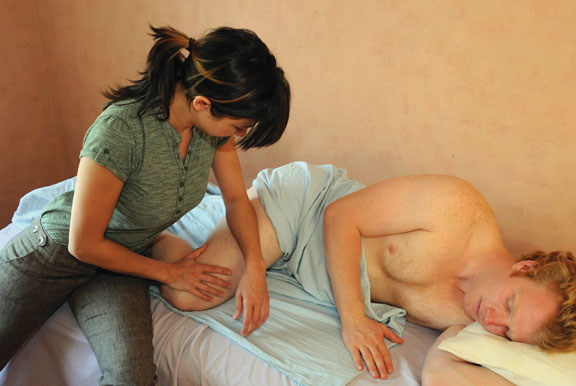
Postmastectomy pain is a highly painful condition with a neuropathic origin. This condition could also be aggravated by chemotherapy or radiotherapy. Some patients respond to massage while some may not, which could be due to how patients respond to stress or attitude toward massage. A study showed that breast cancer survivors with a positive attitude
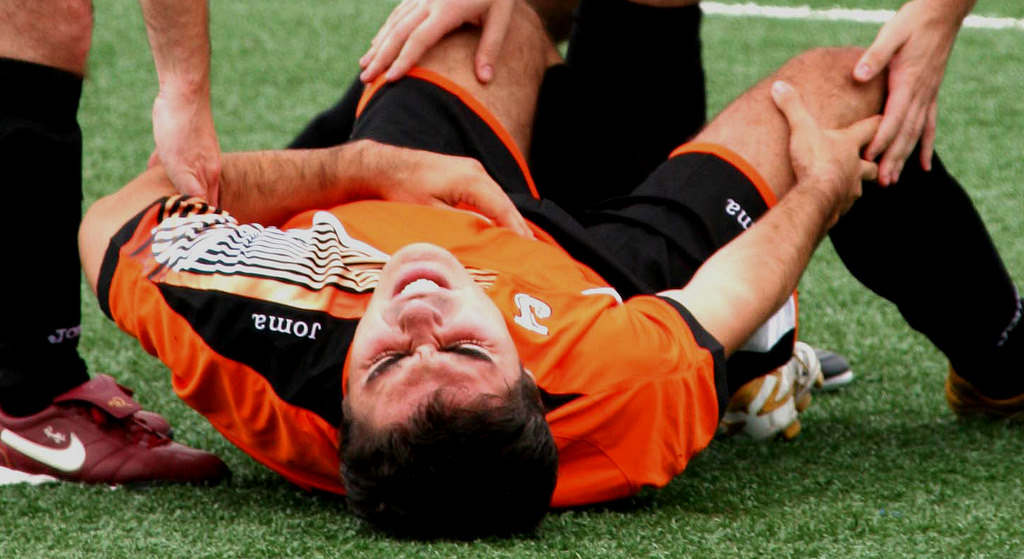
Injuries in sports are common, and the resulting pain limits the athletes’ activity. But pain has a weak connection to the degree of injury but a strong connection to the perception and body image. The main goal of treatment for sportspersons is pain relief and return to play as quickly as possible. Therapies in
Delayed-onset muscle soreness (DOMS) refers to pain and discomfort in people after participating in exercise and physical activities. This mechanically induced microtrauma results in muscle soreness associated with pain and weakness. The dull pain and discomfort are usually felt 6 to 12 hours and peaking 48 to 72 hours after exercise. There is still a
Pain is a complex process which involves the activation of central nervous system modulatory pathways that can attenuate or enhance the perceived pain via descending inhibitions or facilitations, respectively. Following an injury, nociceptive signal is transmitted to the dorsal horn of the spinal cord along primary afferent fibres. The signal is mediated to the Central