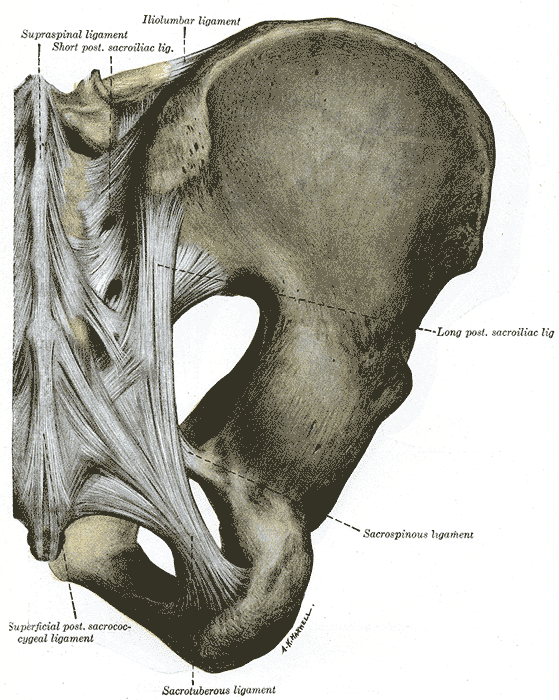
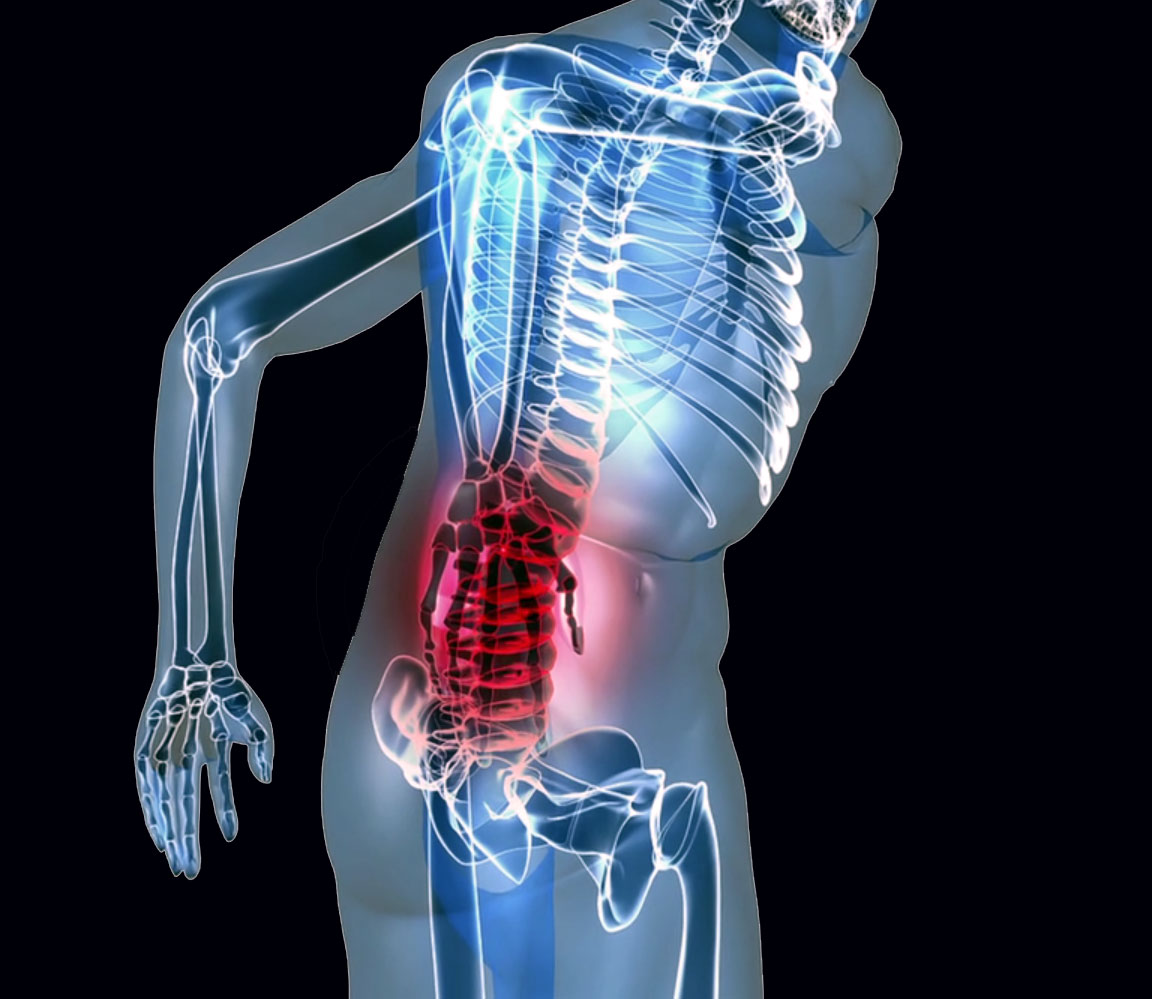
Sacroiliac pain, stability, and dysfunction are separate clinical concepts that should not be mixed. Sacroiliac joint (SIJ) is known as a pain generator, and is attributed as a cuause in 10-30% of low back pain cases. SIJ dysfunction also caused groin and thigh pain. An estimate that 44% of cases of SIJ pain are associated
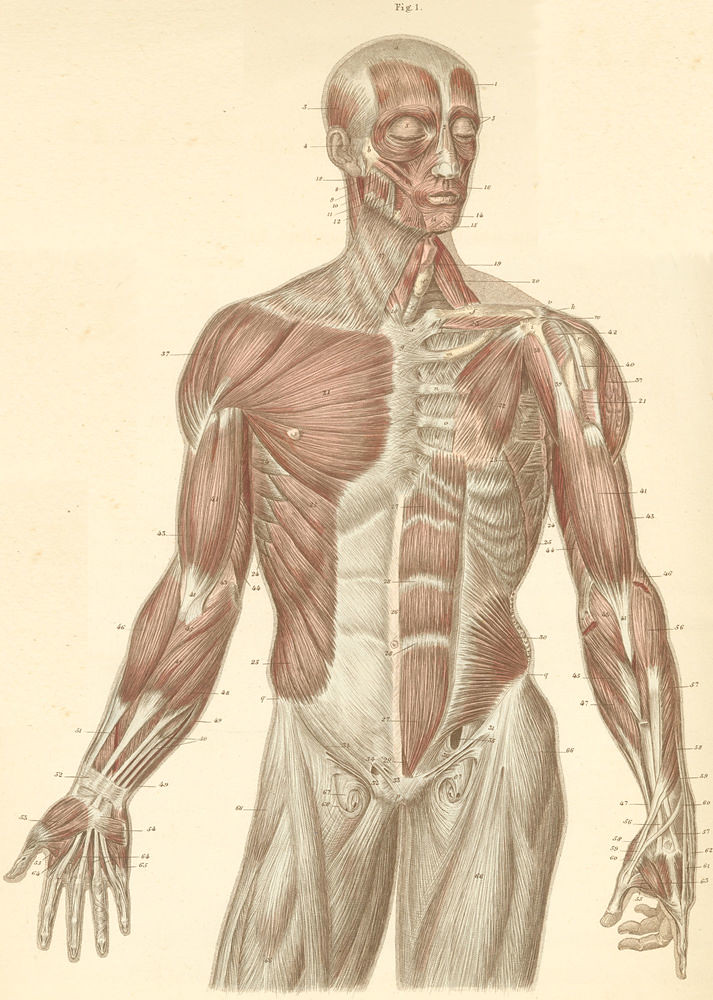
Myofascial chains or myofascial meridians describe the continuity between skeletal muscles and myofascial in-series. Their presence has been confirmed via scientific evidence in the trunk and lower extremity. Researchers Jan Wikle and colleagues try to see if the research literature has identified myofascial chain in the upper limb or shoulder-arm region. The study was published
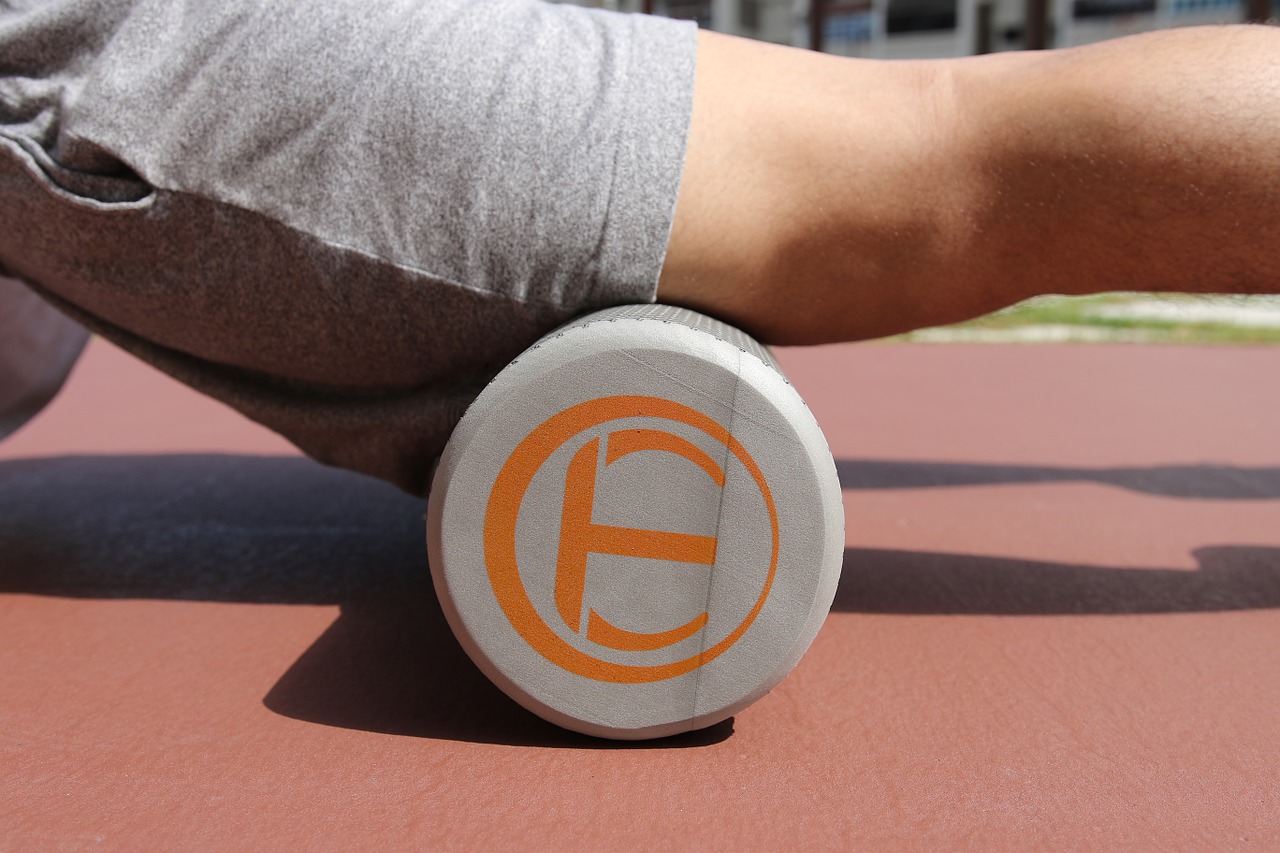
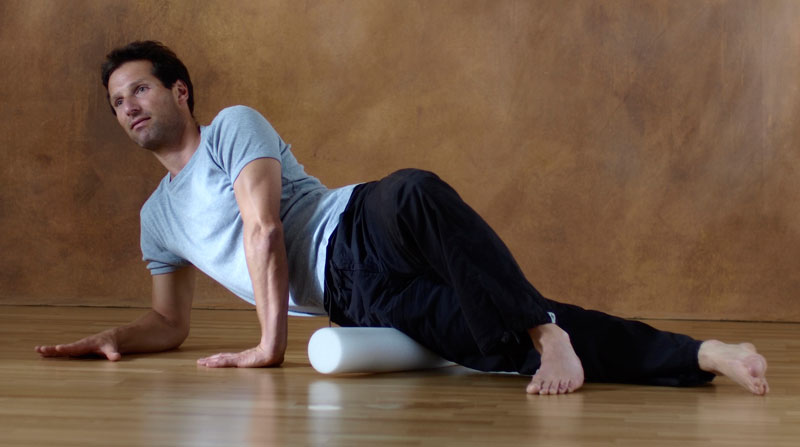
Self Myofascial Release is a term commonly used for the self-application of foam rollers or rolling massagers or balls to aid in the recovery of muscles from exercise or pain. The idea is to use one’s bodyweight to press against the roller over targeted muscles, treating trigger points or tight muscles. Research literature have found
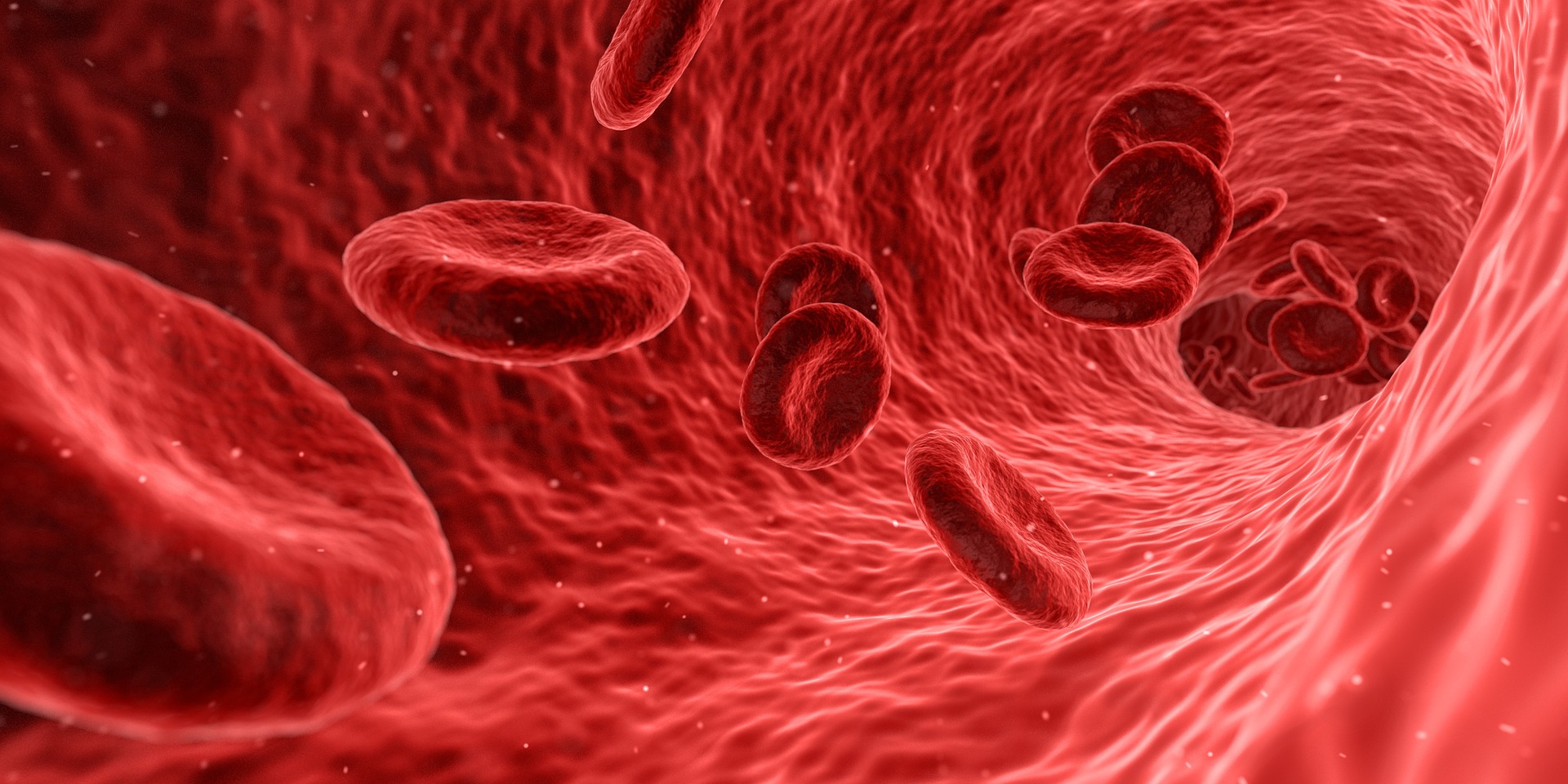
There is a myth that massage cannot increase blood circulation, and blood flow is only controlled by heart output. A real understanding of science would tell you otherwise. A review clarified the mechanism. Skeletal muscles while at rest, have a low muscle blood flow, constitutes approximately 20% of cardiac output. While during intensive exercise, about
Massage is one of the oldest natural healing approaches in human history. The Chinese utilised massage as a health treatment about 5000 years ago. Indian Ayurveda was dated around 3000 years ago. Ancient Greek physician, Asclepius (1200 BCE), used exercise combined with massage for health. Hippocrates (460-370 BCE), the father of medicine, mentioned the
Massage therapy is known to induce relaxation and provide emotional support for people suffering from depression. There is also an increasing amount of studies that show that massage therapy could significantly alleviate symptoms of depression. However, the mechanisms of the anti-depression effect is still unclear. In manual therapy, there is also interest in interoception, which
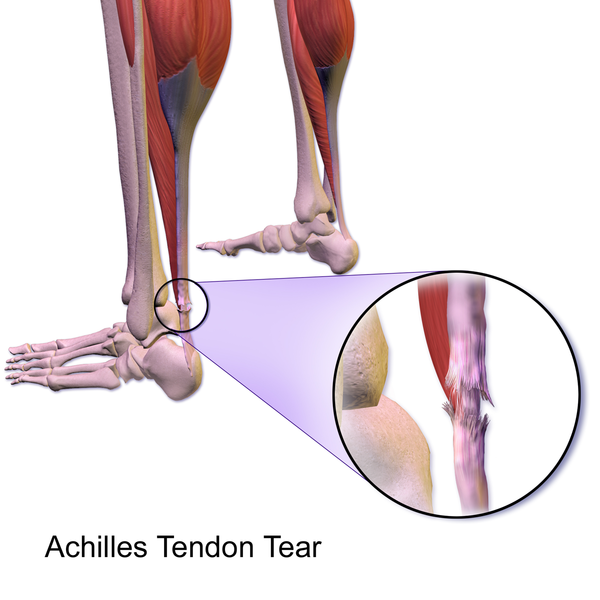
The Achilles tendon is the largest and strongest tendon in the human body, however it is also prone to injury. Achilles tendinopathy (AT) is characterised Achilles tendon pain, swelling and an impaired load-bearing capacity. AT is commonly seen in elite running athletes. However, it is also found that one-third of people with AT have sedentary
Foam rolling is an effective tool for improving the range of motion (ROM). Many studies have shown foam rolling could increase ROM of the hip, knee, and ankle without impairing muscular strength. Rolling of the quadriceps and hamstrings could increase ROM for knee flexion and hip flexion up to 5–12%. Nevertheless, the mechanism of this
A study from Canada investigated the effect of a session of massage on the physiological and clinical effects of muscle fatigue in nonspecific chronic low back pain (cLBP) individuals. The study also investigated if there’s an association between physiological and clinical changes induced by massage. Thirty-six cLBP individuals participated in 2 experimental sessions. In one
Cryotherapy is commonly utilized by clinicians to provide local analgesia for minor acute knee joint musculoskeletal injuries during breaks in play or at half-time. However, its effect on dynamic postural balance is still unclear. Decreased postural balance is a primary risk factor for lower limb injuries. Researchers from Dublin in Ireland investigated the acute effects