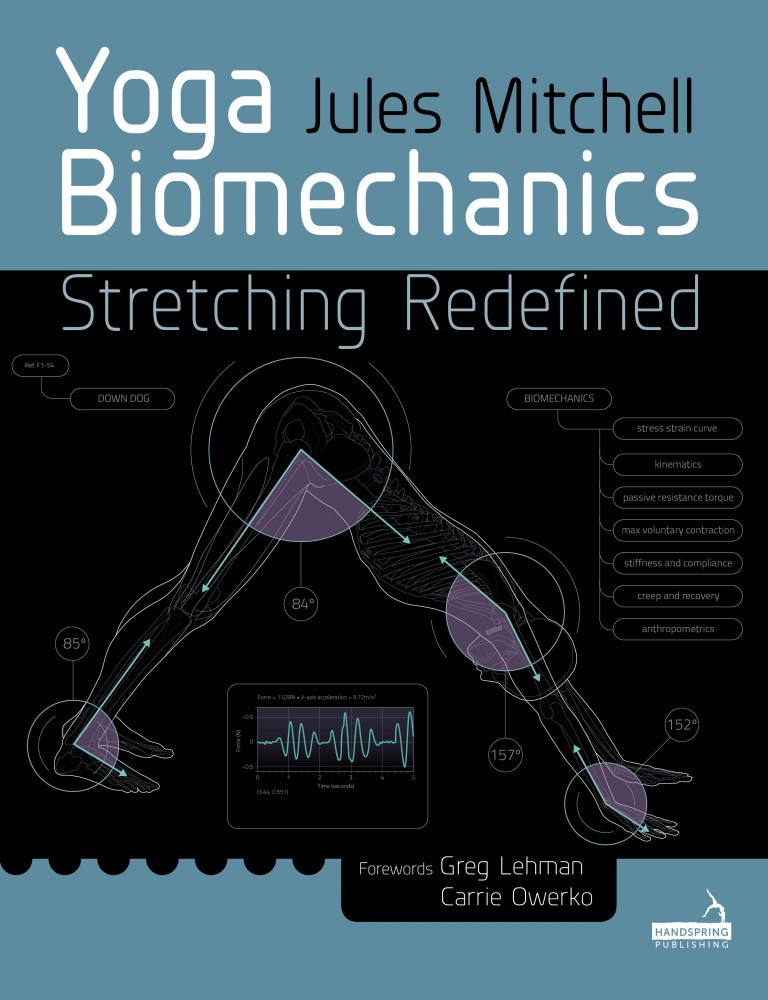
Jules Mitchell delves into the science behind stretching in her book Yoga Biomechanics: Stretching Redefined . Artfully woven throughout the book is a sub-text that improves the reader’s research literacy while making an impassioned plea for the role of research in the evolution of how teachers teach, and how practitioners practice. Yoga teachers and yoga practitioners alike
Jules Mitchell delves into the science behind stretching in her book Yoga Biomechanics: Stretching Redefined . Conventional approaches to modern yoga are examined through a biomechanist’s lens, highlighting emerging perspectives in both the rehabilitation and sport science literature. This article is an excerpt from Yoga Biomechanics: Stretching Redefined by Jules Mitchell, copyright of Handspring publishing (2019). Stretch tolerance describes the
Jules Mitchell in her book Yoga Biomechanics: Stretching Redefined asks this question to explore the scientific literature on stretching for a deeper understanding of biomechanics. The book provides a unique evidence-based exploration into the complexities of human movement. The following article is an excerpt of the book, courtesy and copyright of Handspring publishing. Surprisingly, the bulk of the research
Reiki in Hospitals- Cancer Patients Three of the most prestigious cancer hospitals in the USA, as ranked by US News, are: (i) MD Anderson Cancer Center, Texas; (ii) Memorial Sloan Kettering Cancer Center, New York; (iii) Mayo Clinic, Minnesota . All three of these hospitals offer Reiki to their patients. MD Anderson Cancer Center is
According to an International Association of Reiki Professionals (IARP) study, 60% of “America’s Best Hospitals” (the top 25 ranked by US News and World Report in 2002) had Reiki programs in place. All hospitals using Reiki indicated that they thought Reiki was at least somewhat beneficial for patients, and 67% said they believed Reiki to
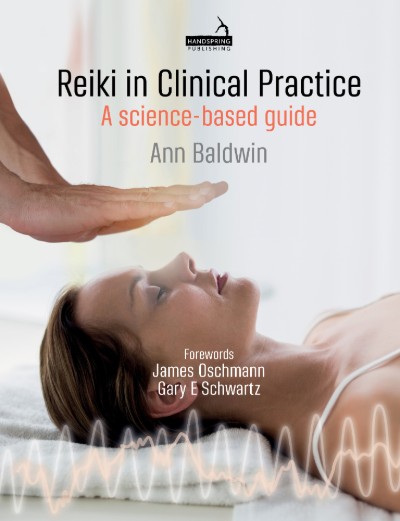
Reiki has been used in hospital operating rooms since the mid-1990s. Hospitals are incorporating it into their options for patient services, often with their own Reiki-trained volunteers, nurses, physicians and support staff. This article is an excerpt from Reiki in Clinical Practice by Amy Baldwin (copyright Handspring Publishing, 2020). Available at: https://terrarosa.com.au/product/books/energy-therapy-books/reiki-in-clinical-practice/ A 2010 American Hospital Association
Amy Baldwin in Reiki in Clinical Practice provided a review of the current peer-reviewed studies on Reiki. The following article is an excerpt of the book (Handspring Oublishing, 2020), Chapter 2 “Why Should Therapists Trust that Reiki is an Effective Therapy?” Baldwin and colleagues found 77 peer-reviewed, published Reiki research articles from 1996-2019. Center for
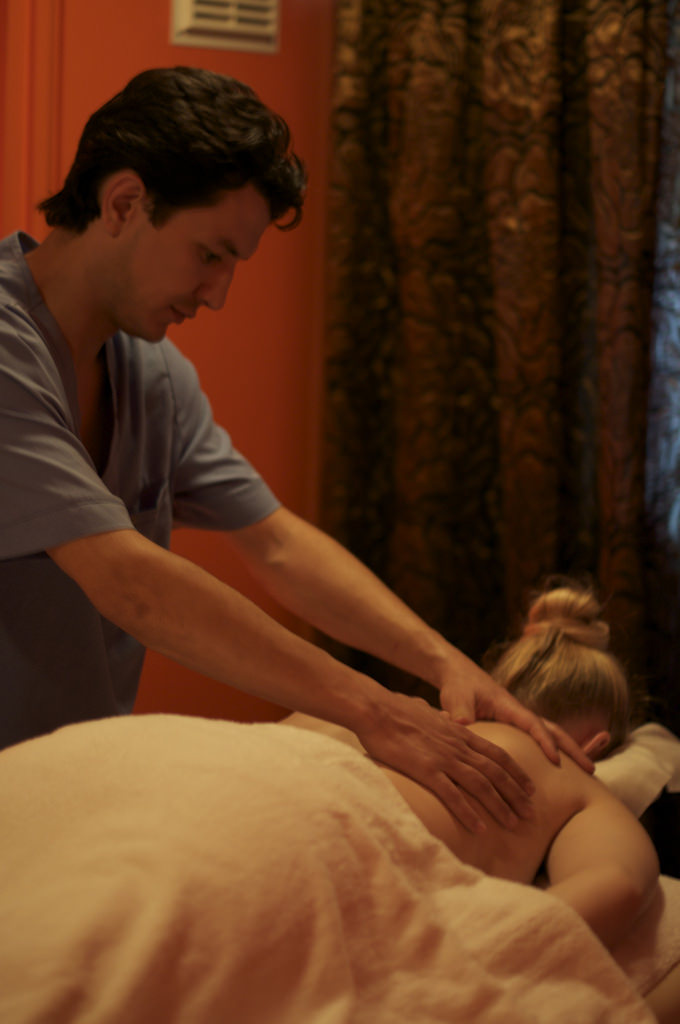
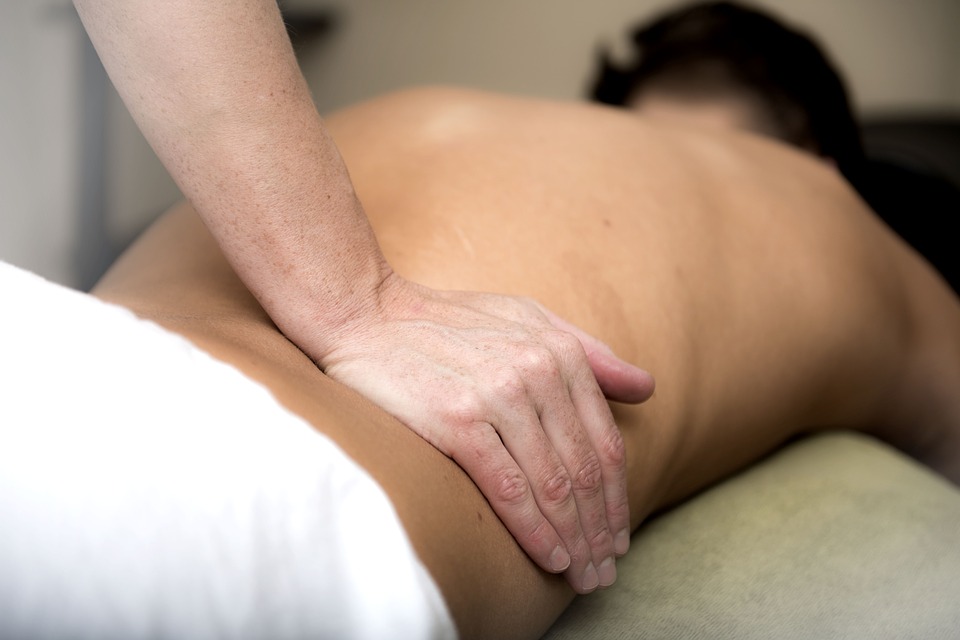
Recently there is an interest in the role of touch and interoception, “the sense of the physiological condition of the entire body.” In particular, affective touch has been shown to affect low-conducting unmyelinated C-tactile (CT) fibres, which trigger a general sense of well-being. This suggests a neurobiological component in manual therapies. Researchers from the University
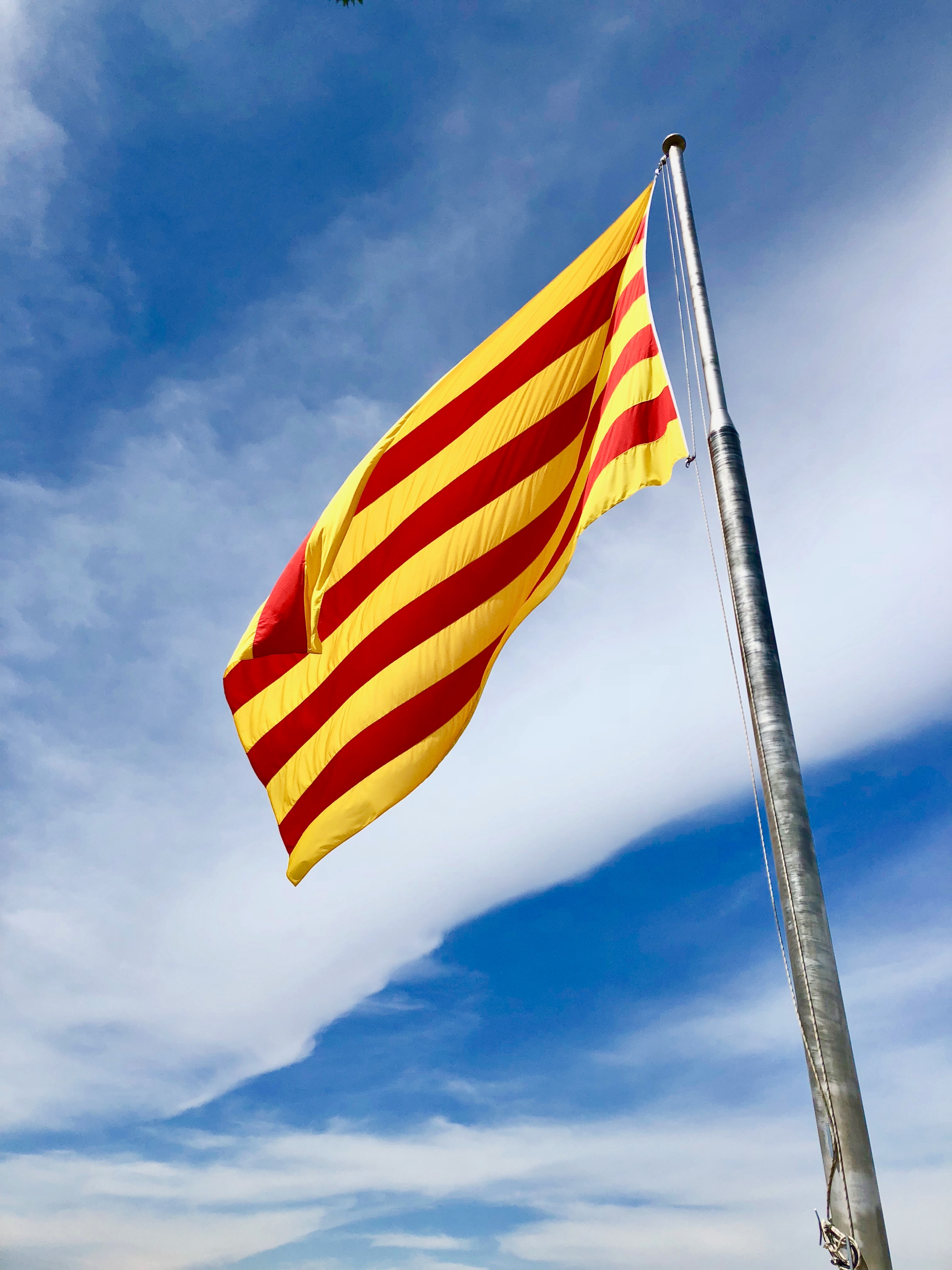
Two monks were arguing about a flag flapping in the wind. One said. “the flag is moving”, while the other monk argued, “the wind is moving”. A wise old monk happened to be passing by. He told them: “Neither the flag nor the wind is moving, it is MIND that moves.” This Zen story has many interpretations,
Currently, there is a vast interest in pain science in manual therapy. The biopsychosocial framework suggested that lifestyle and psychosocial factors are the essential components of musculoskeletal treatment. Thus, in physiotherapy, there is a trend that pain education and exercise therapy are being recommended as evidence-based treatments. In contrast, manual therapy is considered as a