Massage Therapy, the Nervous System, and Emotional Processing
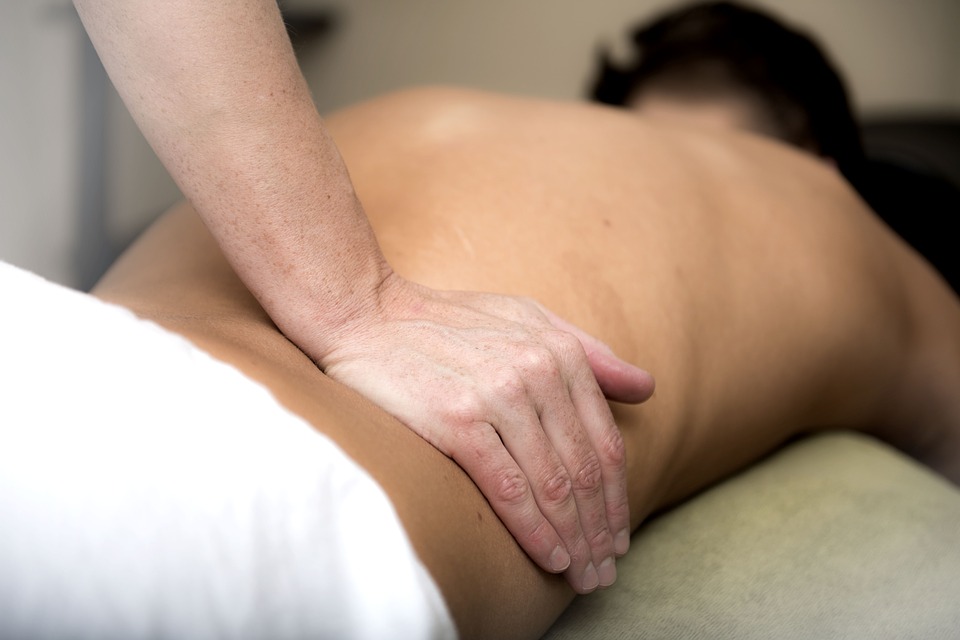
Massage therapy—and even simple physical touch—has been shown to trigger measurable changes in the body and nervous system. Beyond its well-known applications in musculoskeletal pain relief, massage is increasingly being explored in mental health contexts, including generalized anxiety disorder, schizophrenia, and anorexia nervosa. Despite growing evidence of its benefits, the exact mechanisms remain only partially understood.
One of the leading explanations is parasympathetic nervous system (PNS) activation. Moderate-pressure massage stimulates skin pressure receptors, increasing vagal nerve activity, which slows heart rate, reduces blood pressure, and shifts the body away from a sympathetic “fight-or-flight” state toward a parasympathetic “rest-and-digest” mode. This PNS engagement appears to be a key pathway for emotional regulation and stress reduction.
Neuroscience research supports this view. EEG, fMRI, and PET studies have shown that massage can alter brain activity in areas linked to mood regulation, attention, and the default mode network (DMN)—the network active during self-referential thinking and mind-wandering. In turn, these changes can influence perception, emotional processing, and attentional control.
Myofascial Induction Massage and Emotional Perception
A research study focuses on a type of massage called Myofascial Induction Massage. This technique gently works on muscles and the connective tissue around them to release tension.
In the observational study, a person looked at a series of photographs showing pleasant, unpleasant, and neutral scenes before and after a 20-minute session of Myofascial Induction Massage. While they looked at the images, researchers measured brain activity to see how much attention people paid to each type of picture and how strongly they reacted emotionally.
Two main brain responses were studied:
- An early response that shows how much attention is given to what is being seen.
- A later response that shows how much emotional meaning is being attached to the image.
Key Findings
-
Increased attention to emotional images
After massage, people paid more attention to unpleasant and neutral pictures, suggesting their brains were more alert and engaged. -
Better emotional control
People showed a smaller emotional reaction to both pleasant and unpleasant images after massage. This may mean they could process the images without becoming as emotionally overwhelmed. -
Overall boost in attention
Attention increased not only for emotional images but also for neutral ones, suggesting that massage may make the brain more generally ready to focus. -
Changes across the brain
These changes seemed to involve both the back parts of the brain, which process visual information, and the front parts of the brain, which help control emotional responses.
What This Means for Therapists
- Helps with emotional regulation – Massage may help people respond to emotional situations in a calmer, more balanced way.
- Supports focus and presence – Clients may find it easier to concentrate after a session.
- Useful for mental health support – Massage could be a helpful complement to other therapies for stress, anxiety, and trauma.
- Integrates body and mind – The technique works on both the physical and emotional levels, offering a holistic approach.
Limitations and Future Research
The study was small and only involved men, so the results may not apply to everyone. More research with larger and more diverse groups is needed to confirm these findings. It would also help to study how often sessions should be given and how different people respond over time.
Takeaway for Practice
Massage—especially Gentle Myofascial Massage—may do more than relax muscles. It can help the brain pay attention, manage emotions, and support overall wellbeing. For therapists, it offers a valuable way to work with both the body and the mind to help clients feel more balanced and resilient.
Neck Muscle Stiffness is Not Related to Neck Pain
Tendinopathy Is Not Just a Tendon Problem

Functional impairment following DOMS is related to mechanosensitive nociceptors
About The Author
