Exercise in Cancer Care
Exercise is no longer viewed simply as a lifestyle recommendation for people living with and beyond cancer. It is increasingly recognised as a therapeutic intervention that can improve function, reduce treatment-related symptoms and, in some settings, influence important clinical outcomes.
Cancer treatments such as chemotherapy, radiotherapy, surgery, targeted therapies and immunotherapy can produce a wide range of long-term consequences, including peripheral neuropathy, fatigue, pain, weakness, lymphedema, cardiotoxicity, breathlessness, cognitive impairment and psychological distress. Survivors are also at increased risk of obesity, diabetes and cardiovascular disease.
For therapists, this means rehabilitation is no longer peripheral to oncology care. It is becoming part of the treatment continuum.
Exercise has moved beyond symptom management
The strongest evidence supports exercise for improving physical function, fatigue, cardiorespiratory fitness, muscle strength and quality of life during and after cancer treatment.
Perhaps the most important recent development is evidence that structured exercise may also influence cancer outcomes in selected populations.
The CCTG CO.21 CHALLENGE trial followed 889 people with stage II–III colon cancer after chemotherapy. Participants undertaking a structured three-year exercise program experienced a 28% reduction in disease recurrence or new primary cancers and a 37% reduction in all-cause mortality over long-term follow-up.
This is an important result, but it needs careful interpretation. It demonstrates a survival benefit in stage II–III colon cancer survivors. It does not establish that exercise produces the same anti-cancer effect across all cancers, treatment stages or patient groups.
For therapists, the message is nevertheless significant: exercise should increasingly be regarded as part of evidence-based cancer rehabilitation rather than an optional addition.
How might exercise influence tumour biology?
Several biological mechanisms are being investigated.
One involves the tumour microenvironment. Tumours often contain poorly organised blood vessels, hypoxic regions, high interstitial pressure and an extracellular matrix that can restrict immune-cell penetration and treatment delivery.
In animal studies, exercise can improve tumour perfusion, reduce vascular leakage and increase oxygenation. Better perfusion could potentially improve chemotherapy delivery while reducing some of the hypoxic conditions that support tumour progression.
However, most of the dramatic changes reported in tumour oxygenation and vascular function come from animal models. Comparable effects have not yet been consistently demonstrated in human cancer populations.
Therapists should therefore distinguish between established clinical benefits of exercise and promising mechanistic explanations that remain under investigation.
Exercise and the immune system
Acute exercise produces a rapid mobilisation of immune cells, particularly natural killer cells and T lymphocytes.
These cells are important for recognising and eliminating abnormal cells. Preclinical research suggests exercise may also increase immune-cell infiltration into tumours and potentially improve responsiveness to immune checkpoint therapies.
There is considerable interest in combining exercise with treatments such as anti-PD-1 and anti-PD-L1 immunotherapy. Animal experiments suggest exercise may create a tumour environment that is more favourable to cytotoxic T-cell activity.
Human evidence for a true exercise–immunotherapy synergy, however, remains limited.
Exercise can therefore be recommended confidently for its established rehabilitation benefits, but therapists should avoid telling patients that exercise has been proven to make immunotherapy work better.
Metabolic effects may also matter
Exercise improves insulin sensitivity and glucose handling while helping control body composition.
This may be particularly important in cancer survivorship because insulin and insulin-like growth factor-1, or IGF-1, are involved in cellular growth signalling.
Exercise studies in some cancer survivor populations have reported reductions in circulating IGF-1 and increases in IGF-binding proteins, potentially reducing growth-promoting signalling.
Regular physical activity is also associated with lower mortality in observational studies of cancer survivors.
These systemic metabolic effects provide another plausible connection between exercise and long-term cancer outcomes.
What about fascia?
An emerging and much more speculative area concerns the relationship between fascia, autonomic regulation and the tumour microenvironment.
Fascia is increasingly recognised as an active connective-tissue network containing sensory and autonomic innervation, blood vessels, fibroblasts and extracellular matrix. It responds to mechanical loading and contributes to tissue mobility, force transmission and interstitial fluid dynamics.
Cancer-associated fibroblasts and extracellular matrix remodelling can make tumour tissue increasingly stiff. Dense collagen, elevated myofibroblast activity and increased interstitial pressure can compress blood vessels and potentially restrict immune-cell access.
This has led to the hypothesis that physiological mechanical loading from exercise might influence fascial and stromal behaviour, improving tissue compliance, perfusion or fluid movement.
It is an intriguing idea, but it remains a hypothesis.
There is currently no convincing human evidence that manual fascial treatment or exercise-induced fascial remodelling directly changes tumour behaviour.
For therapists, fascia-directed interventions should therefore remain supportive treatments aimed at improving symptoms, mobility and function—not tumour-directed therapies.
The autonomic nervous system may be another piece of the puzzle
Cancer and its treatments can also disrupt autonomic regulation.
Reduced parasympathetic activity and increased sympathetic tone have been reported in some cancer populations. Exercise appears capable of improving heart-rate variability, an indirect measure of autonomic regulation.
Meta-analyses suggest that combined aerobic and resistance exercise can improve measures such as SDNN and RMSSD, which are commonly interpreted as reflecting improved autonomic flexibility.
This may contribute to better cardiovascular recovery and general resilience during survivorship.
But heart-rate variability should not yet be regarded as a clinical cancer biomarker. Similarly, sophisticated measures such as HRV spectral analysis and shear-wave elastography remain investigational in oncology rehabilitation.
What should therapists prescribe?
Current exercise guidance generally encourages people with cancer to avoid inactivity and, when medically appropriate, work toward:
🚶 around 150 minutes per week of moderate aerobic activity
🏋️ at least two resistance-training sessions per week
🧘 mobility, balance and flexibility work according to individual need
The prescription must be adapted to the patient.
Peripheral neuropathy may increase falls risk. Bone metastases may require modification of loading. Anaemia can reduce exercise tolerance. Cardiotoxic chemotherapy or targeted therapy may require cardiovascular assessment. Surgery, lymphedema, fatigue and immunosuppression can also influence exercise selection and progression.
Starting conservatively and progressing according to symptoms, function and medical status remains essential.
The practical message
Exercise oncology is evolving rapidly.
The strongest evidence supports exercise for improving physical function, fatigue, strength, cardiovascular fitness and quality of life. There is now compelling survival evidence in at least one major cancer population—stage II–III colon cancer survivors.
At the same time, emerging concepts involving tumour perfusion, immune surveillance, fascia, mechanotransduction and autonomic regulation are opening new directions for research.
For therapists, the distinction is important.
Exercise is already an evidence-based component of cancer rehabilitation.
The idea that fascia or autonomic modulation directly changes tumour biology is interesting—but not yet established.
The most useful clinical approach is therefore to use what is already well supported while remaining curious about the mechanisms that may eventually explain why movement and exercise can have effects extending far beyond muscle strength alone.
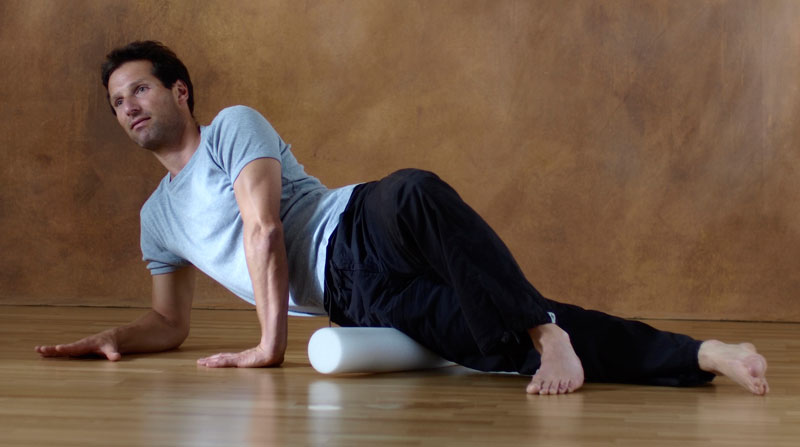
Foam Rolling Increases Range of Motion without Altering Muscles’ Morphology
Percussive Massage May Help Speed Up Muscle Recovery After ExerciseF
The Effect of Single Instrument-Assisted Manual Therapy of Lower Back in Female Soccer Players
About The Author
