Does Myofascial Release Really “Loosen” the Tissues?
Myofascial release is widely used to reduce stiffness, improve movement and relieve discomfort. Therapists may use massage, sustained pressure, instrument-assisted soft-tissue mobilisation or massage sticks with the intention of releasing fascia, relaxing muscles or changing the mechanical properties of tissue.
But does the technique actually make muscles, fascia or the muscle–tendon unit less stiff?
A recent systematic review from Brazil examined nine randomised controlled trials involving 291 mostly young, healthy adults. The studies investigated the immediate effects of manual and instrument-assisted myofascial release on muscle, fascia and muscle–tendon stiffness.
The overall finding was myofascial release did not produce a meaningful immediate reduction in muscle or muscle–tendon stiffness.
What did the studies find?
Four studies assessed the stiffness of the plantar-flexor muscle–tendon unit. When their results were combined, there was no statistically significant effect of treatment.
Similarly, the pooled results from studies measuring individual muscles showed almost no change in stiffness. This remained true whether the treatment was performed manually or with an instrument, and whether stiffness was measured using shear-wave ultrasound elastography or devices such as a myotonometer.
Most of the research focused on the calf muscles, although some studies examined the quadriceps, hamstrings and small muscles of the foot. Across these different tissues and measurement methods, the findings were broadly consistent.
Only one study reported a reduction of approximately 11% in plantar-fascia stiffness following instrument-assisted treatment. However, because this result came from a single study, it is not enough to conclude that myofascial release reliably changes fascial stiffness.
No eligible study directly examined tendon stiffness following therapist-applied myofascial release.
The evidence is still uncertain
The absence of a significant effect does not prove that myofascial release can never influence tissue stiffness. The available evidence is limited.
The studies were generally small, used different treatment durations, pressures and application speeds, and examined only immediate responses. Most participants were healthy adults in their twenties, rather than people experiencing pain, restricted movement or musculoskeletal conditions.
The certainty of the evidence was therefore rated as very low.
Why may movement still improve?
Many people demonstrate increased range of motion after massage, foam rolling or other soft-tissue techniques. Therapists may also observe reduced discomfort and easier movement even when tissue stiffness has not objectively changed.
These outcomes may be better explained by changes in the nervous system than by permanent mechanical deformation of the tissues.
Manual stimulation can influence sensory receptors, pain processing, muscle tone, body awareness and the person’s tolerance of stretching or movement. Changes in attention, expectations, perceived safety and relaxation may also alter how movement feels.
Increased range of motion may therefore reflect greater stretch tolerance rather than a physically lengthened or softened tissue.
Temporary changes in blood flow, temperature and sensory input may also contribute, although these mechanisms have not been adequately tested.
Rethinking the mechanical explanation
Traditional explanations sometimes claim that myofascial techniques break adhesions, release actin–myosin cross-bridges, liquefy fascia or permanently reorganise collagen.
These claims are difficult to reconcile with tissue mechanics. Tendons and dense connective tissues are designed to resist substantial forces. The pressure that can safely be applied through the skin is unlikely to permanently deform deep tissue structures within a few minutes.
Changes in fluid movement and sliding between tissue layers are possible, but evidence that such changes reduce tissue stiffness remains limited and inconsistent.
The word “release” may therefore be clinically useful as a description of the patient’s experience, but it should not automatically be interpreted as proof that fascia or muscle has been mechanically altered.

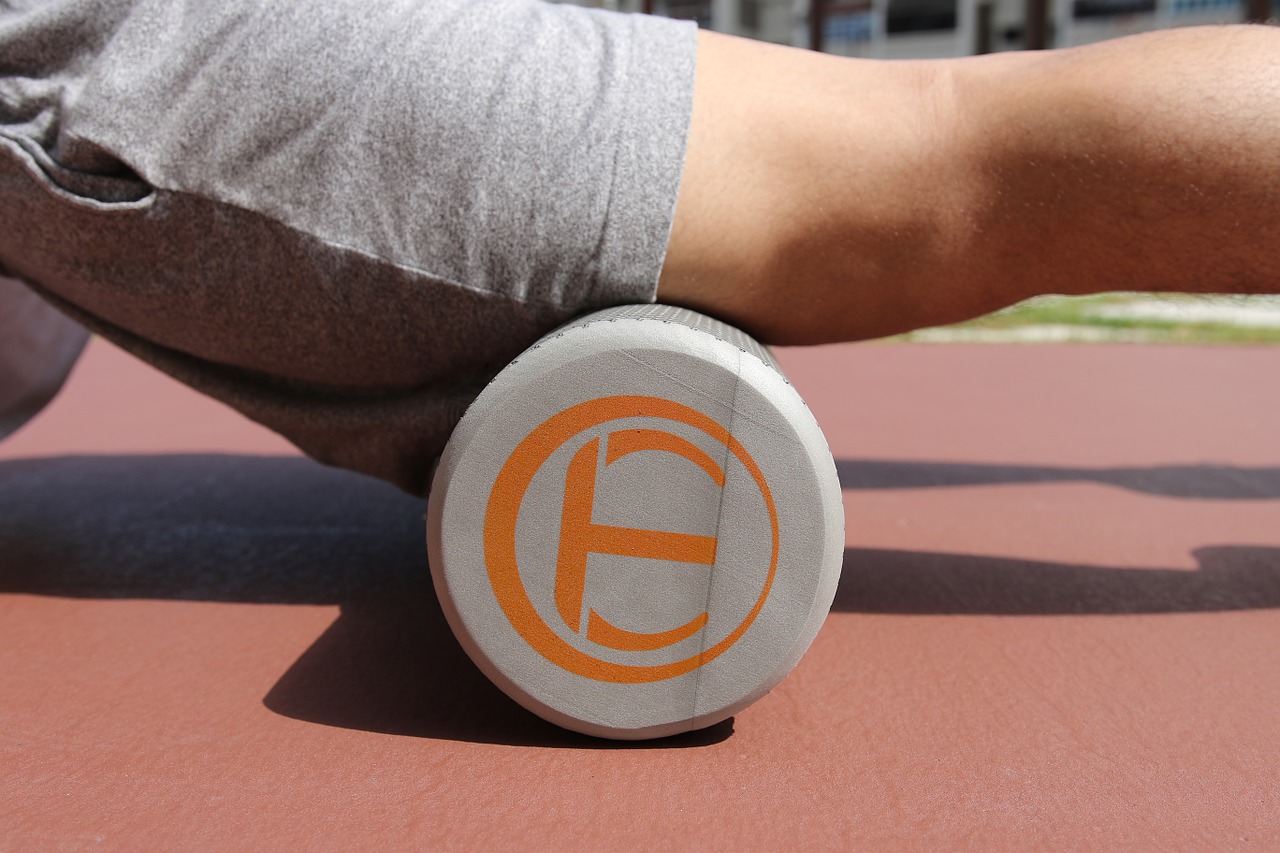
Does the density of a foam roller affect its therapeutic outcome?
Acute effects of lateral thigh foam rolling on arterial blood flow
Fascial Manipulation® – Stecco® method: The practitioner’s perspective
About The Author
