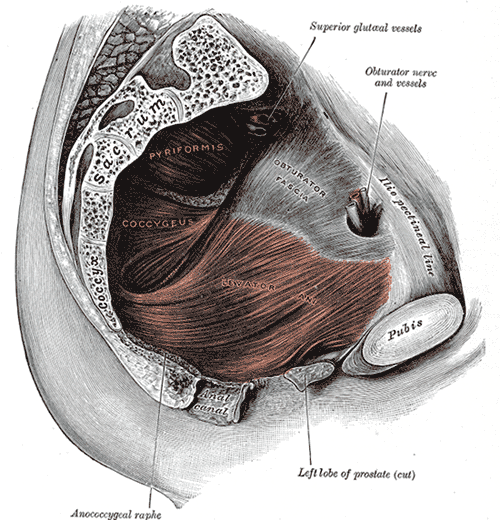
Chronic pelvic pain syndrome (CPPS) shows pelvic pain with common symptoms on the anterior abdominal wall, and the lumbosacral back or the buttocks. It is multifactorial pain disorder which could be due to structural and functional muscular abnormalities, dysfunctional pain systems, and psychological distress. Myofascial Therapy on the pelvic floor is commonly applied to improving
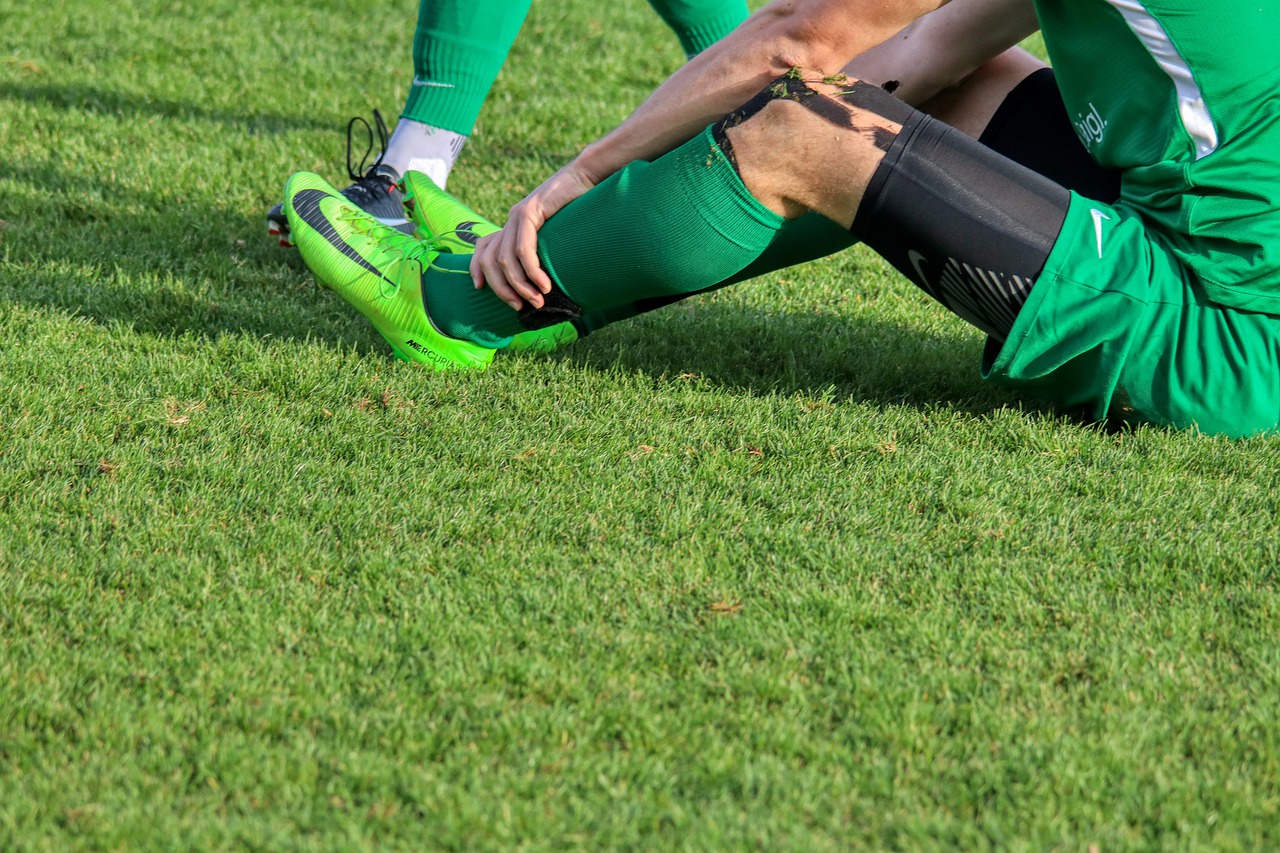
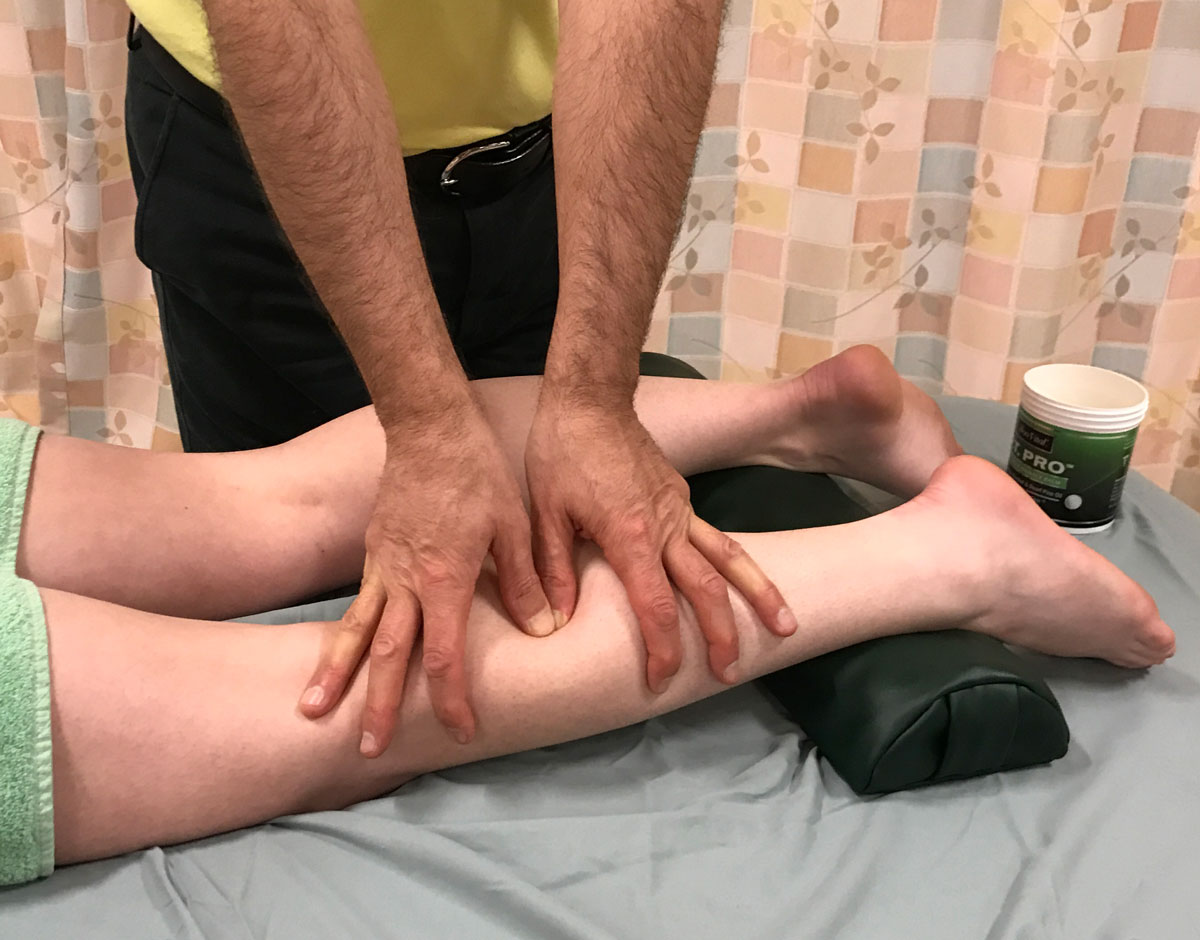
Muscle strain is one of the most common musculoskeletal injuries in sports athletes. Skeletal muscles and their tendons are not the only structures transmitting and bearing loads. Fascia has been demonstrated to have a role in force transmission with a close connection to the muscles. It is commonly assumed that strains in the soft tissue
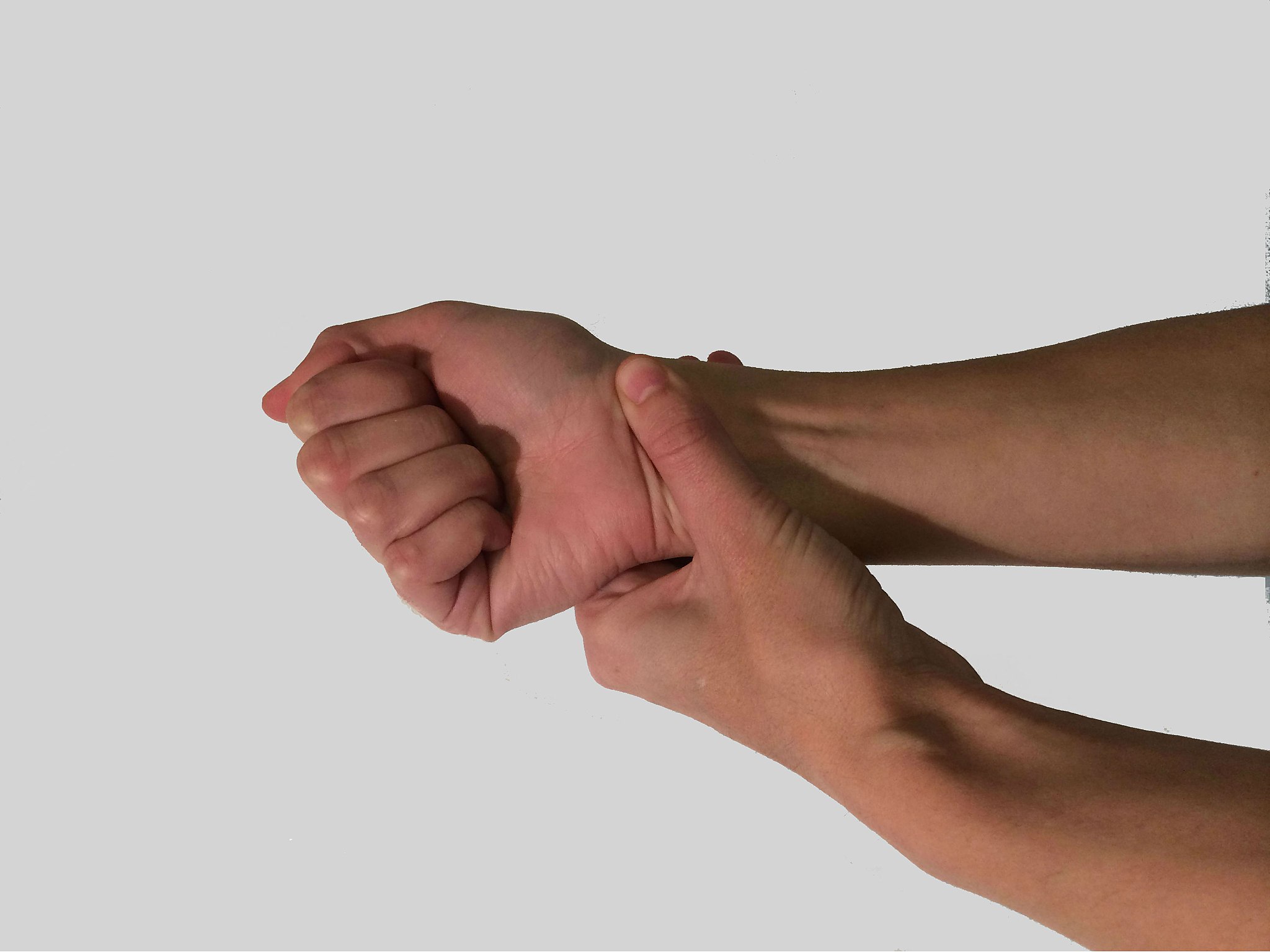
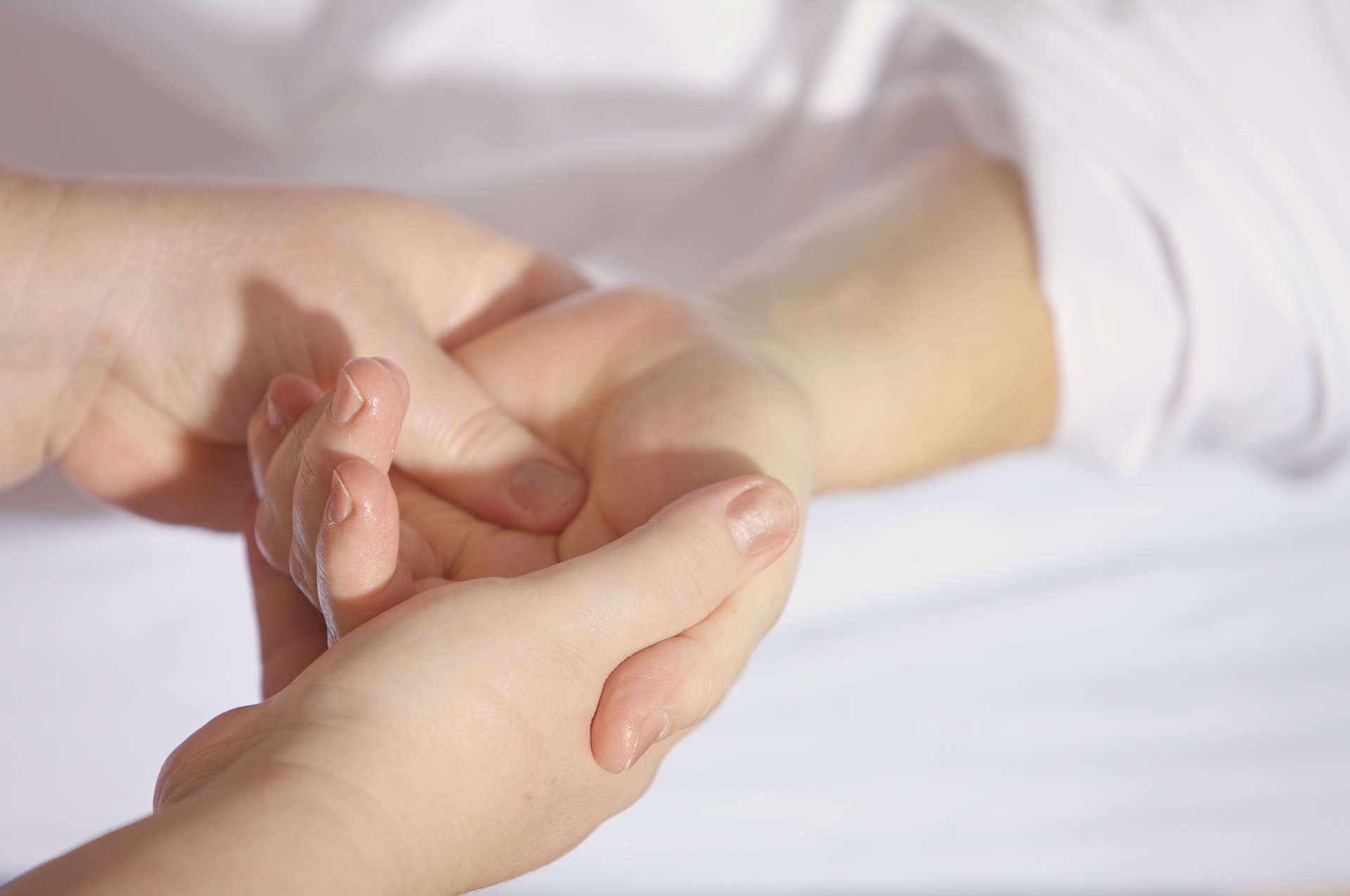
Carpal tunnel syndrome the most frequent debilitating condition of the hand, affecting 1 to 3% of the population. It is commonly described as the entrapment of the median nerve at the carpal tunnel. There is also a hypothesis that it is due to compression in the nerves serving the epineurium (outermost layer of connective tissue
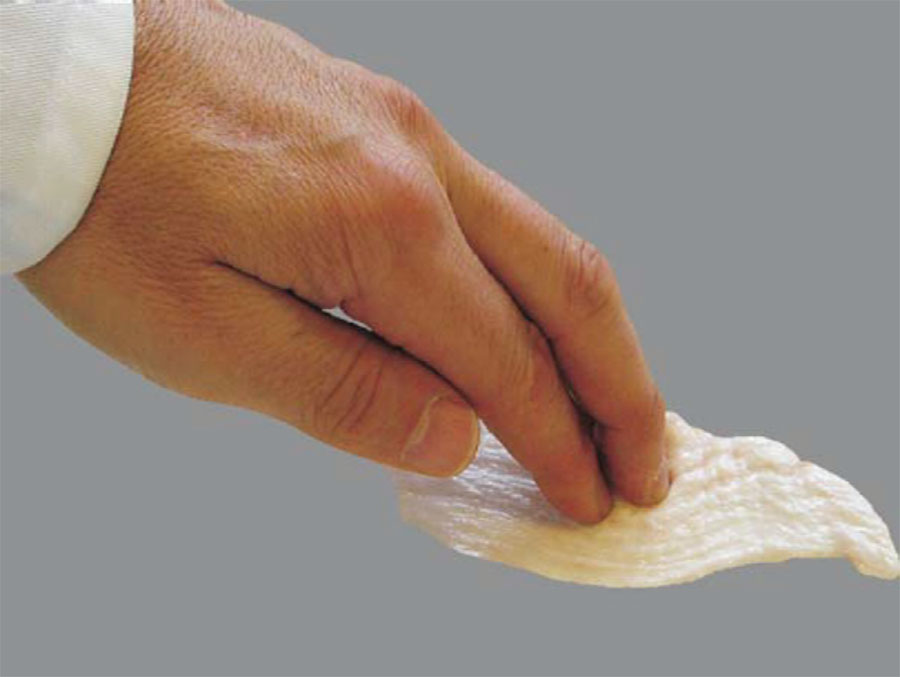
MFR reduces swelling and inflammation, attenuates myofascial pain, enhances wound healing. The mechanism on wound healing and regulation of the local inflammatory response attributed to fibroblasts, the primary cell type in connective tissue. Fibroblasts respond to mechanical stimuli leading to gene expression modifications and therefore are considered a target for MFR treatment. Researchers from the
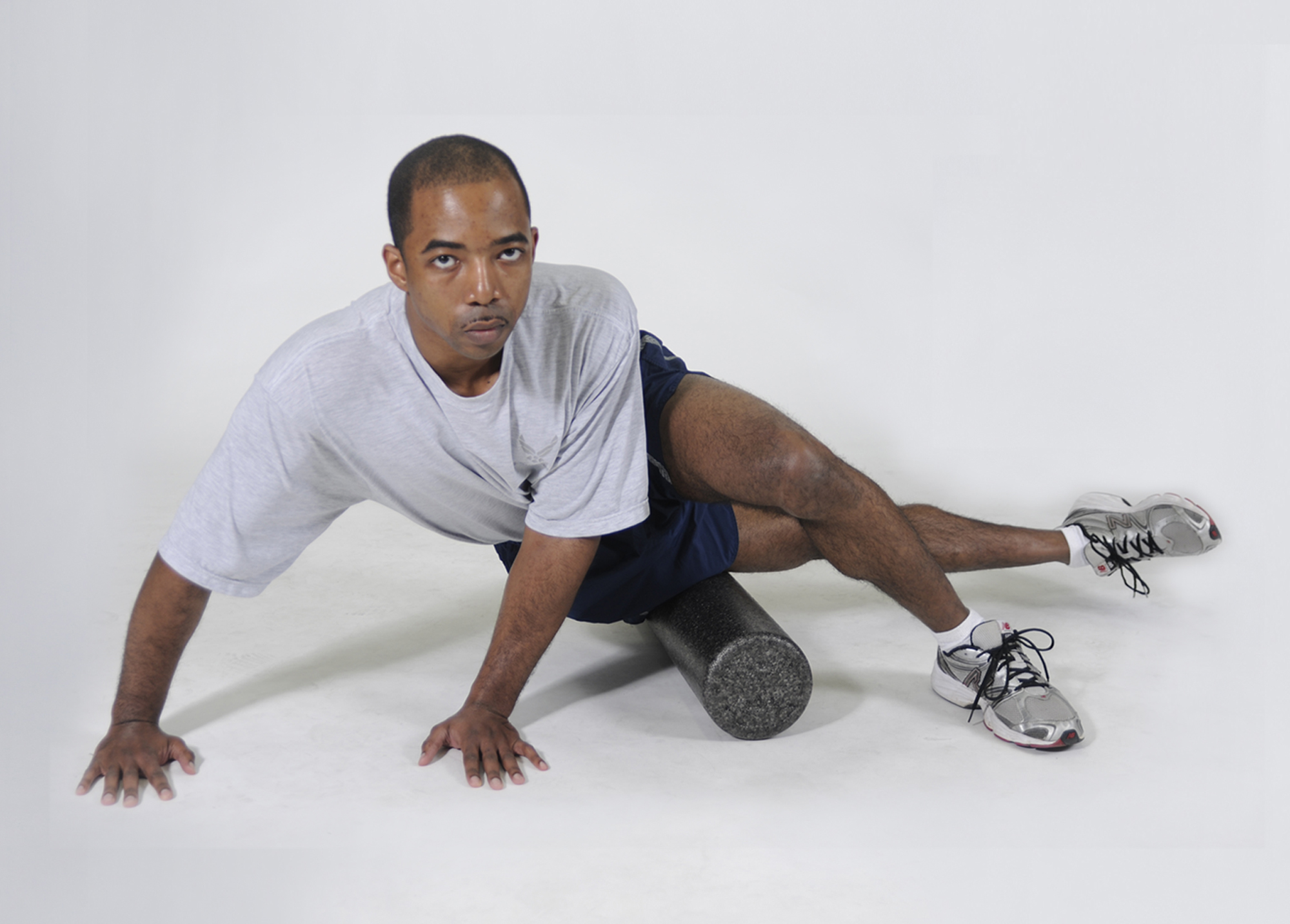
A study published in Journal of Sport Rehabilitation investigated muscle-specific and connective tissue-specific responses after foam rolling in recreational athletes with different rolling experience. The study was conducted with 40 participants, consisting of 20 foam rolling experienced and 20 non-experienced athletes. The intervention included 5 trials per 45 seconds of foam rolling of the lateral
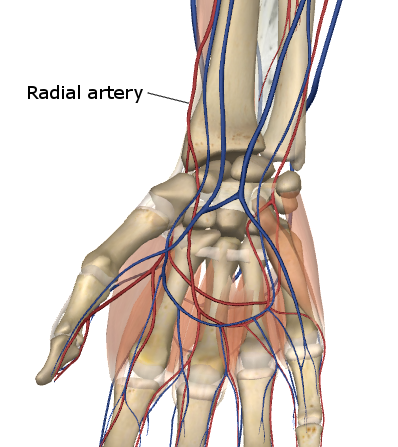
Arterial puncture or radial artery puncture is a medical procedure that is performed to obtain a sample of arterial blood for analysis. This procedure is often needed in critically ill patients, and it causes substantial pain and discomfort, but there is no effective intervention to reduce this pain. Hand massage has been shown to
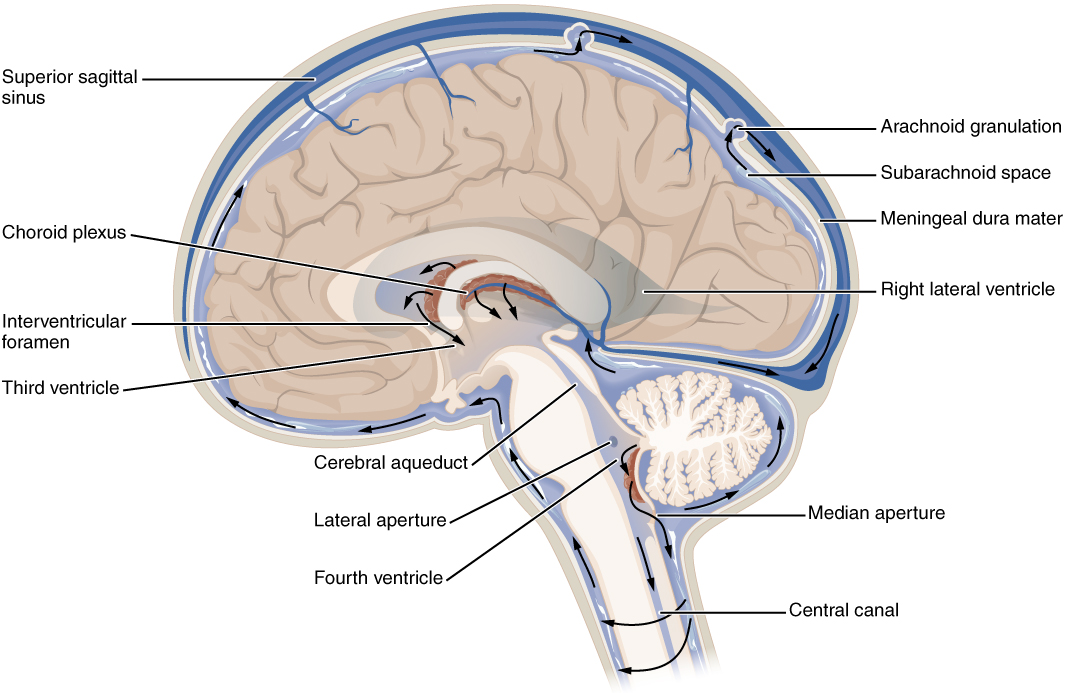
Sleep is vital for our health and wellbeing. Now, researchers at Boston University in Massachusetts found that during sleep, the cerebrospinal fluid flows in and out of the brain like waves, which could help clear metabolic wastes. The study published in the Nov 2019 issue of Science journal, scanned the brain of 13 participants while
Massage and touch therapy, are more effective than pharmacologic treatments for reducing aggression and agitation in adults with dementia according to a study published in Annals of Internal Medicine. Dementia, which can be caused by Alzheimer’s disease, causes brain cells to degenerate. Agitation, anxiety and aggression in dementia sufferers present a challenge in caring. Pharmacologic
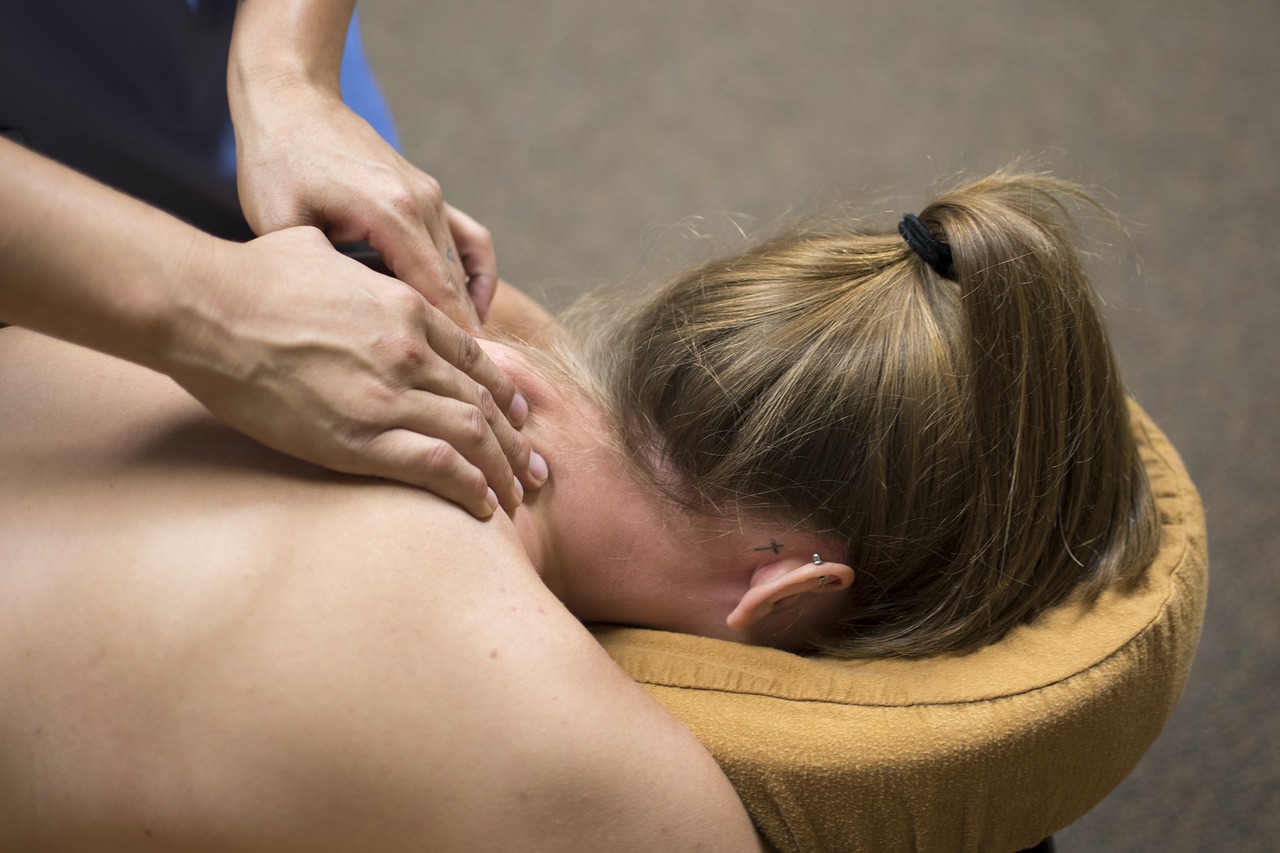
Neck pain is a common musculoskeletal complain, especially in office workers. Massage and exercise are commonly prescribed as a treatment. The short and long-term effect of massage and stretching & strengthening treatments as compared to pain education has not been well studied. Now, a large study from Sweden, has provided an evidence on the effectiveness
Use it or lose it. Conditions that require limb immobilization or extended be rest can lead to rapid muscle wasting. Medical interventions to prevent muscle disuse atrophy had limited success. Massage is known to prevent muscle dystrophy. In an experiment using rats, the application of massage, in the form of cyclic compressive loading to hindlimb