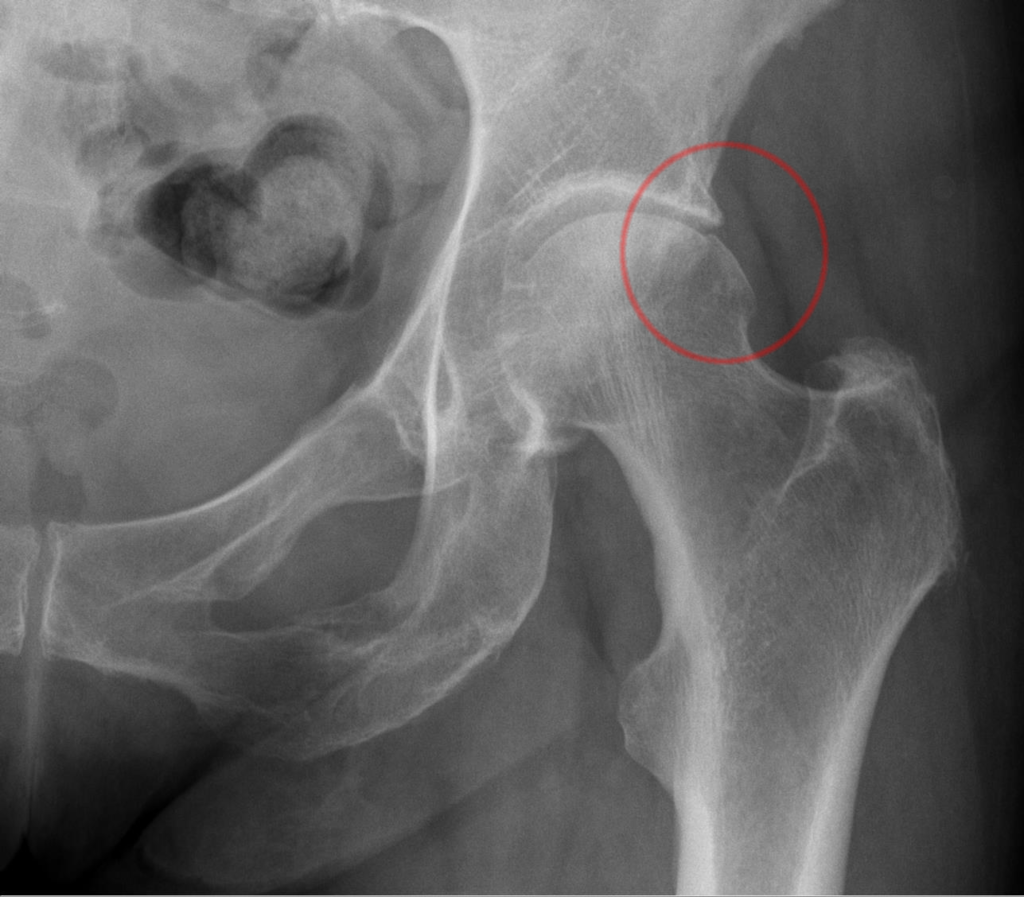
Hip joint impingement, better known as femoroacetabular impingement syndrome (FAI or FAIS), is a movement-related condition, which is usually caused by abnormal bone formation of the femoral head and/or the acetabulum. The abnormal bone formation is often genetic in origin. When it occurs at the femoral head, it is termed a cam deformity (“cam” is
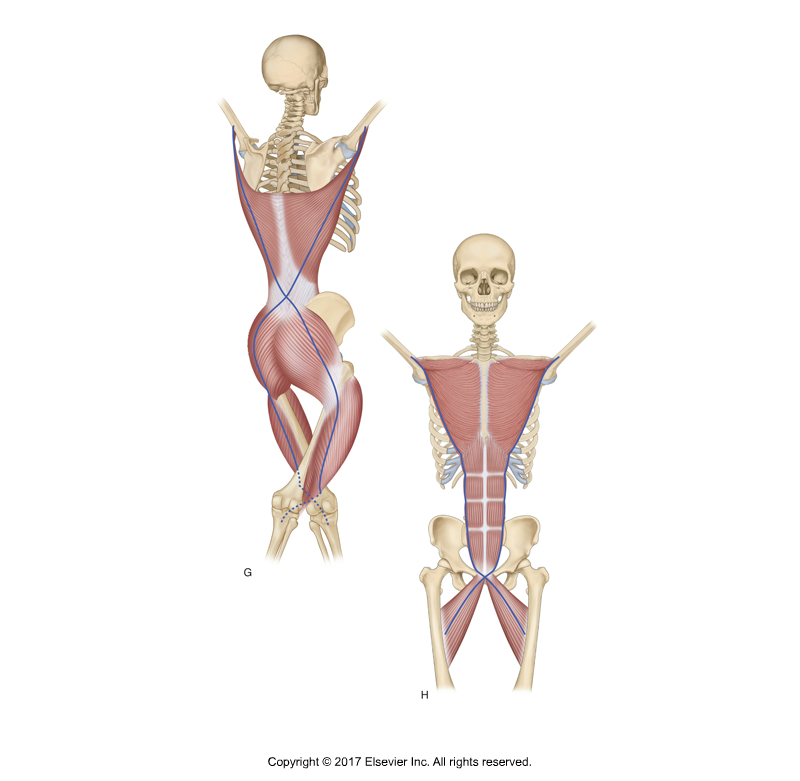
BACK AND FRONT FUNCTIONAL LINE MYOFASCIAL MERIDIANS. PERMISSION JOSEPH E. MUSCOLINO. KINESIOLOGY – THE SKELETAL SYSTEM AND MUSCLE FUNCTION, 3RD ED. (ELSEVIER, 2017). The Anatomy Trains Myofascial Meridians concept by Tom Myers is popular amongst manual and movement therapists. There are also several similar myofascial continuity or myofascial chain concepts proposed by different authors (e.g.
A recent social media post showed photos of Michael Phelps with rounded shoulders and forward head posture. Comments were made that there is no such thing as perfect posture. That all posture is normal, and surely biomechanics do not matter. The proof is Phelps who has won 28 Olympics medals despite his poor posture. However,
The myofascial continuity (also known as myofascial meridian or myofascial chain) concept suggests that muscles activate along kinematic chains that share common fascial coverings. Anatomical studies have confirmed the existence of this myofascial continuity, in particular the superficial back line. However, there is still no research that looks in the function of anatomical chains in
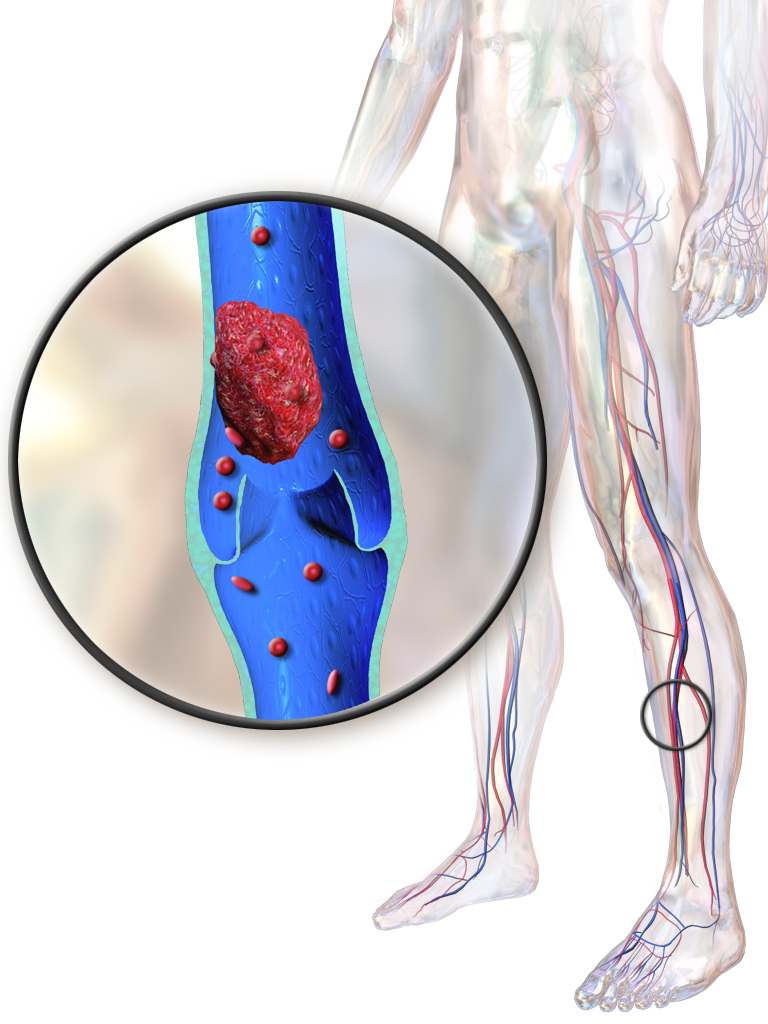
A case study of a 54-year-old cardiac patient who was admitted to hospital with a complaint of sudden pain in the legs associated with oedema, paraesthesia, and coldness was reported by physicians at the Medical School in São José do Rio Preto, Brazil The patient was diagnosed with arterial embolism (a blood clot blocks blood
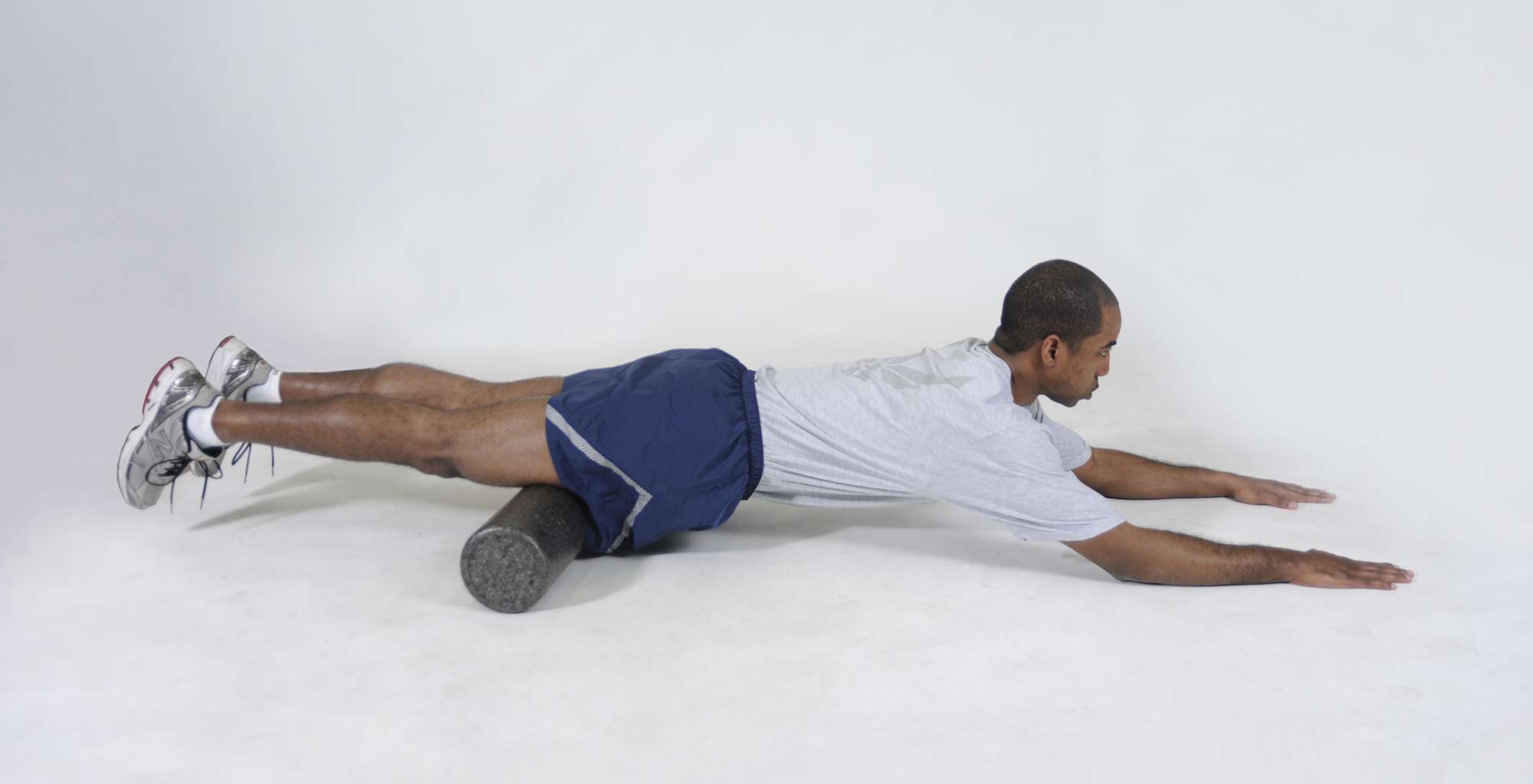
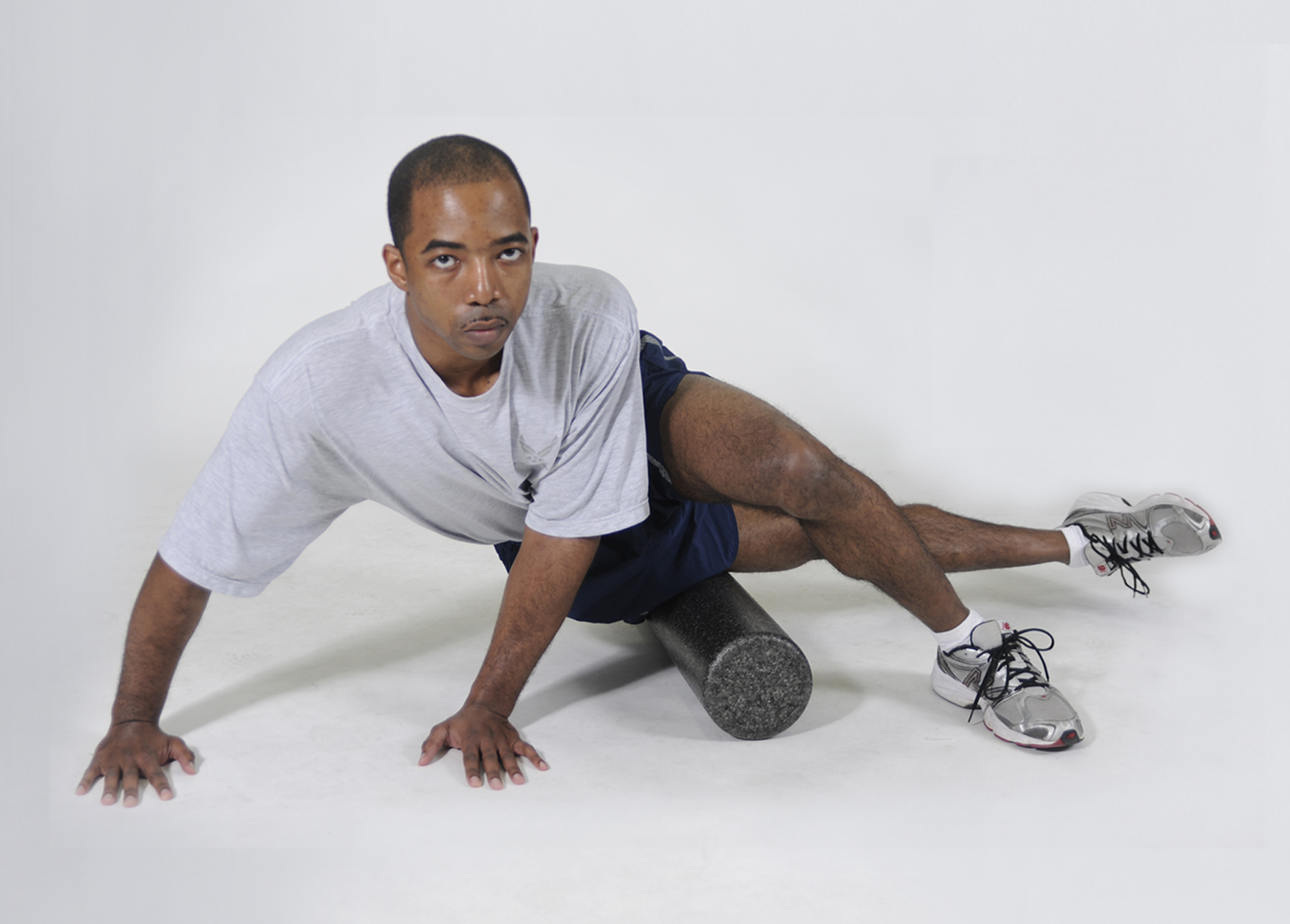
Foam rolling has been studied and showed to increase muscle flexibility. Foam rolling also produces a cross education or cross-over effect, meaning rolling a leg can affect the range of motion of the contralateral unrolled limb. A study from Spain explored further the effects of the application of a foam roller on the ankle dorsiflexion
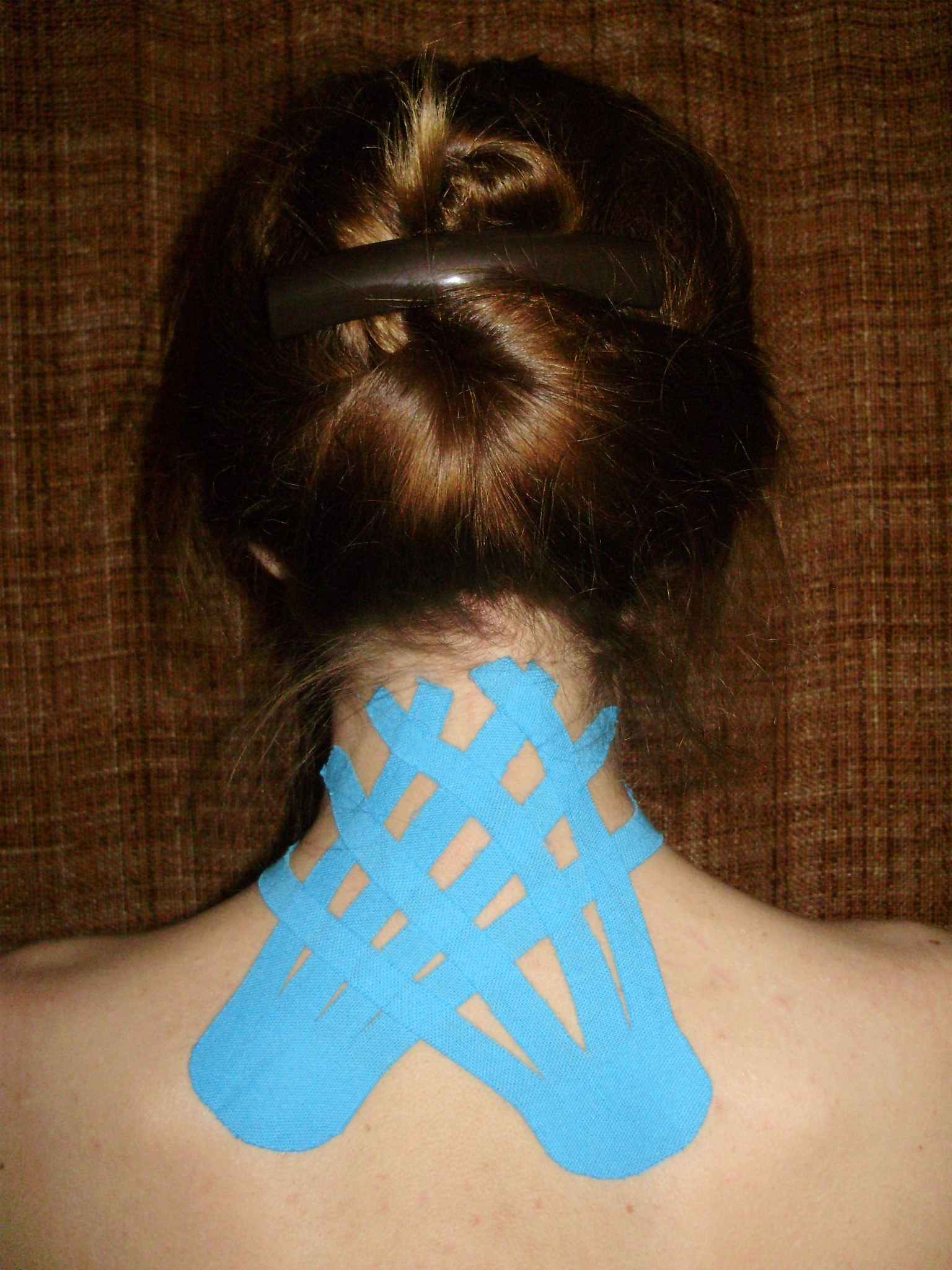
Systemic arterial hypertension, more commonly known as high blood pressure, is known to sometimes be associated with dysfunction of the autonomic nervous system. Neuromuscular taping (also known as Kinesiotaping or kinesiology taping) is usually prescribed to treat muscular pain, and lymphedema. It has been hypothesised that the tape stimulates dermatological, muscular, and fascial structures with
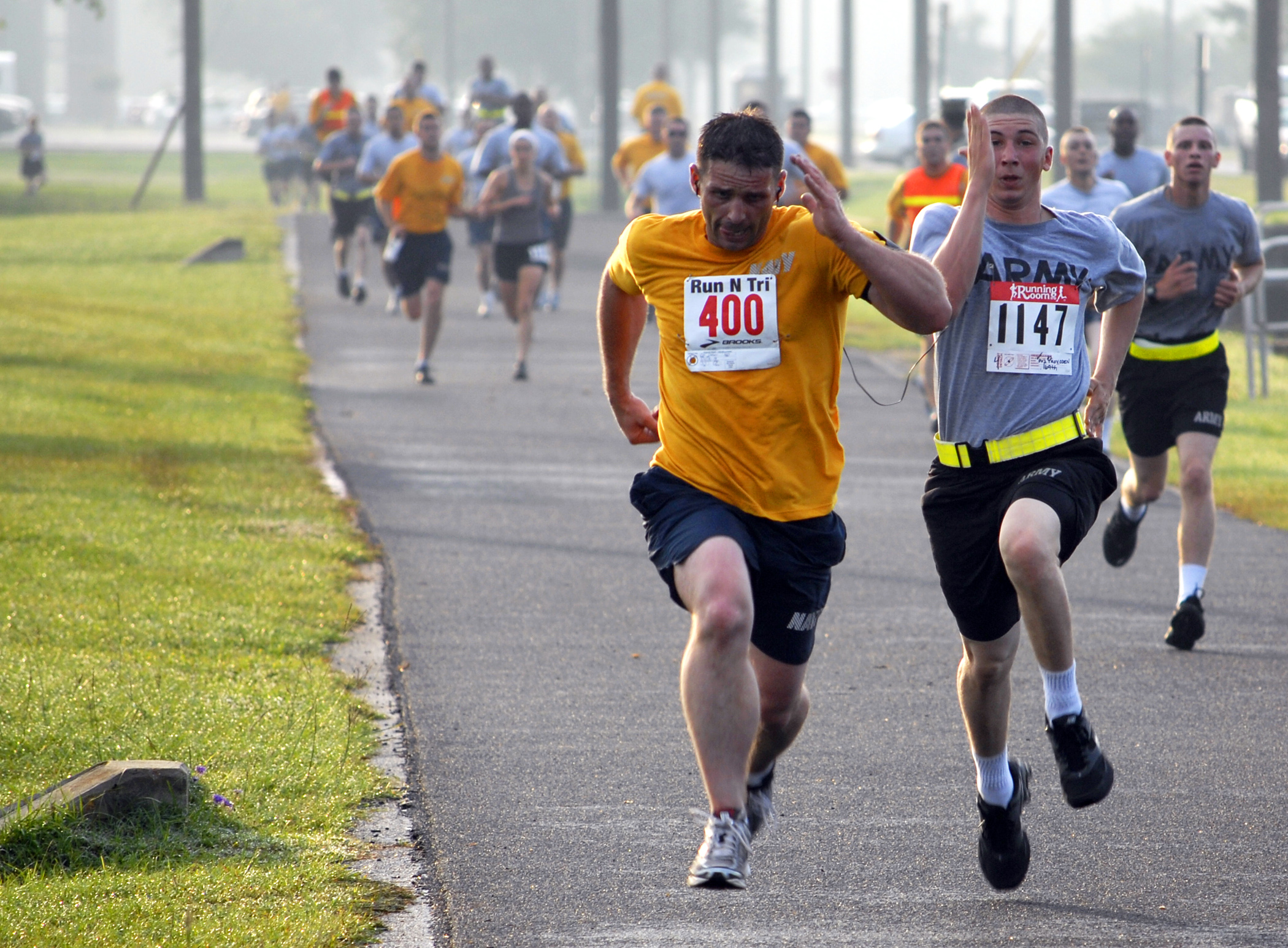
Training in athletes frequently involve repeated eccentric contractions and tissue vibrations that can lead to muscle damage (i.e., the disruption of structural proteins in muscle fibres and/or connective tissues), subsequent tissue inflammation, delayed onset muscle soreness (DOMS), and increased perceived fatigue. These conditions can lead to a temporary reduction in muscular force and an
Self-myofascial release using a foam roller or also called roller massage is quite popular nowadays among athletes and been recommended to patients by many health professionals. Rehabilitation professionals also often prescribe foam rolling as an intervention to augment other manual therapies or as a warm-up or recovery after athletic activity. A recent survey among allied
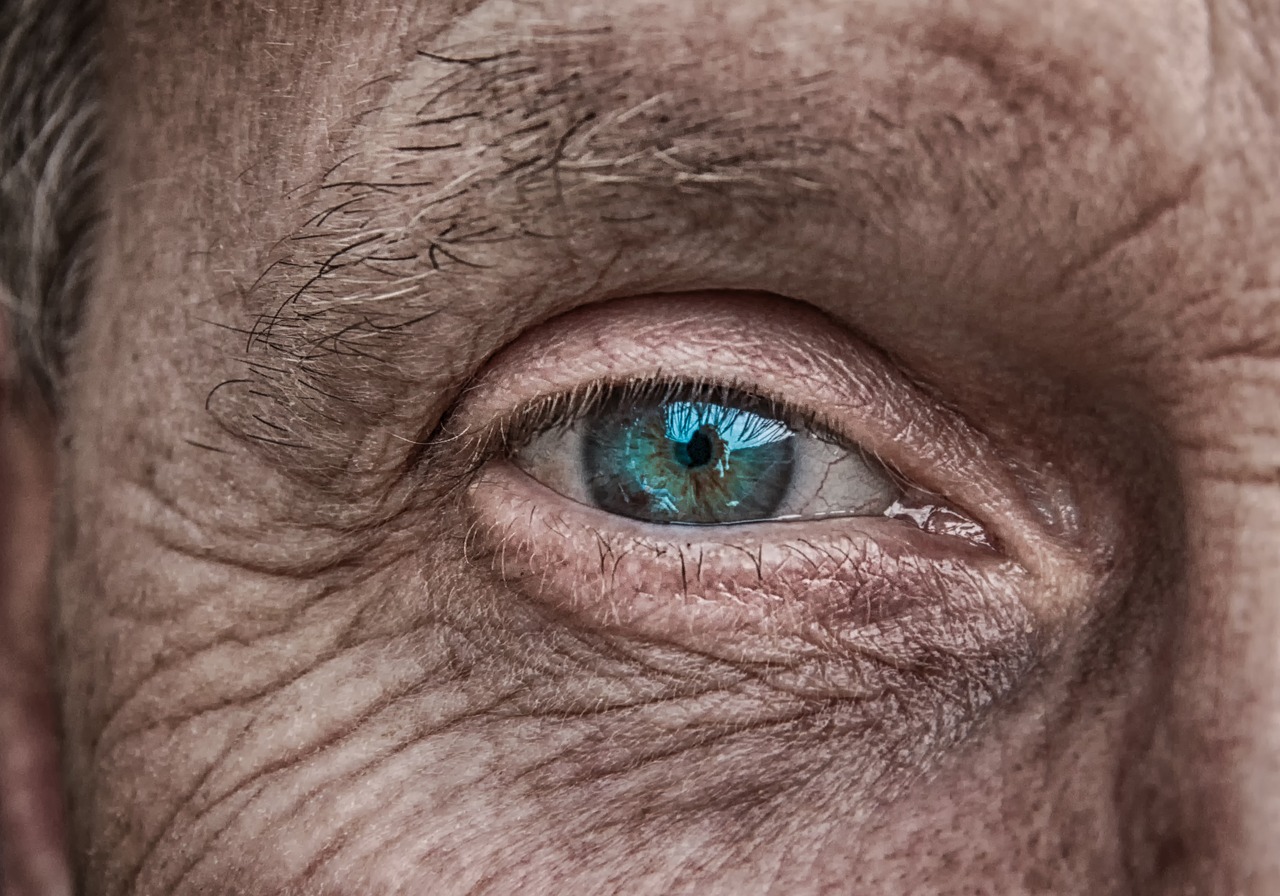
Human has always been looking for techniques that reduce facial wrinkles, and skin massaging or devices that can provide therapeutic effect has been invented and tested. Termed mechanobiology, it is a branch of biology that focuses on the mechanisms by which physical forces induce changes in cells or tissues, through mechano-transduction, that may contribute to