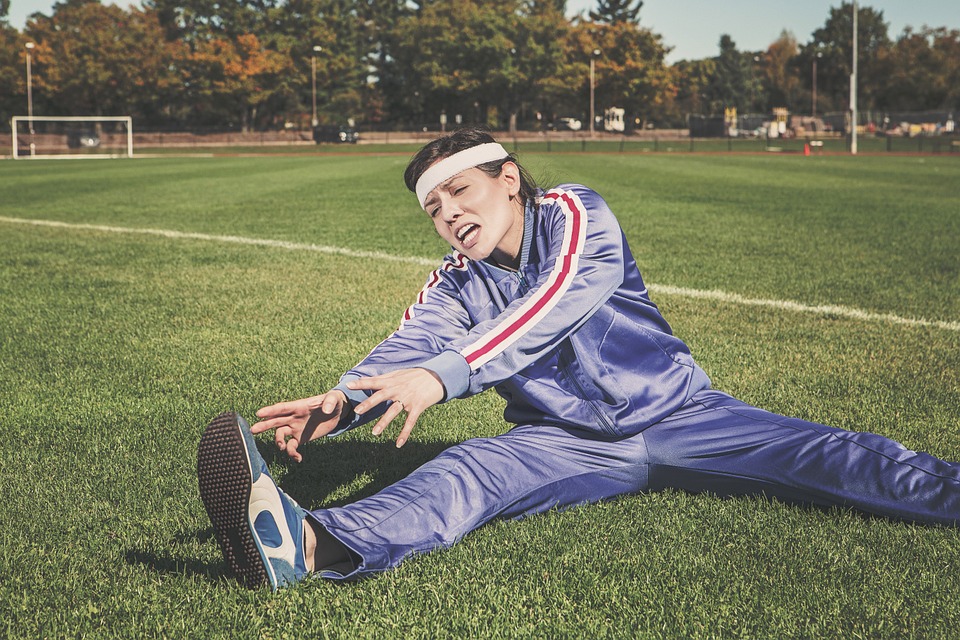
Static stretches when held for longer than 60 seconds can reduce muscle’s ability to produce force. Now a theory has been proposed that a neural mechanism can partly explain this reduction in muscle force. Effects of Static Stretching Static stretching has been commonly used as a pre-exercise routine. The main benefits include increase in range
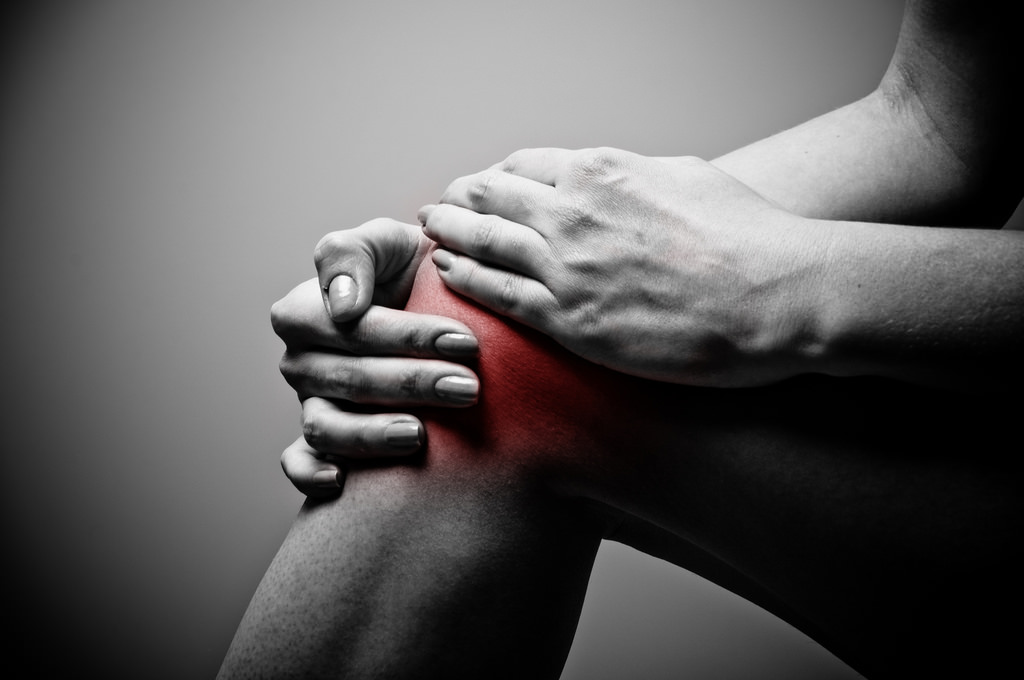
Patellofemoral pain (PFP) syndrome (aka chondromalacia patella or runner’s knee) is a common musculoskeletal condition that occurs in running and jumping athletes. It is generally found in people who have degenerative joint disease (osteoarthritis) of the articular surfaces of the patella and/or femur (underside of the patella and/or intercondylar groove of the femur), and It
There is a lot of controversy regarding the use of heat and cold for musculoskeletal injury rehabilitation. Within the world of heat, there is the further question as to whether the heat should be moist or dry. In an effort to answer some of these questions, this article summarizes some of the findings of Jerrold
Tension-type headache (TTH) is the most common type of headache and is often caused by tight and tender muscles of the neck and shoulder. It was found that individuals with musculoskeletal pain have a four-fold higher prevalence of headache, however those with neck pain are more prone to suffer from tension-type headache than those experiencing
Dr. Tasha Stanton informs us that when it come to the experience of pain, what is happening in your brain might be more important than what is happening out in your body. This blog article by Joe Muscolino is a summary of a lecture on pain neuroscience by Dr. Tasha Stanton, a physiotherapist from South
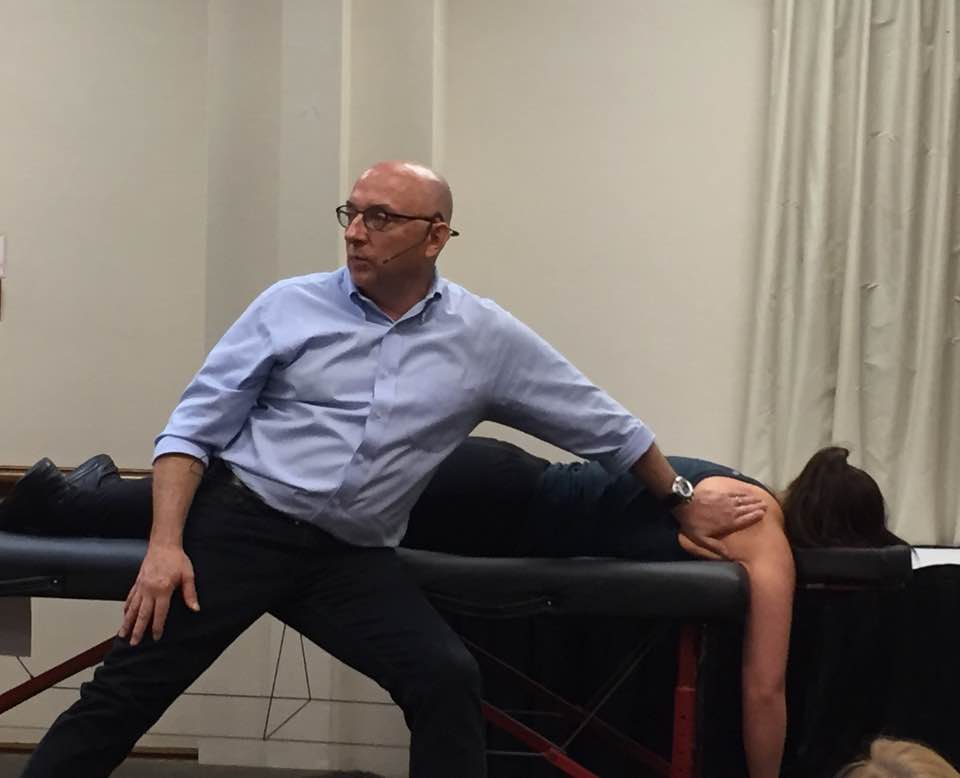
Walt candidly talked about how he began his Foundation of Myofascial Release seminar, challenging unproven narratives held dearly by many, as a heretic, and why “Because it works” is no longer be good enough. When and how did you decide to become a bodyworker? After a few false starts at university, I shifted my
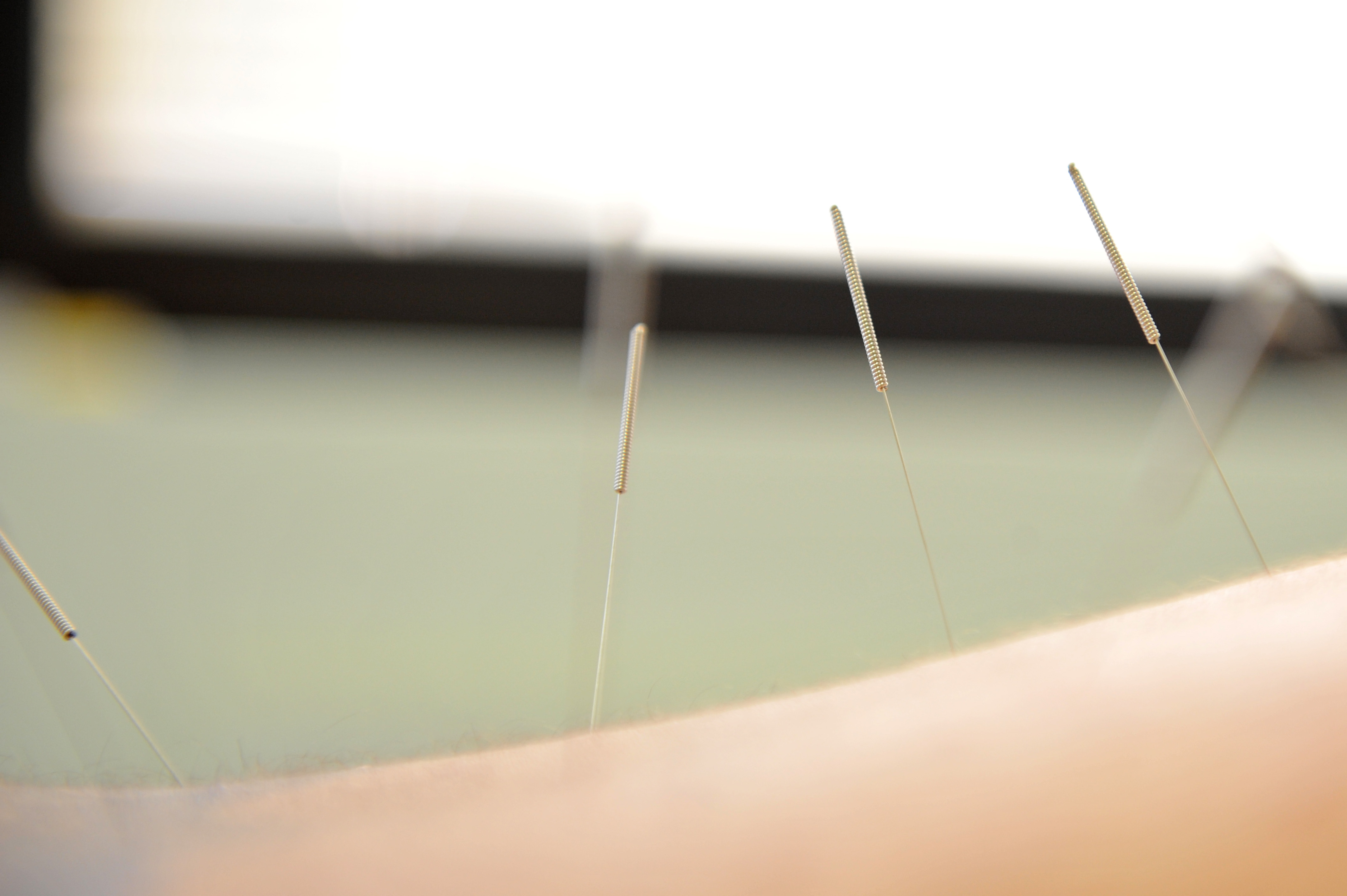
Acupuncture has been used for centuries and often produces improvement in chronic pain. However, it is based on abstract principles and the mechanism by which it works is still unclear. There is also controversy in that many people believe that acupuncture is merely a placebo effect. Now a study reported in the journal Brain tries
A study published in a highly-respected journal, Annals of Internal Medicine, demonstrated that yoga was as good as physical therapy for chronic lower back pain management in a diverse, predominantly low-income population. Studies show that yoga is effective for treating low back pain, however it is not clear how it compares with standard treatments for
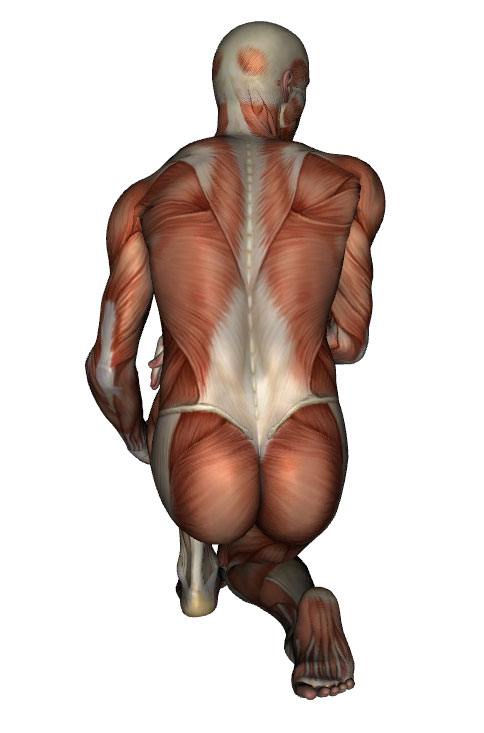
There is a hypothesis that fascia may play an important role in chronic low back pain. Following on a series of experiments, researchers have shown that fascial injury with resultant movement restriction caused loss of fascial mobility contralaterally (i.e., on the opposite side of the body from the injury). Now in a new study, researchers
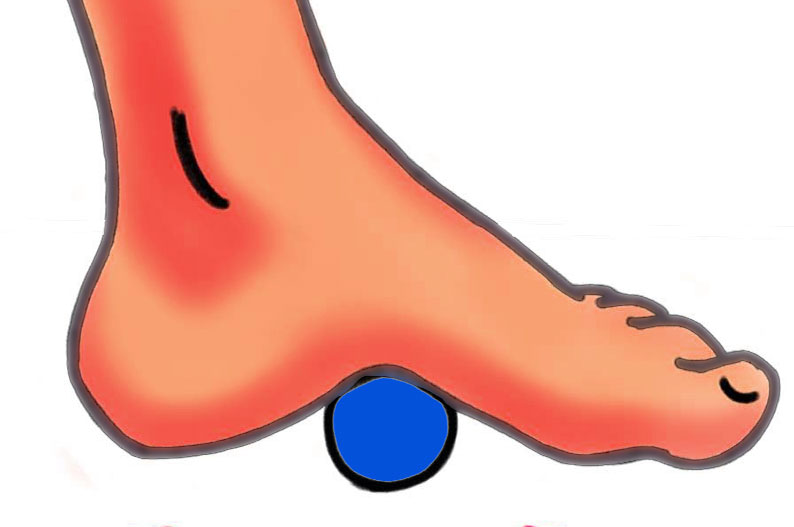
A study has demonstrated that unilateral foot rolling (using a roller) did not improve ROM of the ankle, hamstring flexibility, or low back ROM in the ipsilateral or contralateral limb. In addition, unilateral foot rolling also did not affect postural balance. This is in contrast with previous studies in which the quadriceps, hamstrings, and plantarflexors