While this is now well known in massage therapy, researchers from University of Milan, Italy, conducted a study aimed to assess the role of deep and superficial massage and passive stretching recovery on blood lactate concentration kinetics after a fatiguing exercise compared to active and passive recovery. Nine participants (age 23 ± 1 years; stature
Researchers from Ohio State University, Columbus, published a study that compared the effect of immediate versus delayed massage-like compressive loading on peak isometric torque recovery and inflammatory cell infiltration following an eccentric exercise. The experiment was performed on rabbits. Eighteen skeletally mature New Zealand White rabbits were instrumented with peroneal nerve cuffs for stimulation of
Skeletal muscle injuries are among the most common and frequently disabling injuries sustained by athletes. Repair of injured skeletal muscle is an area that continues to present a challenge for sports medicine clinicians and researchers due, in part, to complete muscle recovery being compromised by development of fibrosis leading to loss of function and susceptibility
Human beings are highly social creatures who often touch each other during social interactions. Although the physiologic effects of touch are not understood fully, it appears to sustain social bonds and to increase cooperative behaviors. Oxytocin is a hormone known to facilitate social bonding, and touch may affect oxytocin release. Previous studies seeking to relate
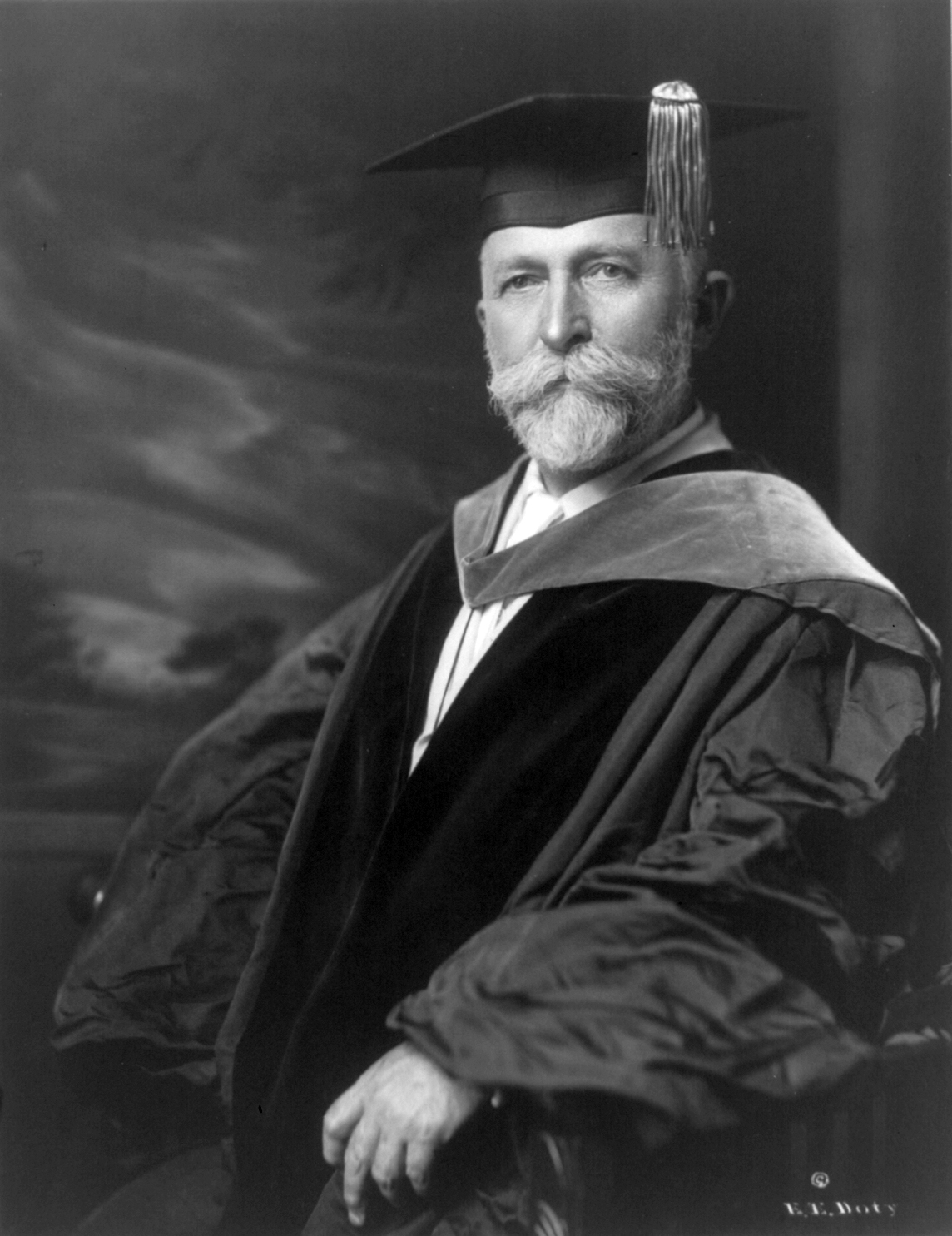
John Harvey Kellogg (1852-1943), best known for his corn flakes, was also involved in the world of health and was an advocate for massage therapy. He even wrote a book on massage, titled The Art of Massage. Kellogg was an American physician who pioneered the health food movement in the late 19th century. He was
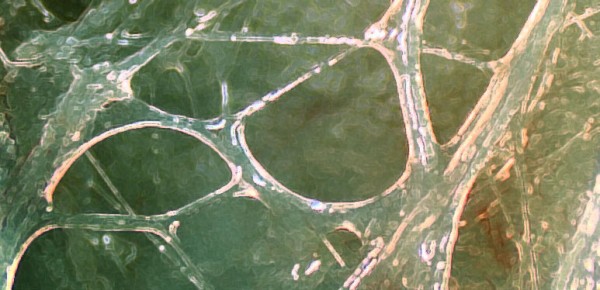
Manual treatment of the fascia involves several techniques, each aimed at allowing the various layers of the connective system to slide over each other, improving the responses of the afferents in case of dysfunction. However, before becoming acquainted with a method, one must be aware of the structure and function of the tissue that needs
A review paper from researchers at department of physiotherapy, University of Sydney examined the effectiveness of exercise and soft tissue massage either in isolation or in combination for the treatment of non-specific shoulder problems. “Nonspecific shoulder pain” refers to shoulder pain without a clear pathology or physical signs. The review was published in the British Journal of Sports Medicine.
Clinical observation suggests that hip abductor weakness is common in patients with low back pain (LBP). A study from University of Iowa published in European Journal of Spine compared the prevalence of hip abductor weakness in a clinical population with chronic non-specific LBP and a matched sample without LBP. One hundred fifty subjects with chronic non-specific
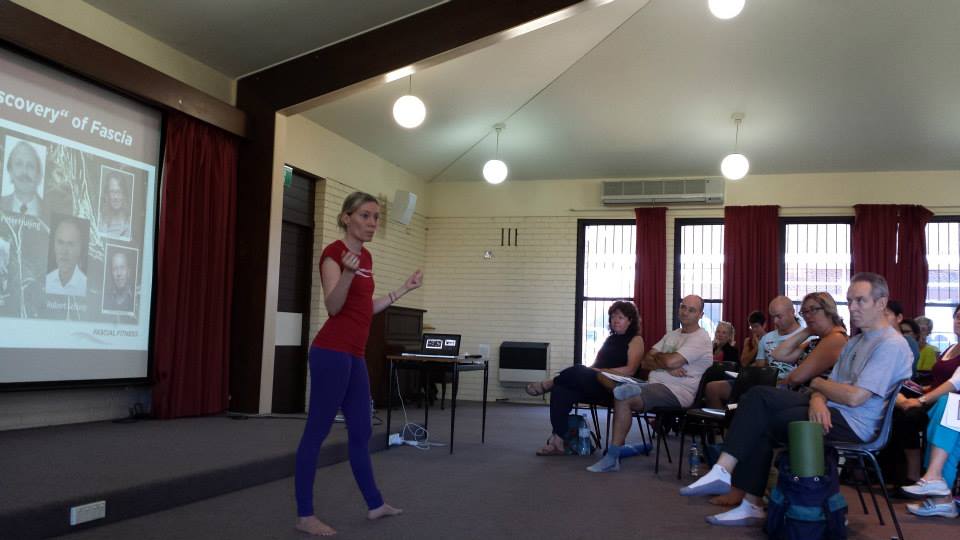
Fascial Fitness, the original connective tissue conditioning program, has been growing for several years. An ever increasing number of high profile sporting, fitness and therapeutic organizations are now using and incorporating the Fascial Fitness conditioning techniques into their assessment, movement and training regimes. Amongst these are the World Cup winning German Soccer Team and the