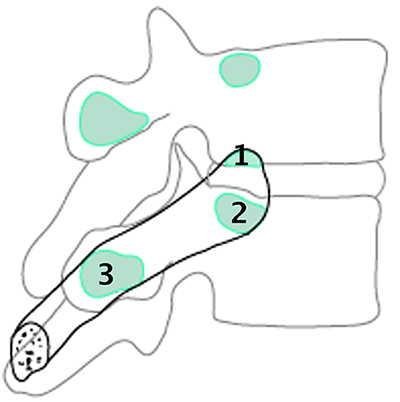
The Relationship Between Stress and Neck & Shoulder Pain by Anita Boser, LMP, CHP Stress and neck and shoulder tension are interrelated for most people. This article will explain why and show how massage therapists can not only relieve discomfort, but also help our clients be better prepared to handle tumultuous times with resilience. Stress
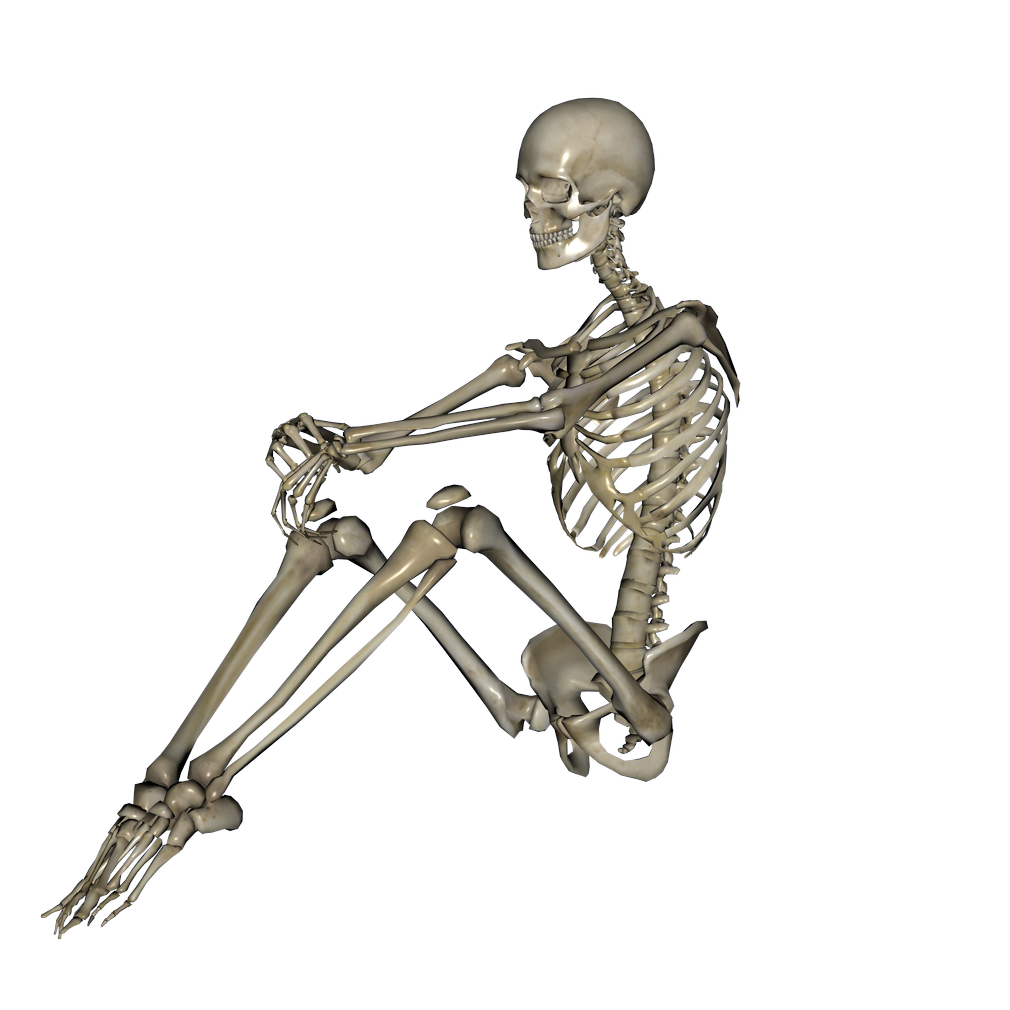
Move your C7 towards your jugular notch! For people with forward head posture, a difficult task for the therapist and the client is to train the client to correct for the wrong posture, move the head back to the neutral position. We usually ask the client to maintain a neutral spine, the head should be
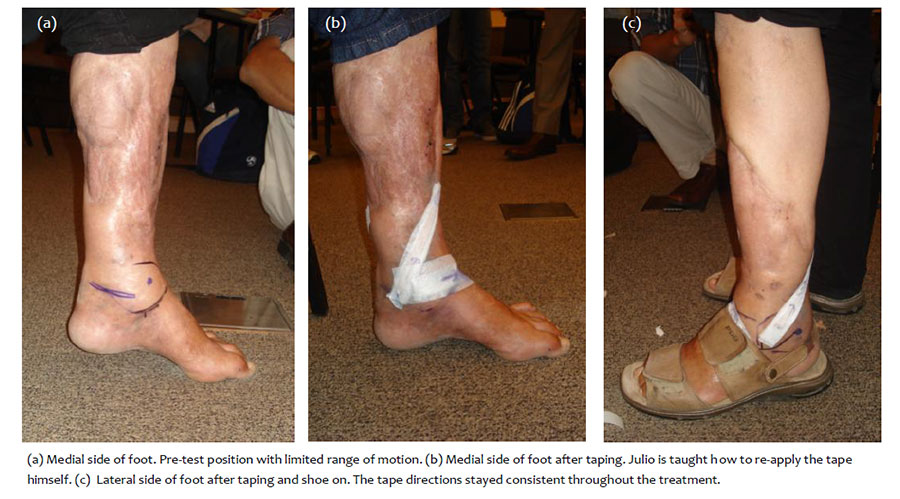
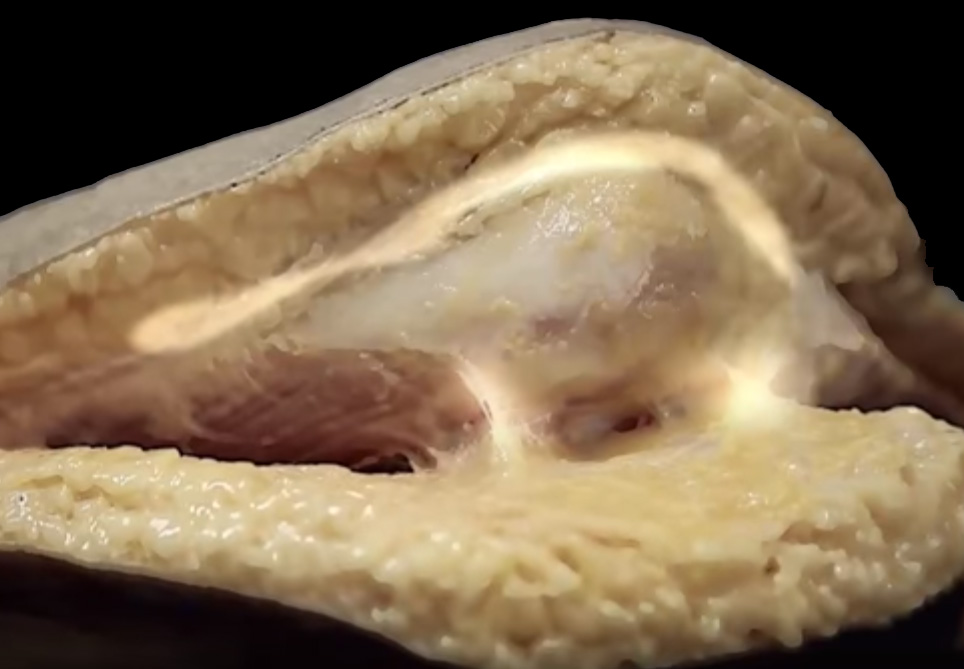
FFT Case Study: Exposed Leg Fractures, by Ron Alexander At the Functional Fascial taping (FFT) Workshop in Rio de Janerio, one of the participants, Julio Cesar, a Physiotherapist, suffered 5 exposed fractures as a result of being hit by a truck whilst riding a motorbike 21 years ago. After the accident he was placed in
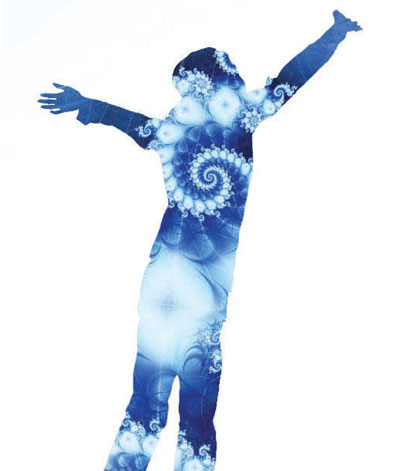
The shape of nature by Graham Scarr The natural world is full of shapes, from the smallest of crystals to the highest of mountains, and from simple molecular helixes to the complex spiralling of muscles and fascial sheets in the human body (Figure 1). Natural patterns and shapes have been generating wonder since at least
Introducing Biotensegrity as a model of Elastic Integrity in the moving body by Joanne Avison Everyone has a motion pattern that we could call a movement signature. Working in yoga, or any movement modality, a teacher naturally develops a more refined sense of people’s individual styles and movement expressions. Considering the fascial matrix as a dynamic,
Most bodywork and movement therapy instructed the client to perform movement which can facilitate simple patterns of activation and release. However, there are various bodywork and movement therapy that utilise the body’s own inherent movement for therapy and relieving pain. Usually, these therapies initiate unconscious or automatic movements in the client’s body. Here we listed
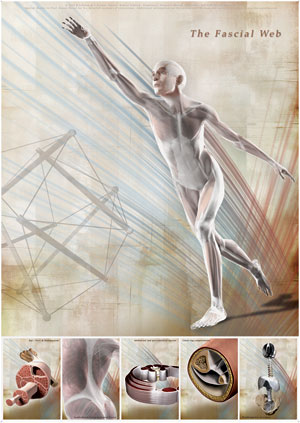
The Fascia Posters were produced by Robert Schleip in 2012. The project of illustrating fascia took more than 3 years to complete. The idea of illustrating fascia comes from the demand from bodyworkers who got tired of seeing the same muscular or skeletal posters hanging on their wall. There is also never an illustration of
When and how did you decide to become a bodyworker? I took my first training in neo-Reichian bodywork and massage at the tender age of 21 in 1982. That was the time when I was deeply searching for something real, authentic and meaningful and all the other options like going to university and study medicine didn’t seem
At the 2012 Fascia Research Congress in Vancouver, physiatrist, Dr. Antonio Stecco, and physiotherapist, Julie Ann Day are teaming up to present a full day, post-conference workshop entitled “Fascial Manipulation and its Biomechanical Model”. Furthermore, Dr. Carla Stecco, orthopaedic surgeon and anatomy researcher, is an invited keynote speaker as well as being part of the
Putting the Maximus Back into Gluteus Maximus By John Gibbons Manual therapists are what I call detectives: they possess some clues (patient’s history and symptoms), but they then have to take the patient through an elimination process (via a physical assessment) to hopefully find out and identify the actual underlying cause of the symptoms. The purpose