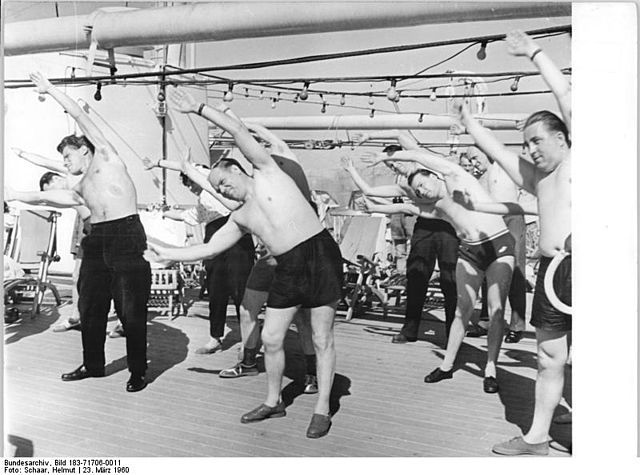
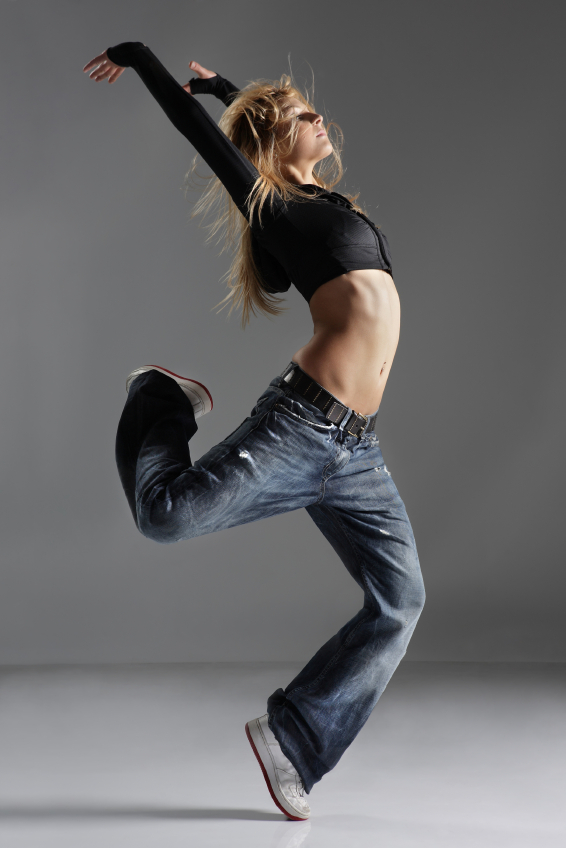
Photo By Bundesarchiv, Bild 183-71706-0011 / Schaar, Helmut / CC-BY-SA 3.0. Recently, there are many reports that claimed ‘‘static’’ stretching (holding a pose for anywhere from a few seconds to several minutes) temporarily reduces muscular power, weakens athletic performance and increases the risk of injury. Skeptics boldly claim that stretching is nothing more than a back
Neck pain is a common musculoskeletal problem condition in many parts of the world and is increasing both among the general population and within specific occupations (such as construction workers and office workers). It affects between 26% and 71% of the population at some point in their lives. Researchers from Spain (Muñoz-Muñoz et al) evaluated
A study published in Journal of Experimental Biology and the Journal of Biomechanics, May 2015, examined how the iliotibial band stores and releases elastic energy to make walking and running more efficient. “We found that the human IT band has the capacity to store 15 to 20 times more elastic energy per body mass than
There has been a great interest in barefoot running. Several athletes running in barefoot were epitomized, Abebe Bikila from Ethiopia ran barefoot and won a marathon gold medal in the 1960 Summer Olympics. (In the 1964 Olympics he won again, but wearing shoes). British runner Bruce Tulloh won the gold medal in the 1962 European
PNF or proprioceptive neuromuscular facilitation stretching is a popular technique used in conjunction with manual therapy. PNF can be regarded as a set of stretching techniques to enhance the range of motion. PNF uses the body’s proprioceptive system to facilitate or inhibit muscle contraction. To increase the ROM of target muscles, PNF involves a shortening contraction of
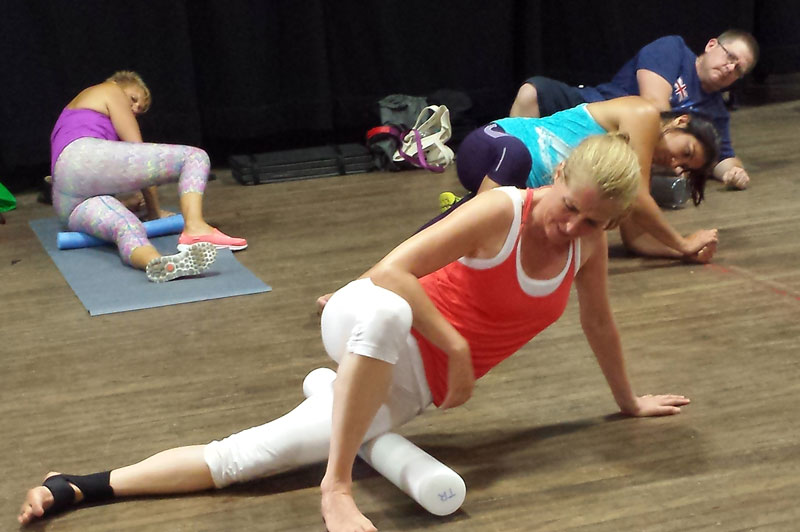
Self‐myofascial release (SMR) using either a foam roll or roller massager becomes quite popular in Sports and Bodywork. These tools are usually promoted to enhance recovery and performance. A recent review published in International Journal of Sports Physical Therapy attempt to evaluate the efficacy of these rollers on joint range of motion, muscle recovery, and performance. The
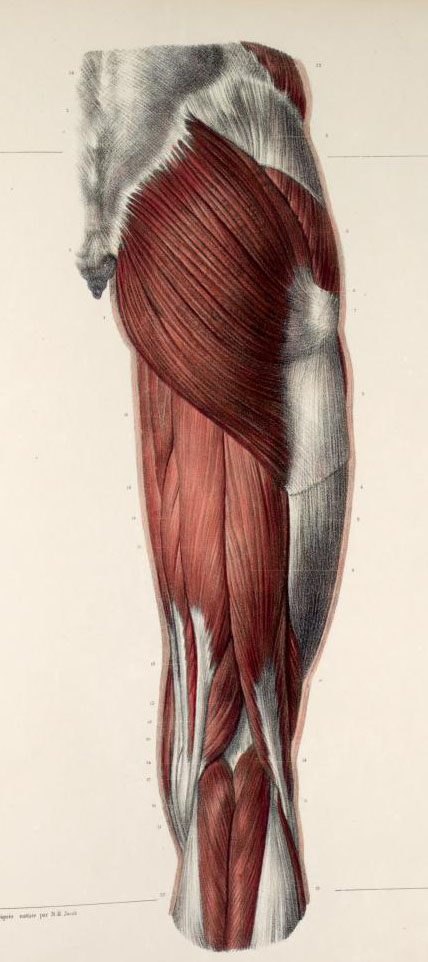
Gluteus Maximus (GM) is usually described as the largest muscle of the human body having various functions. Some studies have identified GM as having the largest capacity for external rotation of the hip thanks to its insertion into the linea aspera of the femoral bone. Others consider fibres from the more cranial sites of origin
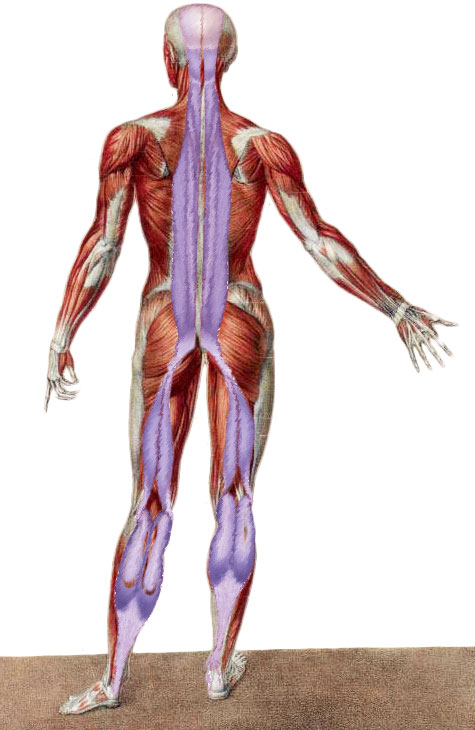
The Anatomy Trains Myofascial Meridians concept by Tom Myers is quite popular amongst bodyworkers and movement therapies, but there is no scientific evidence yet until recently. Jan Wilke and researchers from Goethe University in Frankfurt, Germany searched for the evidence on the existence of six myofascial meridians, as proposed by Tom Myers in 1997. They looked for relevant human anatomical dissection
Connective tissue is one of the four major classes of tissue (the others being epithelial, muscle and nerve tissue). As its name, it connects or binds cells and tissues, and regarded as the glue that holds the body parts together. Connective tissue maintains and supports the form of the body and its organs. Connective tissue has three
Fascial Fitness – Turning Exercise Upside down by Sol Petersen There is a change of view in personal training methods for elite athletes based around new research concerning the fascia and connective tissues that are an intimate and integral part of what we usually consider to be the ‘muscles’. The new fascial research is emphasizing