Meet the Telocytes: The Tiny Cells Connecting Fascia, Nerves and the Lymphatic System
New research reveals a previously unrecognised network of specialised cells within the human superficial fascia, offering fresh insights into how connective tissue may regulate fluid movement, tissue repair and communication between cells.
Fascia is much more than a layer of connective tissue holding the body together. It is a living, responsive tissue containing blood vessels, nerves, immune cells and a complex network of cellular connections. Now, researchers have identified another important component of this system: telocytes.
A new study by Mirko Manetti, Carla Stecco and colleagues, published in the International Journal of Molecular Sciences in October 2026, provides the first detailed evidence of telocytes in the human superficial fascia. Their findings suggest that these unusual cells may play important roles in tissue maintenance, lymphatic function and wound healing.
What Are Telocytes?
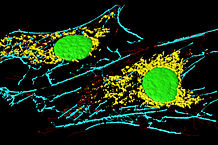
Telocytes are specialised connective tissue cells first formally described in 2010. Unlike typical fibroblasts, which are primarily associated with producing and maintaining the extracellular matrix, telocytes have small cell bodies with extremely long, thin extensions called telopodes.
These extensions can stretch between surrounding cells, creating intricate three-dimensional networks throughout connective tissues.
Telocytes have previously been identified in organs including the heart, lungs, intestines, skin and skeletal muscles. They are thought to participate in communication between different cell populations, helping coordinate tissue maintenance, repair and adaptation.
Until now, however, their presence in the human superficial fascia had not been comprehensively demonstrated.
A Hidden Network Beneath the Skin
The superficial fascia lies within the subcutaneous tissue, between the superficial and deeper layers of fat. It contains collagen, elastic fibres, blood vessels, nerves and lymphatic structures. It also helps the skin and underlying tissues move smoothly relative to one another.
The researchers examined superficial fascia samples collected from the abdominal region of three adults undergoing surgery. Using advanced microscopy and molecular staining techniques, they identified extensive networks of telocytes throughout both the fatty and fibrous portions of the fascia.
Importantly, these cells were not distributed randomly. They were frequently located around blood vessels, lymphatic vessels, mast cells and autonomic nerve fibres.
This strategic positioning suggests that telocytes may serve as connecting elements within the fascial environment, potentially coordinating activities between different tissues and cell types.
A Possible Connection to Lymphatic Drainage
One of the most intriguing discoveries was the close relationship between telocytes and the lymphatic system.
The researchers observed telocyte networks surrounding lymphatic capillaries and larger lymphatic pre-collecting vessels. Telocytes were also found near mast cells, immune cells involved in inflammation and tissue responses.
Previous animal research has suggested that telocytes may detect changes in tissue fluid pressure and communicate with mast cells, helping regulate lymphatic pumping and fluid clearance.
The new findings raise the possibility that a similar mechanism operates in human superficial fascia.
If confirmed, this could help explain how connective tissues contribute to maintaining fluid balance and why disruption of their cellular networks might be involved in swelling, tissue congestion or lymphoedema.
However, the present study demonstrated anatomical relationships rather than actual lymphatic activity. Whether telocytes perform this function in human fascia remains to be established.
Fascia, Nerves and Tissue Regulation
Another important finding was the proximity of telocytes to sympathetic nerve fibres, particularly around small blood vessels.
The sympathetic nervous system helps regulate blood vessel diameter, temperature responses and other automatic physiological functions.
The arrangement of telocytes alongside these nerve fibres suggests a possible role in coordinating vascular and nervous system responses within fascia.
This could eventually contribute to our understanding of how connective tissue responds to temperature, mechanical loading and physiological stress.
The researchers also discovered that certain telocytes expressed LGR5, a molecular marker associated with stem cell environments. This raises the possibility that telocytes help support local progenitor cells involved in tissue renewal and healing.
Such a role would be particularly interesting because superficial fascia is increasingly recognised as a source of cells and extracellular matrix involved in wound repair.
What Does This Mean for Manual Therapists?
For massage therapists, myofascial therapists, physiotherapists and lymphatic drainage practitioners, this research adds another dimension to our understanding of fascia.
Rather than viewing fascia simply as collagen fibres that stretch, slide or become restricted, we can increasingly recognise it as a complex cellular environment where mechanical, vascular, nervous and immune systems interact.
Several implications are worth considering.
1. Fascia is a communication network. Telocytes form extensive cellular connections throughout the tissue, potentially helping neighbouring cells coordinate their activities.
2. Fascial health may be closely connected to fluid regulation. The relationship between telocytes, lymphatic vessels and mast cells suggests possible mechanisms linking the fascial environment with interstitial fluid balance.
3. Mechanical forces may influence more than collagen fibres. Telocytes have been implicated in responses to mechanical stimulation in other tissues. Whether manual therapy affects their activity in superficial fascia remains an interesting unanswered question.
4. Tissue repair involves complex cellular cooperation. The association of telocytes with blood vessels and stem-cell-related markers suggests a possible role in organising tissue regeneration and extracellular matrix remodelling.
5. Fascial dysfunction may involve changes at the cellular level. Researchers have proposed that disruption or loss of telocyte networks, sometimes called telocytopathy, could contribute to fibrosis and impaired tissue regulation. This remains a hypothesis for superficial fascia.
Could Manual Therapy Influence Telocytes?
Perhaps the most interesting question for therapists is whether mechanical interventions, such as massage, myofascial release or manual lymphatic drainage, can influence these cellular networks.
Since telocytes may participate in mechanosensing and cellular communication, it is reasonable to investigate whether mechanical stimulation affects their organisation or function.
The researchers specifically identify physical therapy and manual interventions as potential areas for future research.
However, there is currently no direct evidence from this study that manual therapy activates telocytes, improves their function or changes lymphatic drainage through these cells.
The study was anatomical rather than clinical. It examined tissues from only three donors and did not test treatment interventions or measure physiological responses.
The findings therefore provide a biological foundation for future investigations, not evidence for a particular therapeutic technique.
A New Chapter in Fascia Research
For many years, fascia was viewed largely as structural material surrounding muscles and organs. Research has gradually revealed a far more sophisticated tissue involved in force transmission, sensory function, immune responses and tissue adaptation.
The discovery of extensive telocyte networks in human superficial fascia adds another piece to this emerging picture.
These cells may eventually help explain how fascia coordinates communication between blood vessels, lymphatics, nerves and surrounding connective tissues. Their potential involvement in tissue repair and fluid homeostasis could also open new directions for investigating conditions such as lymphoedema, fibrosis and impaired wound healing.
For therapists, the message is simple: the tissue beneath our hands is far more biologically complex than its mechanical properties alone suggest.
Understanding the cellular organisation of fascia may ultimately help bridge the gap between anatomy, tissue biology and clinical practice.
Reference
Manetti, M., Petrelli, L., Tani, A., Tiengo, C., Rosa, I., & Stecco, C. (2026). Unveiling Telocyte Networks in the Human Superficial Fascia: A New Component of the Hypodermal Interstitial Microenvironment. International Journal of Molecular Sciences, 27(20), 9331.
Myofascial Pain Is More Than a Trigger Point

Moist Heat or Dry Heat or Cold Treatment for DOMS?
Understanding Fibroblasts in Order to Comprehend Manual Treatment of the Fascia
About The Author
