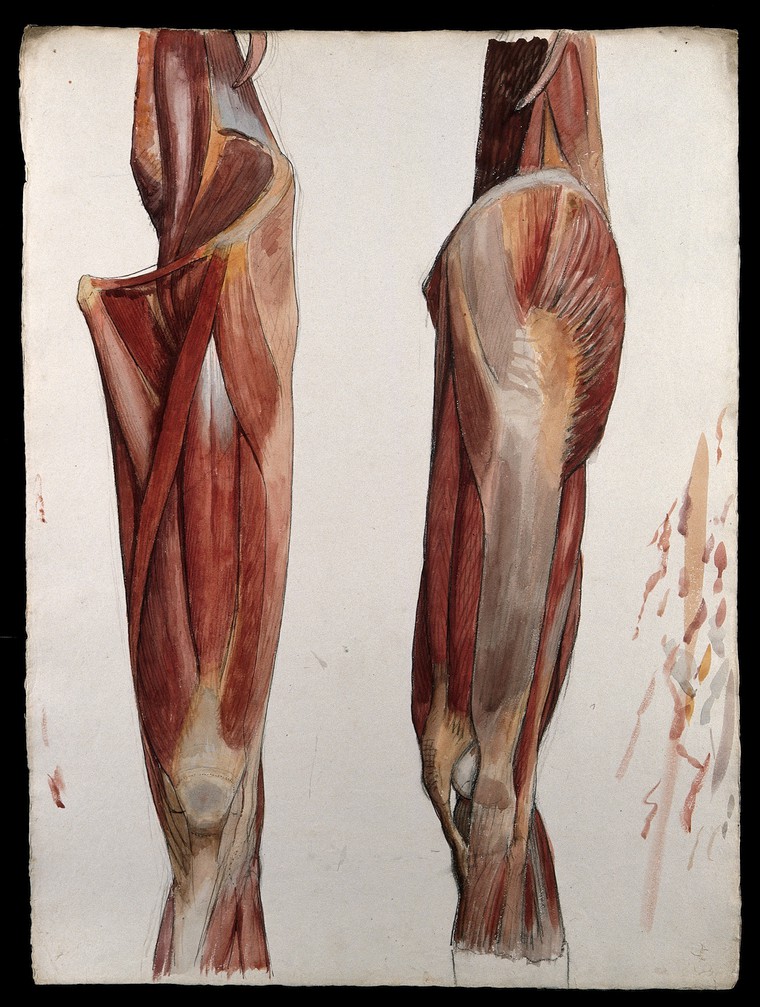
A study by Jelsing et al. (2013) examined whether the ITB moves relative to the lateral femoral epicondyle (LFE) as a function of knee flexion in both non–weight-bearing and weight-bearing positions in asymptomatic recreational runners. Evaluation using ultrasound on the ITBs of 20 male and female asymptomatic recreational runners clearly showed an anteroposterior motion of the
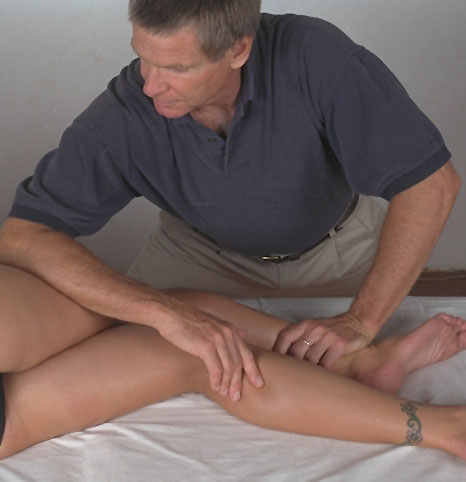
The Ober test is the most commonly recommended physical examination tool for assessment of ITB tightness. A study by Willet et al. (2016) questioned the validity of the Ober test. The authors evaluated the effects of progressive transection of the ITB, gluteus medius and minimus (med/min) muscles, and hip joint capsule of lightly embalmed cadavers on
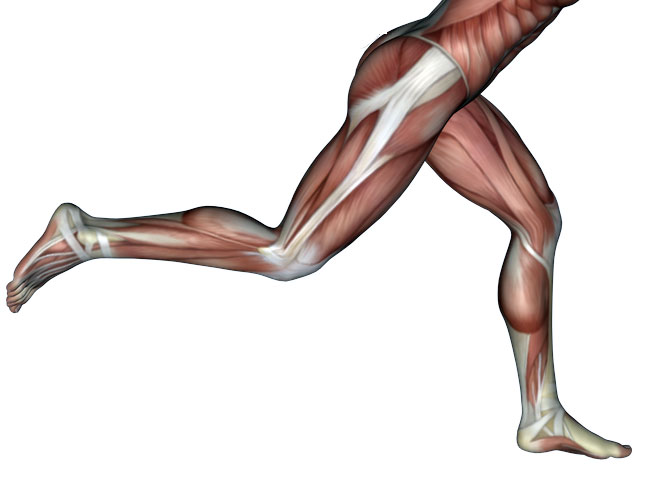
ITB can only found in homo sapiens, and it has been hypothesised that ITB allows us to stand upright. A study from Harvard published in May 2015, examined how the ITB stores and releases elastic energy to make walking and running more efficient. The researchers developed a computer model to estimate how much it stretched ―
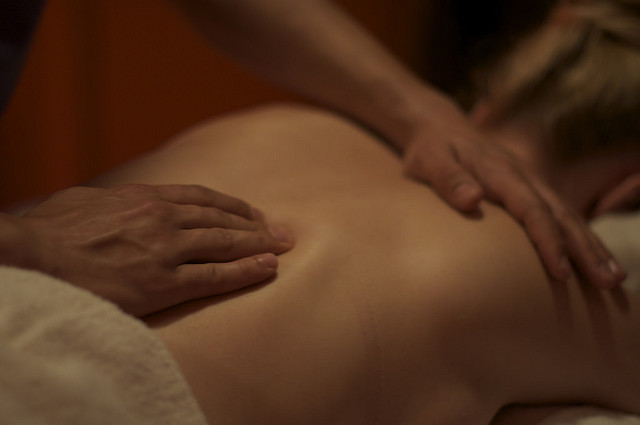
Integrating new techniques into your practice by Art Riggs I’m noticing an interesting conflict in the massage profession. On one side, continuing education credit requirements and the desire of therapists to expand and excel in their skills have greatly expanded the number and quality of advanced workshops. On the other side, the proliferation of spa
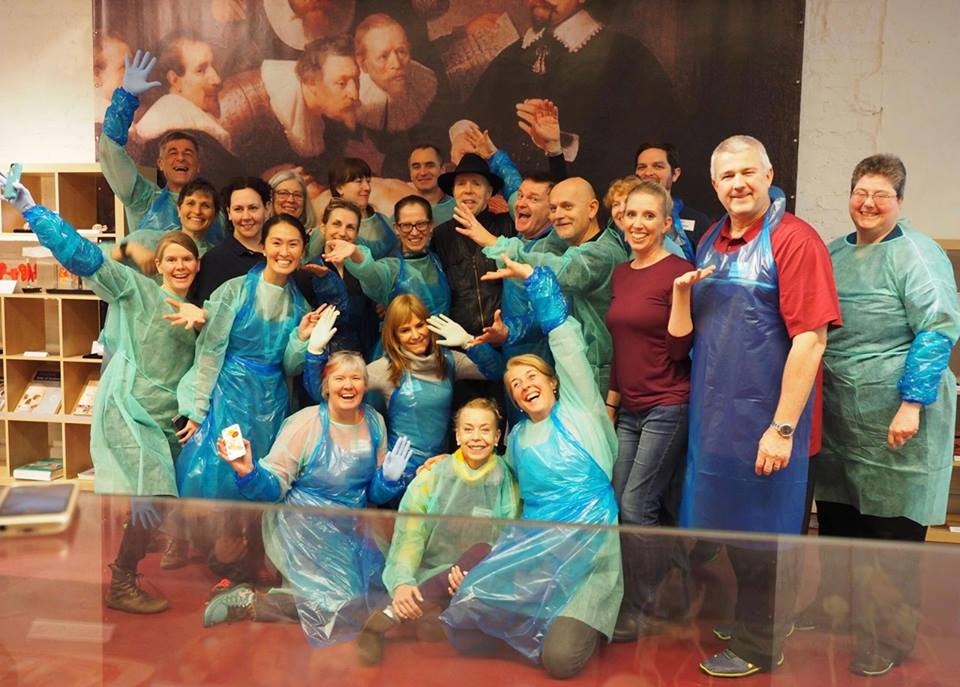
Fascial Net Plastination Project – January, 2018 by FRANCESCA PHILIP There aren’t many reasons to visit Guben, Germany. With a population of only 1800, the town boasts little in the way of tourist attractions. In winter, the temperature rarely reaches positive digits, the streets are slick with ice, and the dark settles in hours earlier
The points and clarifications made both in the original article as well as Til Luchau‘s thoughtful comments are moving the conversation on emotional response during a manual therapy session in the right direction. This sort of factual and science-informed exploration of emotional expression in the therapeutic environment needs to be encouraged within the professional dialogue
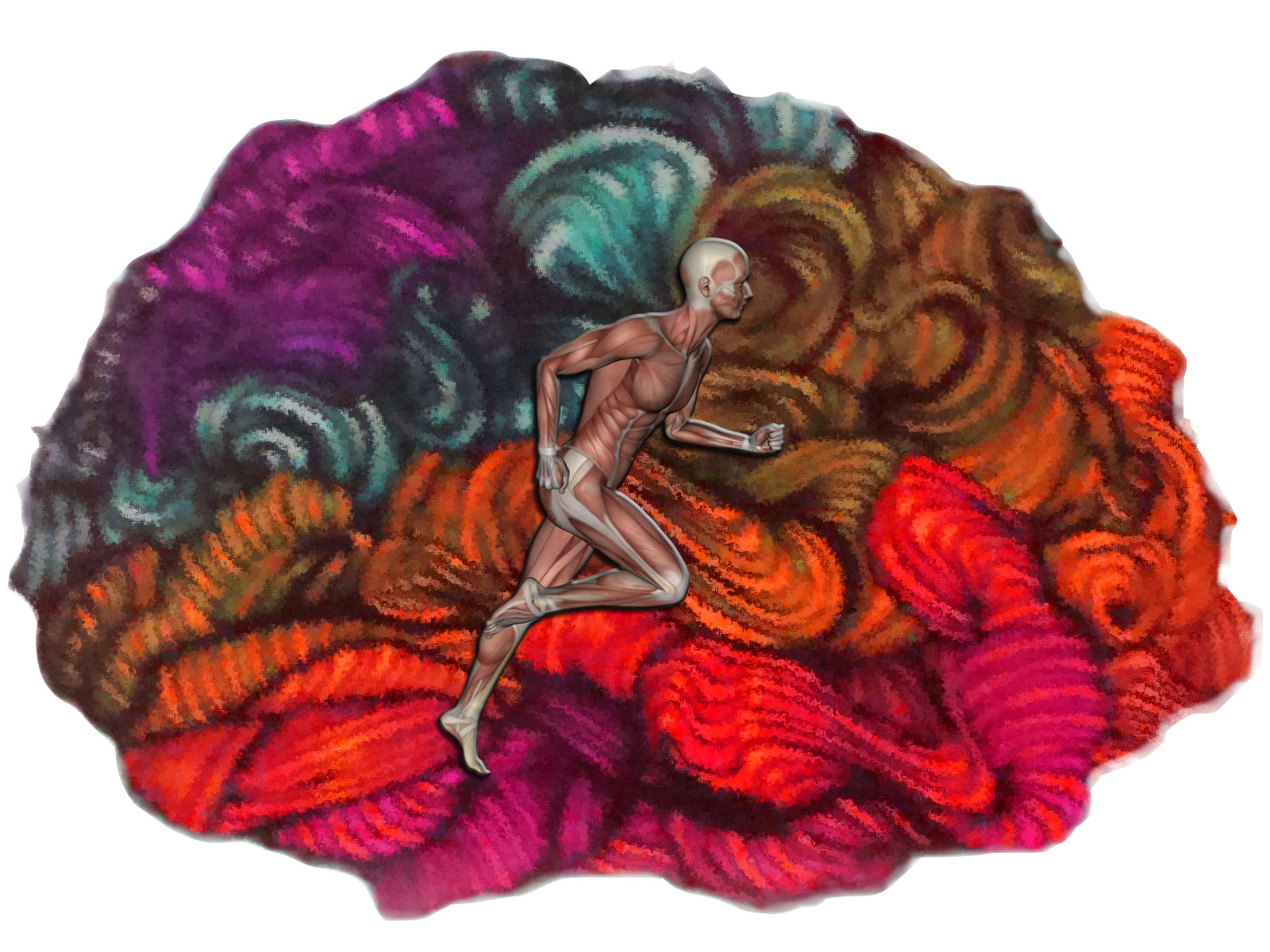
There are many explanatory models for memories and emotions that sometimes surface during hands-on work. The (now somewhat quaint) Reichian explanation was that since we tend to contract our musculature and hold our breath against the expression and experience of unpleasant emotions, over time, this immobilization would “armor” the body into a chronically immobile and unfeeling
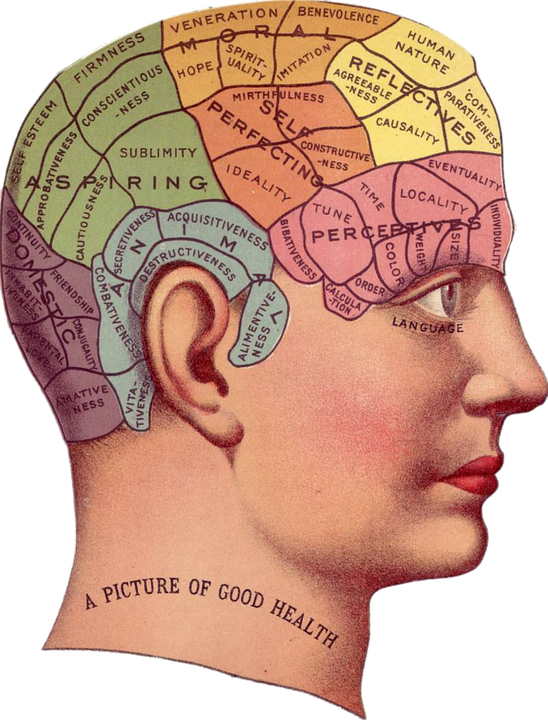
One of our previous blog post articles discussed whether fascia or musculature holds somatic memories of the body. This topic is important because many manual therapists have experienced that when they touch on a particular area of the client’s body during a therapeutic session, it provokes memories or traumatic events from the client’s life. Many
Understanding The Placebo Effect by Brian Fulton RMT Some therapists shudder at the mention of the term placebo effect, others are curious as to what it might be, still others embrace the concept. Where do you lie on this spectrum? Sticking one’s head in the sand and denying that it exists in your treatments is
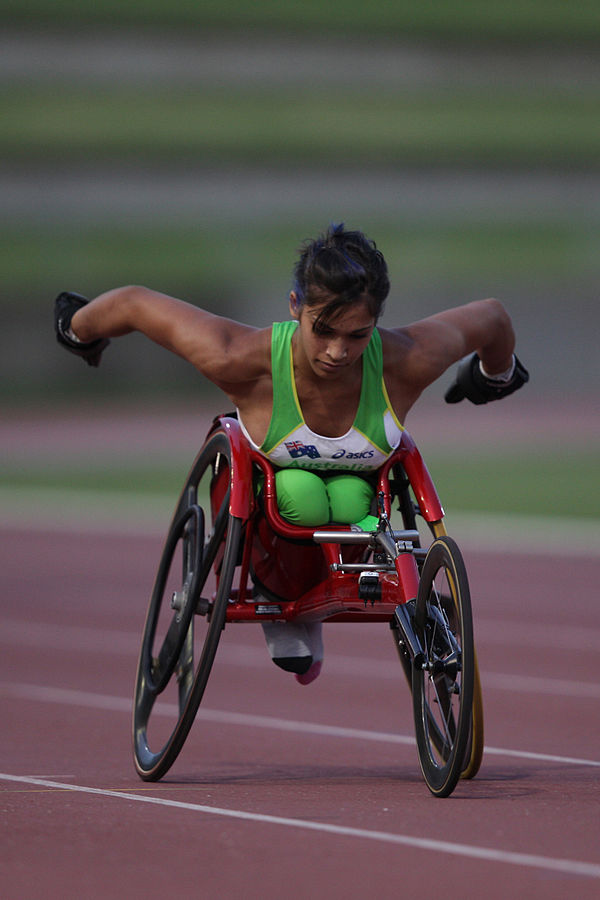
In the past 20 years, the number of disabled athletes, in other words, para-athletes, competing at elite levels has increased, as witnessed by the number of participants at the 2016 Rio Summer Paralympics (4328) compared to the number at the 1996 Summer Paralympics in Atlanta (3255). Para-athletes also have higher incidence and prevalence of injures