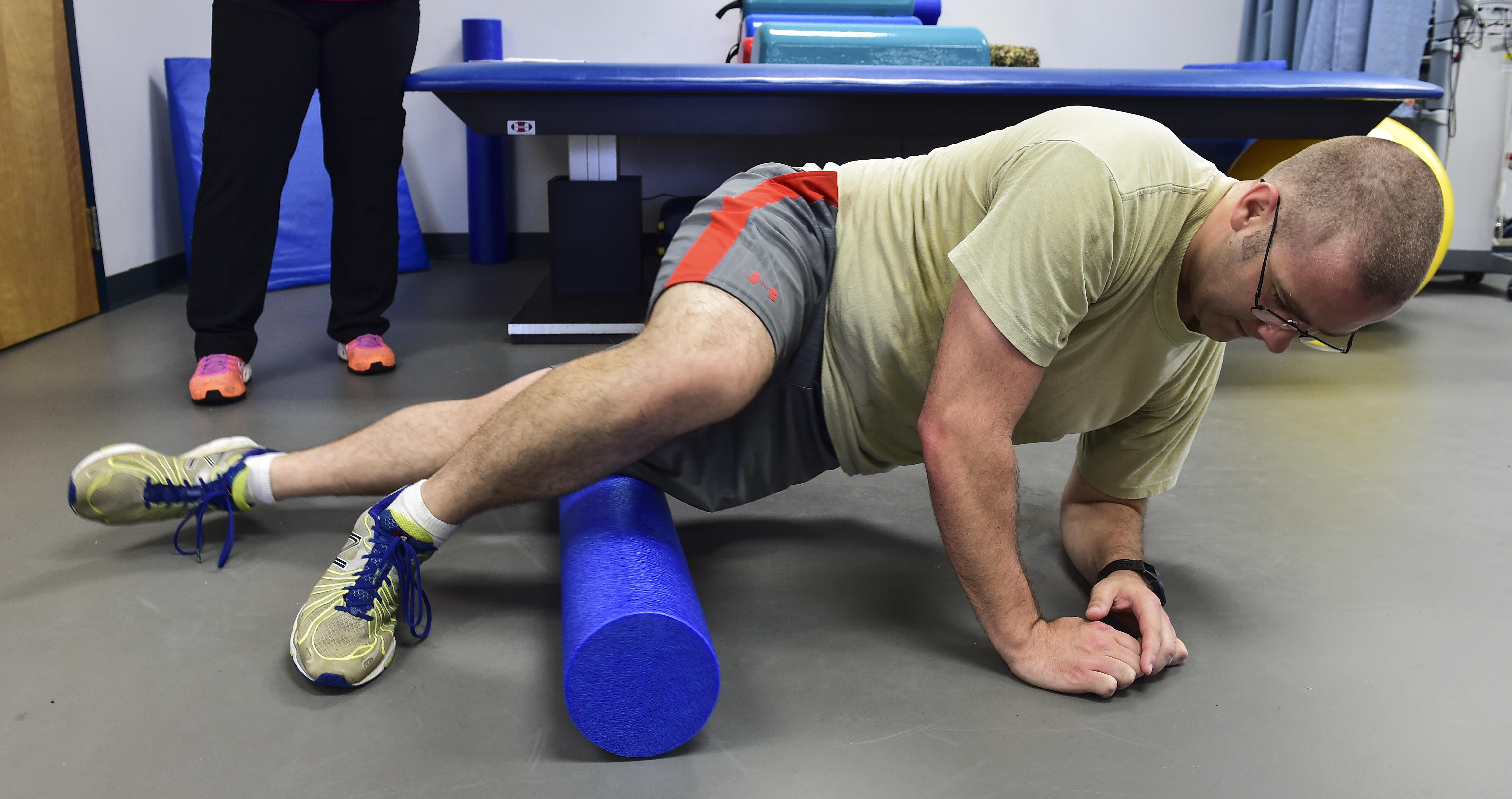
Foam rolling as a form of self-massage has been shown to increase range of motion and decrease pain pressure threshold. However, it is unclear whether the roller-induced increases can be attributed to changes in neural responses or muscle responses. A study from Canada was conducted to evaluate the effect on spinal excitability of altered sensory
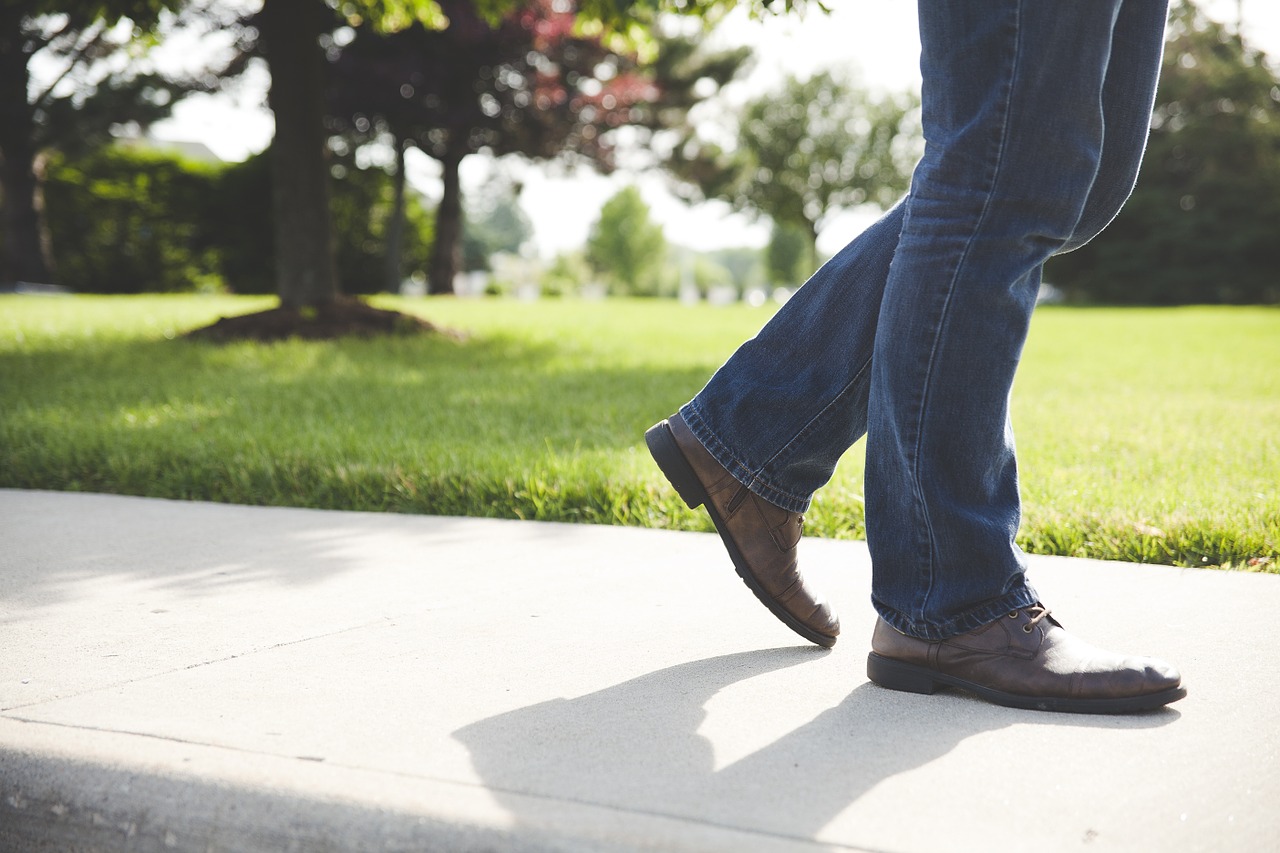
Walking is commonly recommended to relieve pain and improve function in patients with chronic lower back pain. A systematic review by Italian researchers addressed the effectiveness of walking interventions by looking into published randomized controlled trials which compared walking to other physical activity exercises to reduce pain, disability, and fear-avoidance, as well as increase
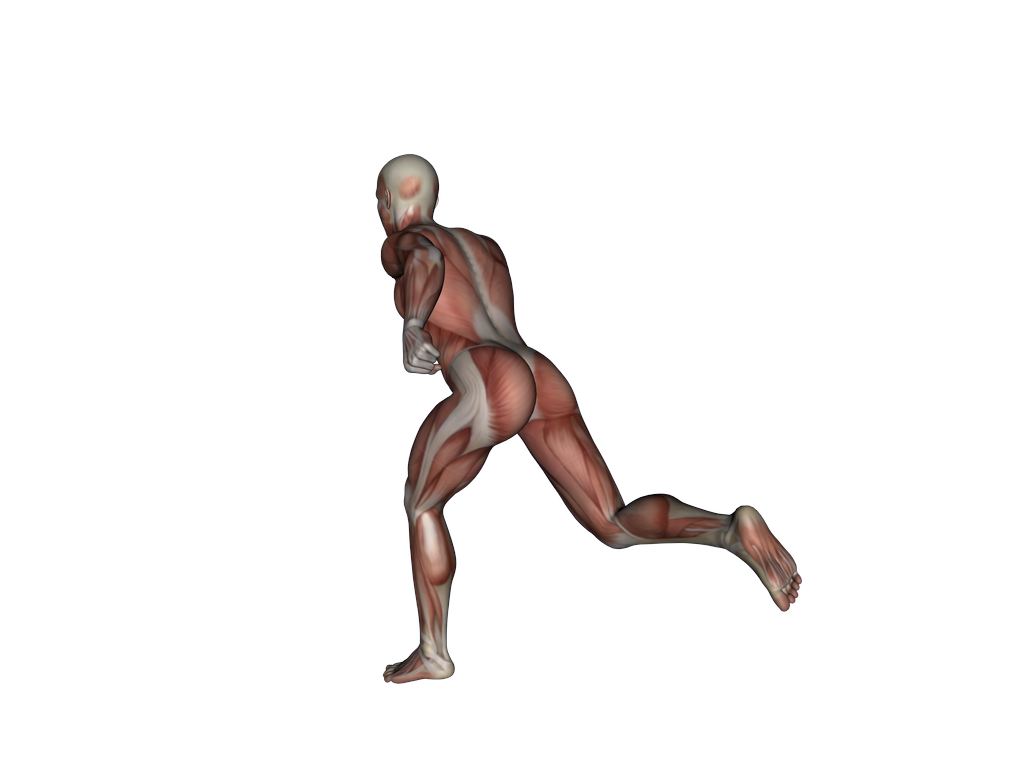
Shin splints is one of the most common causes of leg pain in runners. The most common cause for shin splints is repetitive running on hard surfaces. Although not all of the mechanisms and risk factors for shin splints are clear, the symptoms could be related to the stress response of the fascia and periosteum
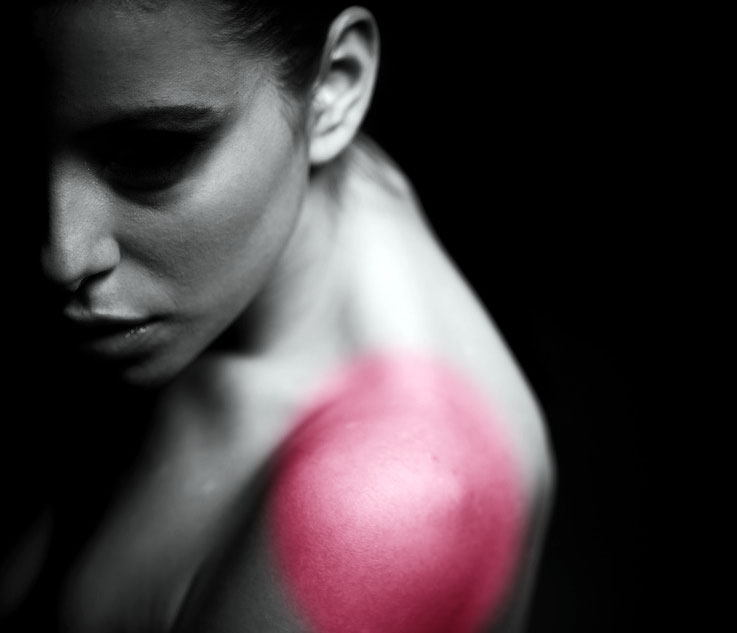
Shoulder pain is highly prevalent in racket and overhead sports athletes, as they require a high-energy transfer through the shoulder at rapid speeds through large ranges of motion. The prevalence of shoulder pain has been estimated at 12% in amateur golf, 24% in high-level adolescent tennis, and 50% in middle-aged tennis players. Even higher is
Many manual therapists in their practice have experienced a phenomenon wherein when they touch on a particular area of the clients’ body during a therapeutic session, it provokes memories or traumatic events from the client’s life. This feeling is also accompanied by what is often described as an emotional release. Paolo Tozzi, an Italian osteopath,
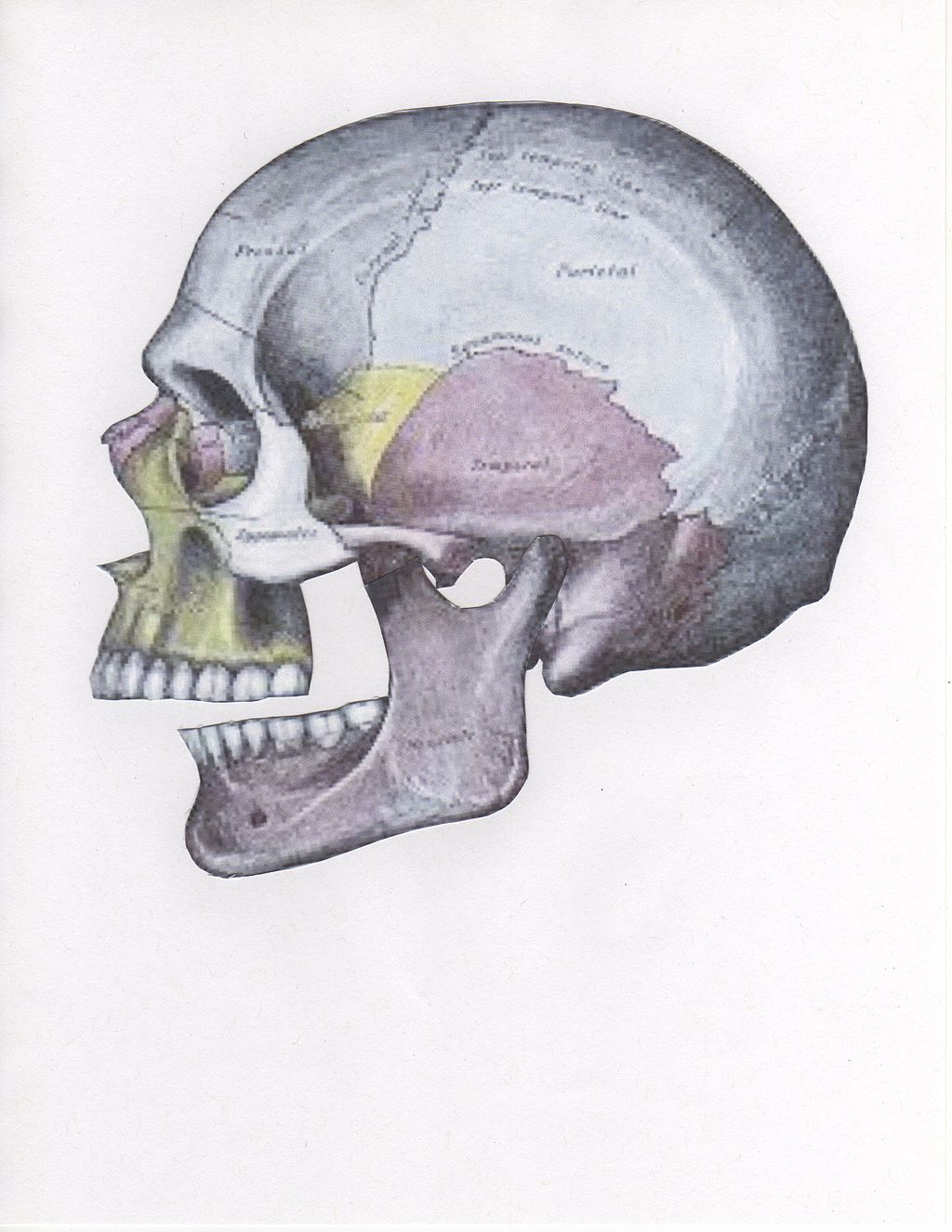
A study from Brazil finds that the more frequent that someone experiences migraine attacks, the more likely that the person will have temporomandibular joint (TMJ) disorder. The results were published in the Journal of Manipulative and Physiological Therapeutics. The temporomandibular joint (TMJ) acts like a sliding hinge connecting the jawbone to the skull (mandible to
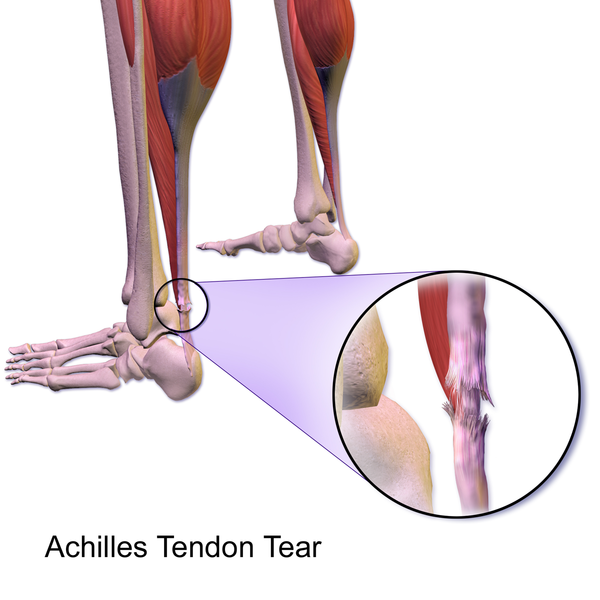
The Achilles tendon is the largest tendon in the human body, it consists of sub-tendons from 3 muscles/muscles bellies of the triceps surae group (soleus, lateral gastrocnemius, medial gastrocnemius). These sub-tendons together form the tendinous part of the Achilles tendon and twist as they descend into the distal attachment (insertion) at the calcaneal bone. The
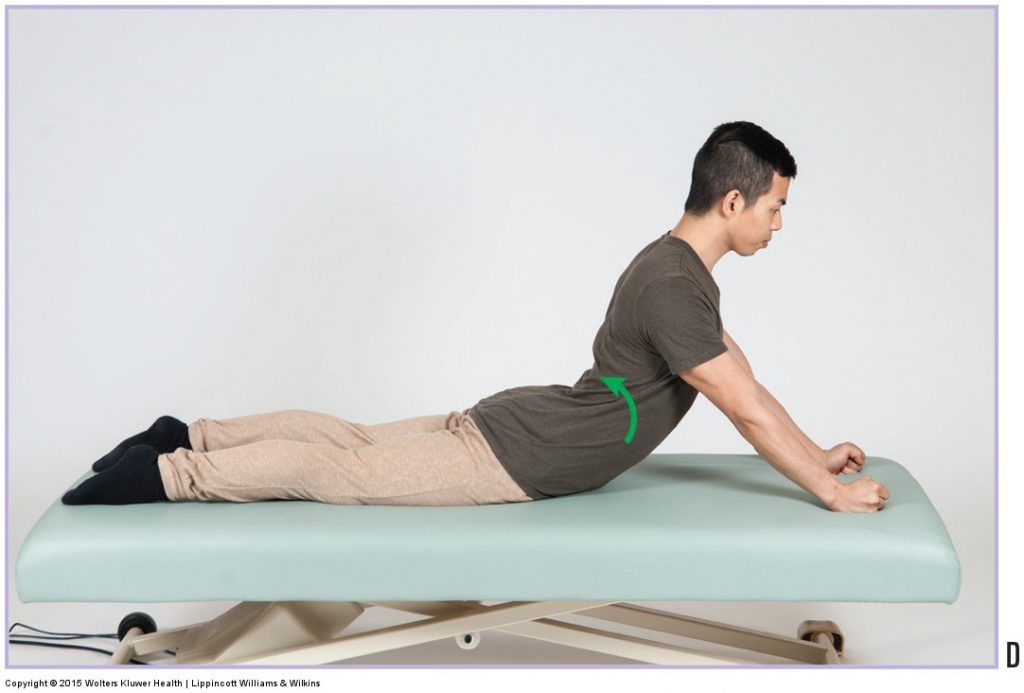
The McKenzie extension (backward bending) exercises have been proposed to relieve low back pain. The extension exercises reduce intradiscal pressure by shifting the compression weight-bearing load of the body posteriorly away from the discs and onto the facet (zygapophyseal) joints. Back Extension – Permission Joseph E. Muscolino The extension is hypothesized to enhance/promote
Neuromuscular fatigue following an exercise or training session can impair sports performance and increased injury risk in athletes. Self-myofascial release, an umbrella term for tissue-assisted self-treatment, using a foam roll, has been widely used and promoted to reduce muscle soreness after exercise. The mechanisms of foam rolling are still unknown, although research has started to
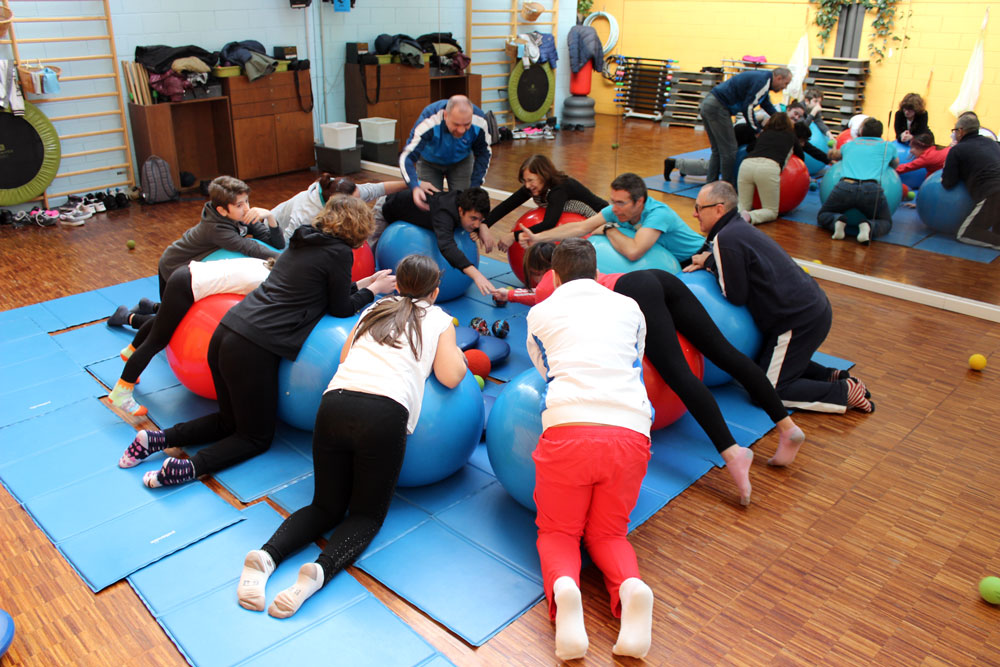
Proprioceptive Equilibrium Coordination (PEC) and Autism. “Diverti(rsi) … Tempo” The assumption is that if the kids just had fun, it would fill them with joy thus having achieved the purpose of the project. by Maurizio Ronchi *, in collaboration with Elisa Volontè ** and Federico Polimene ***, * Maurizio Ronchi, Bodyworker sports and medical staff